


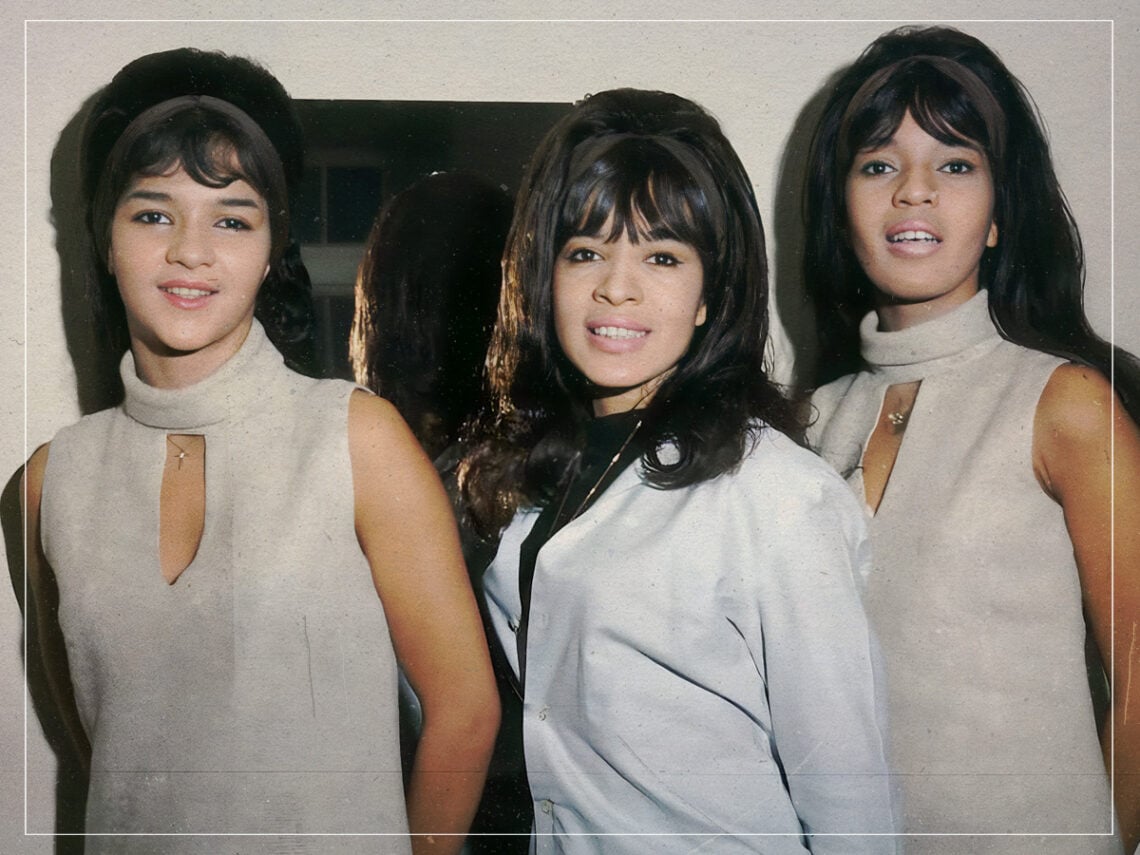
‘Be My Baby’: The Ronettes masterpiece that birthed the ‘Wall of Sound’

Virtually every aspect of the music industry was revolutionised during the pop boom of the 1960s, including music production itself. Production is an utterly essential—if often overlooked—aspect of crafting a particular sound and energy in recording. Over the years, producers like George Martin, Martin Hannett, and Rick Rubin have used production techniques to carve out their own distinctive sound. However, the world of music production would look very different without the pioneering work of Phil Spector.
Spector first became involved in the music industry, specifically production, during the latter part of the 1950s, as the rock ‘n’ roll boom gave way to a whole new world of popular music. However, it would not be until the 1960s that Spector could leave his mark on the music world by pioneering a type of music production that became known as the ‘Wall of Sound’. This technique would lay the foundations for virtually all future pop production, and it all started with the release of The Ronettes’ defining track ‘Be My Baby’.
Although, on a surface level, ‘Be My Baby’ might seem like a relatively simplistic early 1960s pop track, its composition was far more complex. Recorded by Spector at Gold Star Studios in California, the track marked the first time that the producer had utilised a full orchestra within the studio, along with his house band, The Wrecking Crew, in an effort to perfect the ‘Wall of Sound’ technique that he had been striving for.
If ‘Be My Baby’ was going to be the groundbreaking hit Spector had in mind, it had to be utterly flawless. So, the producer made the band and the orchestra practise the track for four hours before putting anything onto tape. Despite this, the famous drum beat that ushers in the beginning of the track was reportedly an accident made by Wrecking Crew percussionist Hal Blaine during the recording process. It was with the tape recordings, however, that Spector orchestrated his ‘Wall of Sound’ techniques.
To achieve the almost overbearing, colossal sound that he became synonymous with, Spector would instruct his orchestra to play the same instrument in unison as an ensemble, thus creating a much richer, bigger tone than if only one person had played the same instrument.
In contrast to other composers, Spector employed this tactic with modern instruments that were not often used in orchestras or ensembles, such as electronic keyboards. Spector also layered backing tracks over each other, using a fairly simplistic three-track Ampex 350 tape recorder to create a bombastic sound.
The resulting sound was unlike anything the pop scene had seen previously. Clearly, audiences were very receptive to this revolutionary new sound, as The Ronettes’ ‘Be My Baby’ shot to number two in the US singles charts and earned the band a top-five single in the UK, too. The track remains among the most iconic and enduring efforts of 1960s pop, and the ‘Wall of Sound’ that it first established became undeniably influential on a whole host of other artists, producers, and genres.
For example, Brian Wilson employed the same ‘Wall of Sound’ techniques as Spector on many of The Beach Boys’ most renowned records, even though they were not produced by Spector himself. Speaking to the enduring legacy of the technique, Spector’s production techniques were essential in establishing the groundwork for the shoegaze genre during the 1980s and 1990s, a far cry from the pop-centric sound of ‘Be My Baby’.
