


What exactly was Phil Spector’s ‘Wall of Sound?’

The evolution of music is essential to the art form’s relevance. It is sound and acts as a shadow of culture, following various political and societal events and providing a reflection of them. Predominantly, musicians are responsible for the persistent development of music, whether that is in the lyrics they write, the instruments they play, or the way an overall sound fits together; however, the buck doesn’t start and stop at them. Phil Spector’s ‘Wall of Sound’ is the perfect reflection of this.
It’s important to remember that music is more than sound; it is an entire industry. Behind every song, you have record labels, marketing teams, editors and engineers responsible for getting a track into the world. The way that music can evolve extends to all of these different people, whether that is in the way that music is made, recorded, or distributed.
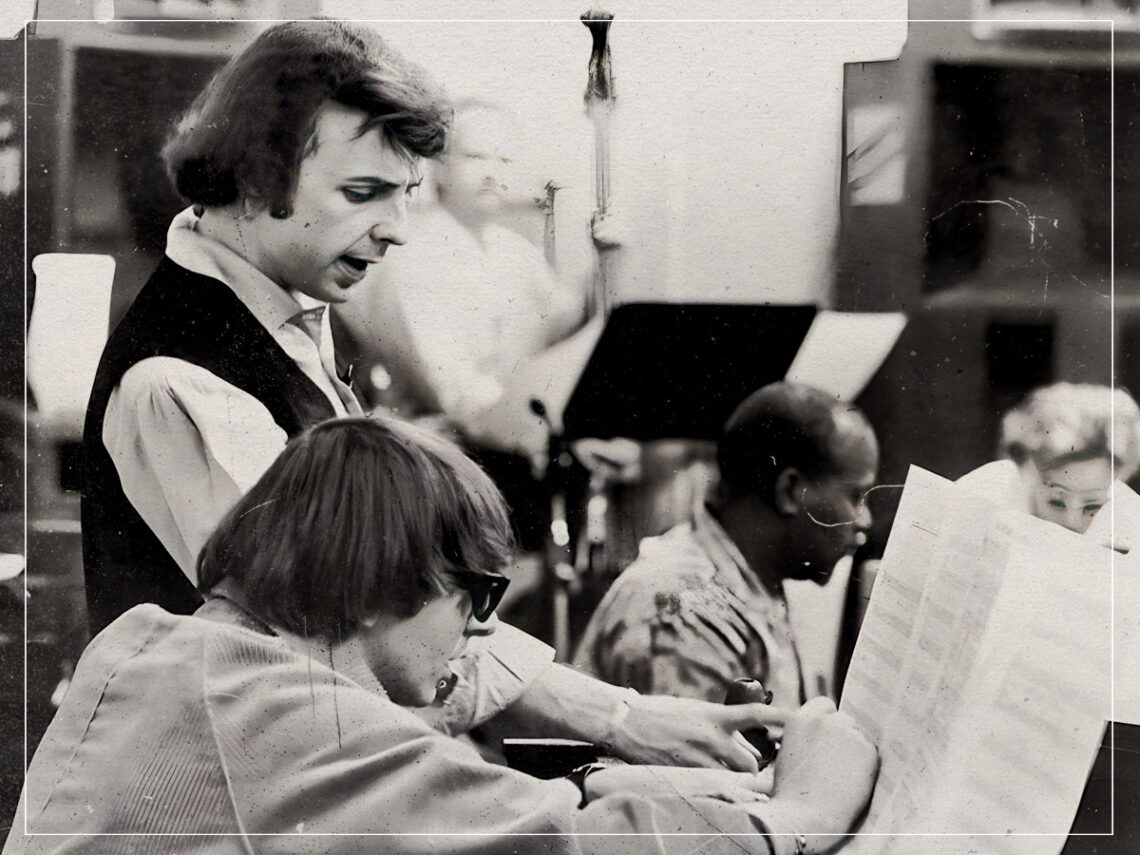
Phil Spector is a prime example of how an engineer and producer can change the face of music. In the ‘60s, when he worked at Gold Star Studios, he was responsible for developing the ‘Wall of Sound’ recording technique. He did this to try and exploit the possibilities presented with studio recording to create a much more dense and orchestral sound.
Spector discussed the recording technique, saying, “I was looking for a sound, a sound so strong that if the material was not the greatest, the sound would carry the record. It was a case of augmenting, augmenting. It all fit together like a jigsaw.”
There is a common misconception that achieving the ‘Wall of Sound’ recording technique was just a matter of increasing volume, but that wasn’t the case. Instead, Spector would devise arrangements for various ensembles so that multiple instruments were doubled and tripled. The result would be a fuller and richer tone, so when mixed well enough, individual instruments would become indistinguishable to the listener.

How many number ones did Phil Spector produce?
Phil Spector was responsible for a plethora of hits. The first number-one album he worked on was The Crystals He’s a Rebel, released in 1963. He also worked frequently with The Beatles as a band and in their respective solo careers, all of which were subject to chart success.
Some of the most notable albums Phil Spector worked on included Let It Be, All Things Must Pass, Imagine, and Leonard Cohen’s controversial Death of a Ladies Man. In total, though, despite his unique recording style and the artists he worked with being of note, Spector was only responsible for 5 number one albums during his time in music.
What happened to Phil Spector?
After achieving commercial success in the 1960s and ‘70s, Spector remained inactive throughout the ‘80s and ‘90s. He briefly re-emerged to produce Yoko Ono’s Season of Glass shortly after John Lennon was murdered, but other than that, he didn’t work much.
On February 3rd, 2003, Spector shot actor Lana Clarkson in the mouth, killing her. Her body was found slumped over a chair in Spector’s home. Spector was charged with her murder but released on bail while he awaited trial. He said in an interview that Clarkson’s death was an “accidental suicide” and that she “kissed the gun”. However, this claim was thrown into contention when Spector’s driver, Adriano de Souza, remembers the producer saying, “I think I killed somebody.”
He was convicted for the murder of Clarkson in 2008 and sentenced to 19 years in prison. He attempted to appeal the decision on various occasions, but none were successful. He eventually died in 2021 due to complications with Covid-19.
