


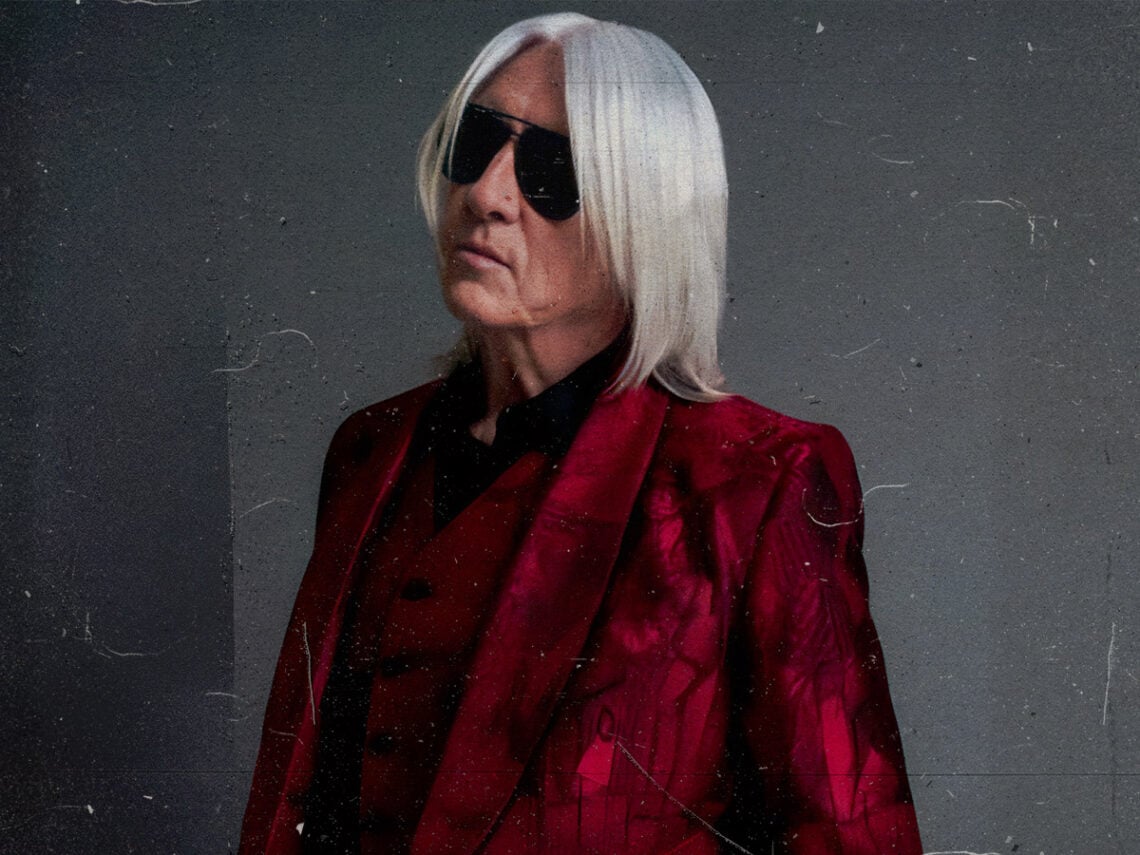
The rock singer Joe Elliott believed nobody could emulate

One of the greatest strengths behind every Def Leppard project comes from the vocals. Although Joe Elliott may not claim to be the best singer in the world, the band’s vocal chemistry whenever they entered the studio was like nothing the hair metal seen had ever heard, practically turning themselves into a 1980s version of Queen. While Elliott may have had a healthy respect for the vocal technicians, some of his favourite vocalists had been known to put much more growl into their voices.
When first emerging in his local scene, Elliott was attracted to every subgenre of rock and roll music. Whether it was Black Sabbath singing ‘Iron Man’ or The Osmonds doing ‘Crazy Horses’, anything went as long as it had a good melody in Elliott’s mind. Although Elliott was already drawn to the music, it wasn’t until the glam rock scene hit that he started to think he could become a star.
After first seeing Marc Bolan on Top of the Pops, Elliott knew he wanted to tear up a stage with that much intensity. Diving headfirst into the glam scene, Elliott would later emulate every great glam rock act he heard, treating artists like Mott the Hoople and David Bowie with the same style of reverence.
While the track may have received a makeover, a new style was slowly starting to emerge from the underground. Still informed by fashion, the punk movement emerged in the mid-1970s to take a hatchet to all the pretentious aspects of rock and roll, looking to play songs that cut to the chase rather than boring their audience with extended guitar solos.
Of all the bands coming out of England, though, no other had the same impact as Sex Pistols. From the minute that John Lydon opened his mouth to sing on Nevermind the Bollocks, the genre had undergone a significant change, with every band following them wanting to put safety pins through their nose and play the most raucous rock and roll known to man.
Even though Elliott was still deep into hard rock at this point, he still admired the amount of snarl that came out of punk. While he may have liked what the movement brought to the table, Elliott knew that there was more going on behind Lydon’s voice than what he let on.
When discussing his favourite albums, Elliott said that Lydon’s performance on Nevermind the Bollocks could never be equalled in rock and roll, telling The Quietus, “It’s a real album: it represents punk. But in many ways, it doesn’t. The Pistols record is as planned out as a Genesis album. That’s why it works. It’s fucking brilliant. Nobody snarls like Rotten. His ‘we mean it, man’ on ‘God Save the Queen’, it puts the hairs on my arm up to this day.”
By the time Elliott got to work with Def Leppard, the aftershock of Sex Pistols was still heavy in the air, with Steve Clark having the same wild energy that came from the early waves of punk rock. Leppard would even pay tribute to their punk roots later, covering ‘Search and Destroy’ by The Stooges on their album Yeah! and guitarist Phil Collen, enlisting Sex Pistols drummer Paul Cook for his side project, Man Raze. Def Leppard may have a very detailed approach to rock music, but they understood the power of every punk legend before them.
