


10 albums that made artists quit music forever

Music has never been a one-time thing for any artist looking to become a legend.
Anyone who has ever tried to make a song out of nothing knows that it isn’t a walk in the park, but the reason why the best bands in the world keep releasing albums is that they are so committed to their craft every single time they walk up to that microphone with nothing in their head. But it takes a special kind of bad record to make musicians like Phil Collins want to leave the industry altogether.
Then again, there are a lot of moving parts that make a band what it is, and more often than not, it can get more than a little bit tense. It’s not realistic for every band member to become best friends overnight or continue to be cordial with each other after spending years on the road, but when someone says that one wrong thing in the studio or starts to wear on someone for too long, it’s only a matter of time before they start to think what life could be like if they weren’t stuck in the studio for hours on end.
And we’re not talking about people who simply left their respective acts and joined another band. No, these people got tired of the entire thing by the time they were finished and were content to never come back. They might have a more regular life now and left a lot of fame and fortune on the table, but it was probably worth it to them to choose a happy life over a lifetime’s supply of petty bullshit for the rest of their career.
Because as much fun as it seems to be up onstage playing your heart out, it’s far from the dream life that everyone thinks it is, and it only takes a couple of records before people admit that they’ve had enough. Some of them wrapped up their career on a happy note, and others left the industry kicking and screaming, but if there’s one thing for certain, it’s that we will probably not hear from them ever again.
10 albums that made artists quit music forever:
The La’s – Lee Mavers
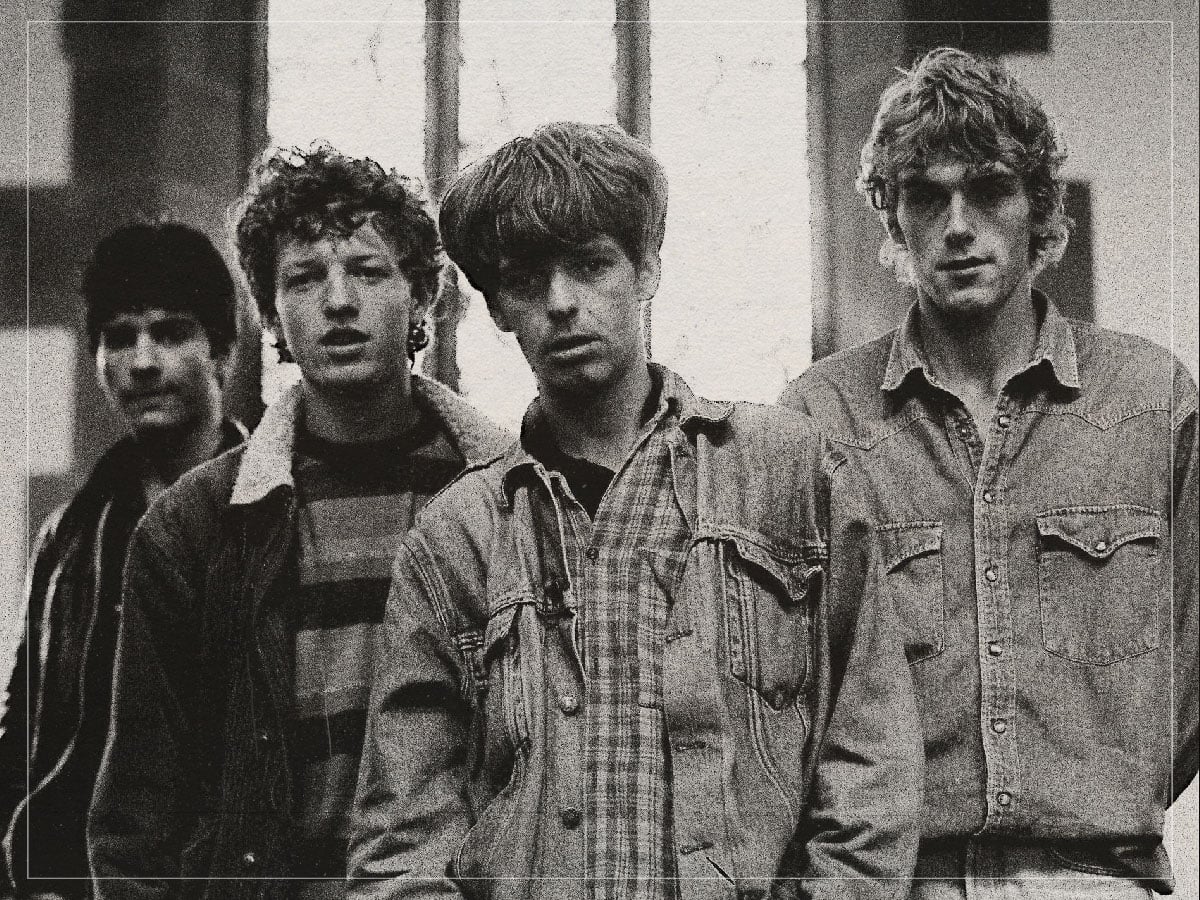
Music isn’t meant to be rocket science whenever a band gets into the studio. Most people are happy to just have a few working microphones when making their first hits, but it can be like banging your head against a brick wall when the inspiration isn’t coming. And for Lee Mavers making the first La’s album, he was more than happy to stop making music altogether than having to worry about what the band were doing a second longer.
He had a clear idea of what the songs were supposed to sound like in his head, but it seemed like every time he would be happy with one of the mixes, he would scrap the whole thing a few weeks later. He had already had outrageous preferences like not working with yellow guitar cords, but even when the label put their foot down about getting a finished mix, Mavers intentionally tried to make the whole record sound as sloppy as possible as a gag to his higher-ups.
And since the rest of his label didn’t get the joke, his ongoing struggles with John Power just led to him wanting to wash his hands of the entire thing once his friend split to form the band Cast. If everything worked out the way it was supposed to, The La’s could have been one of the greatest indie bands the world had ever seen, but Mavers seems only content to work on woodshedding his old tunes and only popping up for an impromptu reunion every now and again.
Hard Promises – Ron Blair

None of the Heartbreakers really wanted to get into the business to be famous. Tom Petty may have written some of the best songs that they had ever heard, but it was much easier for them to bounce off whatever he was doing half the time than worry about becoming the next big pinup star by any stretch. But even if all of them had a little bit of resentment at being at the back of the stage, Ron Blair never asked to be dealt the hand that he did when he started working on Hard Promises.
Petty and Mike Campbell were always very particular about what they wanted the music to sound like, and there were more than a few times when his bass fills weren’t cutting it. They were still exactly what the song needed on tunes like ‘The Waiting’, but when Petty felt that he wasn’t playing to the best of his ability, Blair felt it was much easier to give the bass to his bandmates and have them play in his place than get too antsy about having his time to shine.
But even if this was his last record before going into the business of swimwear, Blair’s story did at least get a happy ending when he came back to the band for the last decade of Petty’s life after Howie Epstein passed away. He could have easily walked away forever, and no one would have blamed him, but this is one of those rare occasions where the music managed to bring him back into the fold.
Barrett – Syd Barrett

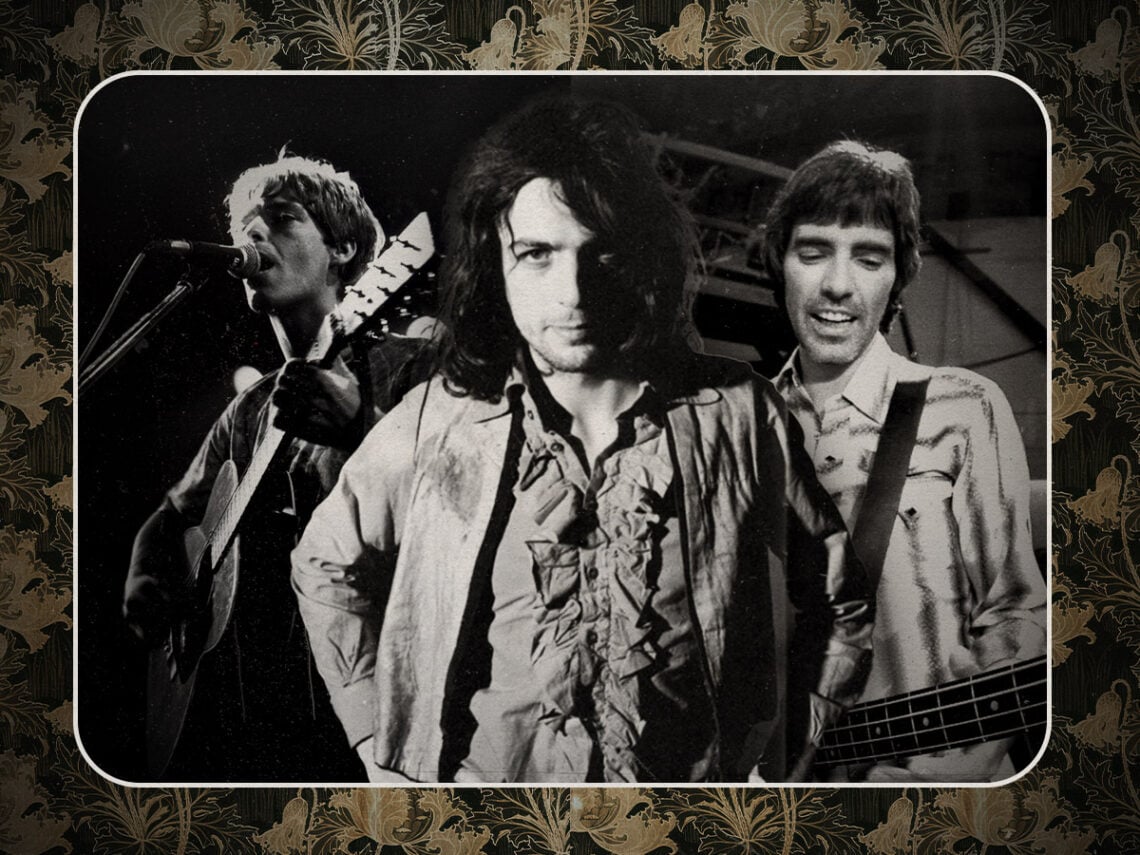
There was hardly any chance that Syd Barrett was ever going to conquer his demons in the way that most people thought. Pink Floyd may have lived and died on their songs when they first began, but when they started to get more unintelligible every single time they played, they figured that their days with him as their frontman were bound to be numbered. But even if he did make a good effort for a solo career, Barrett was at the point where his former bandmates had done all they could do for him.
Barrett’s songwriting style had always been slightly strange, but when he started making his solo tunes, you can hear him slowly starting to lose the spark that he had in the days of ‘See Emily Play’. But whereas The Madcap Laughs strikes a decent balance of his eccentric side and the tunesmith that he always was, it does feel a bit heartbreaking going back to this record, with Roger Waters and David Gilmour doing everything they can to help their old friend make it through the rest of the album.
The crazy diamond that started it all had finally started to burn itself out, but even if he would spend the last years of his life fading away, he didn’t need to be remembered as a casualty. He should be celebrated for his music, and whenever anyone picks up one of his records or even a copy of Piper at the Gates of Dawn, they’re listening to a man who always tried to make the best-sounding music that he could.
Loudest Love – Jason Everman
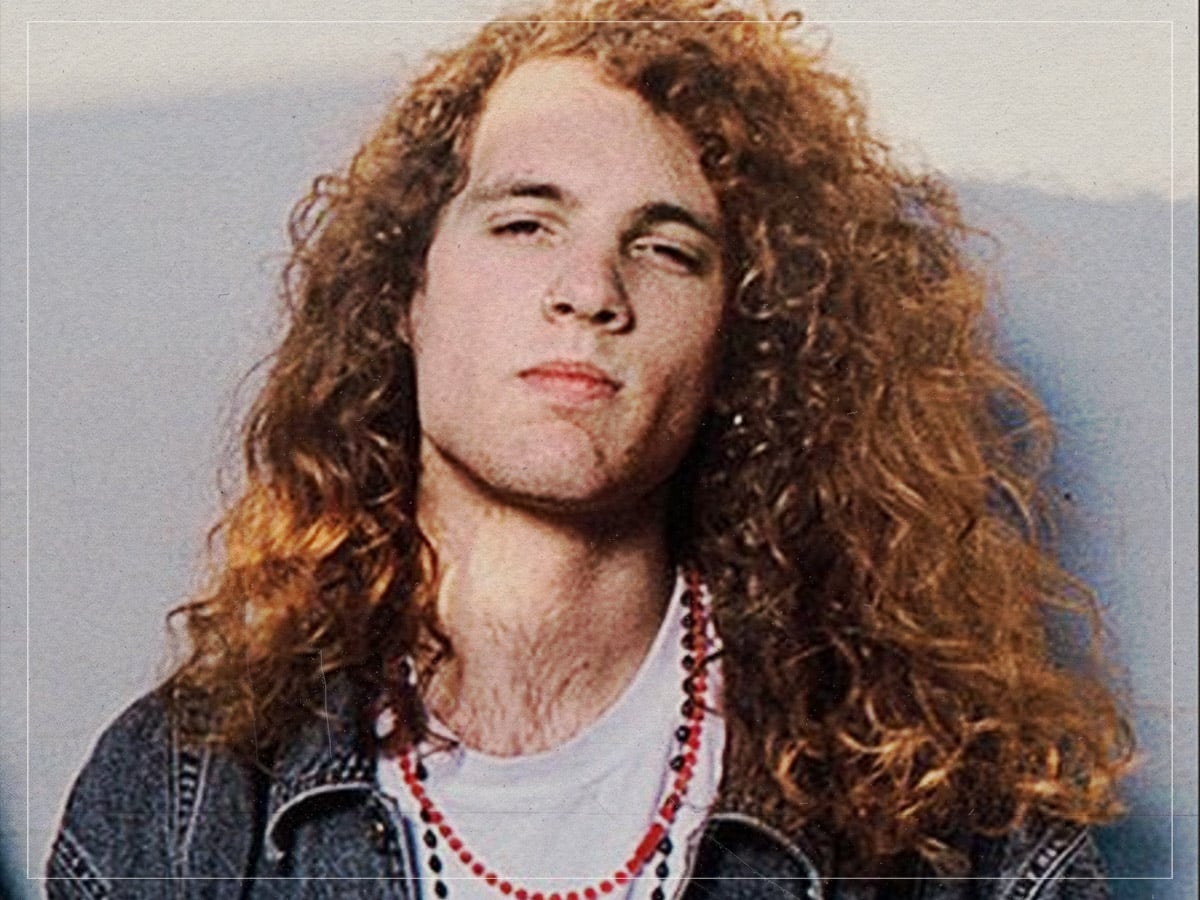
It has to sting being asked to leave one of the biggest bands in the world. Everyone from Pete Best to Ian Stewart knew all too well that it never looked good watching their friends from the sidelines every time they saw their concerts, but it’s all down to chemistry whenever anyone becomes the hot new star of whatever generation they’re in. But when someone was given the hand that Jason Everman has, it’s no wonder that he wanted to get out of music after one too many bands that didn’t work out.
It was bad enough that he put up the money for Nirvana’s debut album before getting sacked, but it at least looked like he was going to land on his feet when he joined Soundgarden. But after not clicking that well with Kurt Cobain, Everman’s behaviour only lasted a few more months in Soundgarden before he was asked to leave again when Ben Shepherd stepped into his shoes.
Loudest Love remains the only album that has contributions from Everman on the cover of The Beatles’ ‘Come Together’, but aside from a few other bands he tried to get off the ground, Everman has built up a second career for himself as a military serviceman. While he has done a lot to defend his country over the years, chances are he didn’t want to get too caught up in going back to music after getting canned from two of the biggest names that the grunge world had ever seen.
Rush – John Rutsey
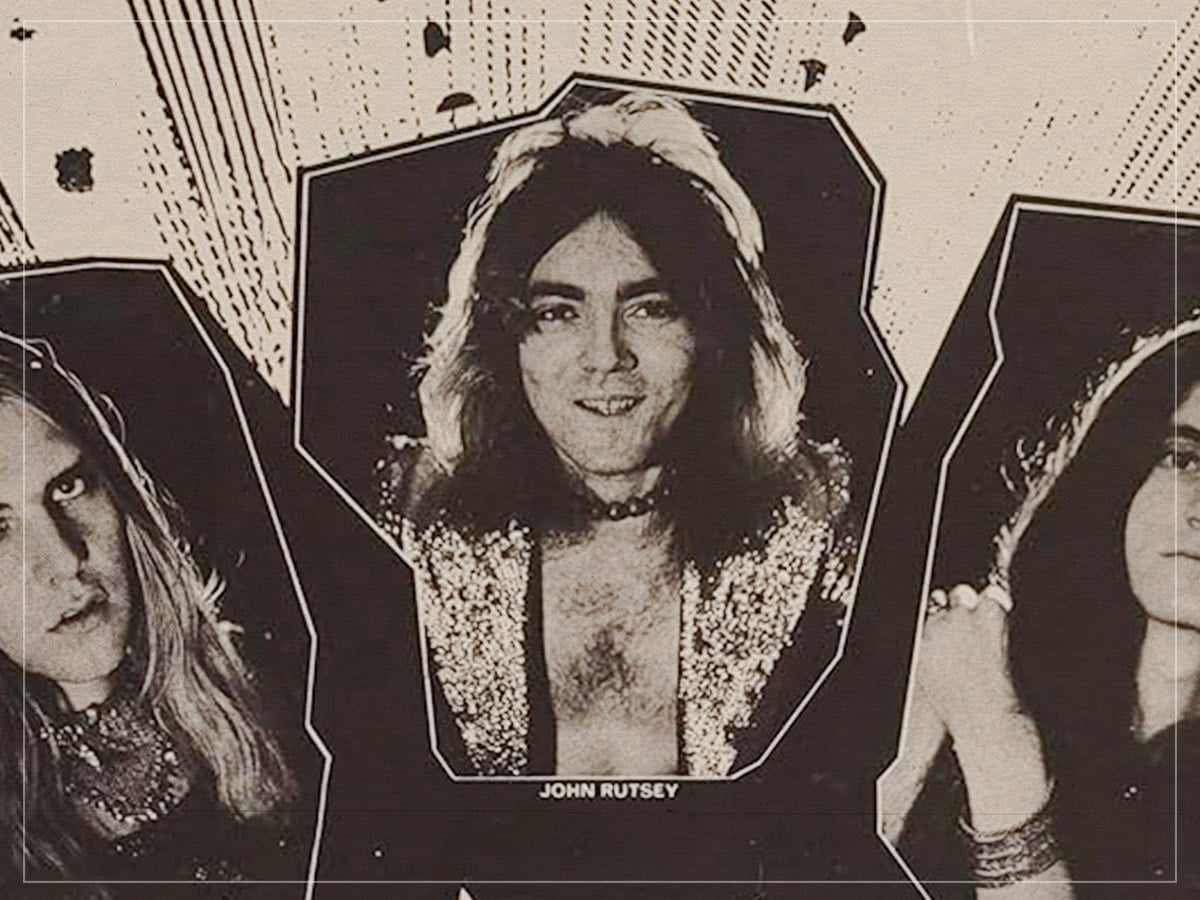
Any band like Rush needs to have everyone pulling the same amount of weight to work. No power trio gets the job done by being merely good at their respective roles, and once you hear the opening drum beat of ‘Tom Sawyer’, you can tell that everyone is kicking into high gear by the time that the rest of the band comes screaming in. But long before Neil Peart even picked up his sticks to audition for them, John Rutsey seemed like the one frontman who could lead them into rock and roll history.
Or at least local Canadian history, that is. The band’s self-titled debut album is much more influenced by the kind of music in their record collection, and since Rutsey wasn’t as interested in bands like Yes or Genesis, what you get on that first album is a lot more influences by the likes of Led Zeppelin and Humble Pie than anything remotely progressive. But when they got out on the road, Rutsey had to be pulled off the road after not being able to deal with the complications of juvenile diabetes.
Then again, the band may have seen it as the right time for them to part ways. They were no longer interested in being a Bad Company-type band, and when Peart joined, they had the perfect foil to their own strange progressive songs like ‘Anthem’ and ‘Fly By Night’. Rutsey was the sacrificial lamb for Rush to become legends in a lot of ways, but had he stayed with the group, not getting Peart behind the kit would have been the real tragedy.
The Miseducation of Lauryn Hill – Lauryn Hill
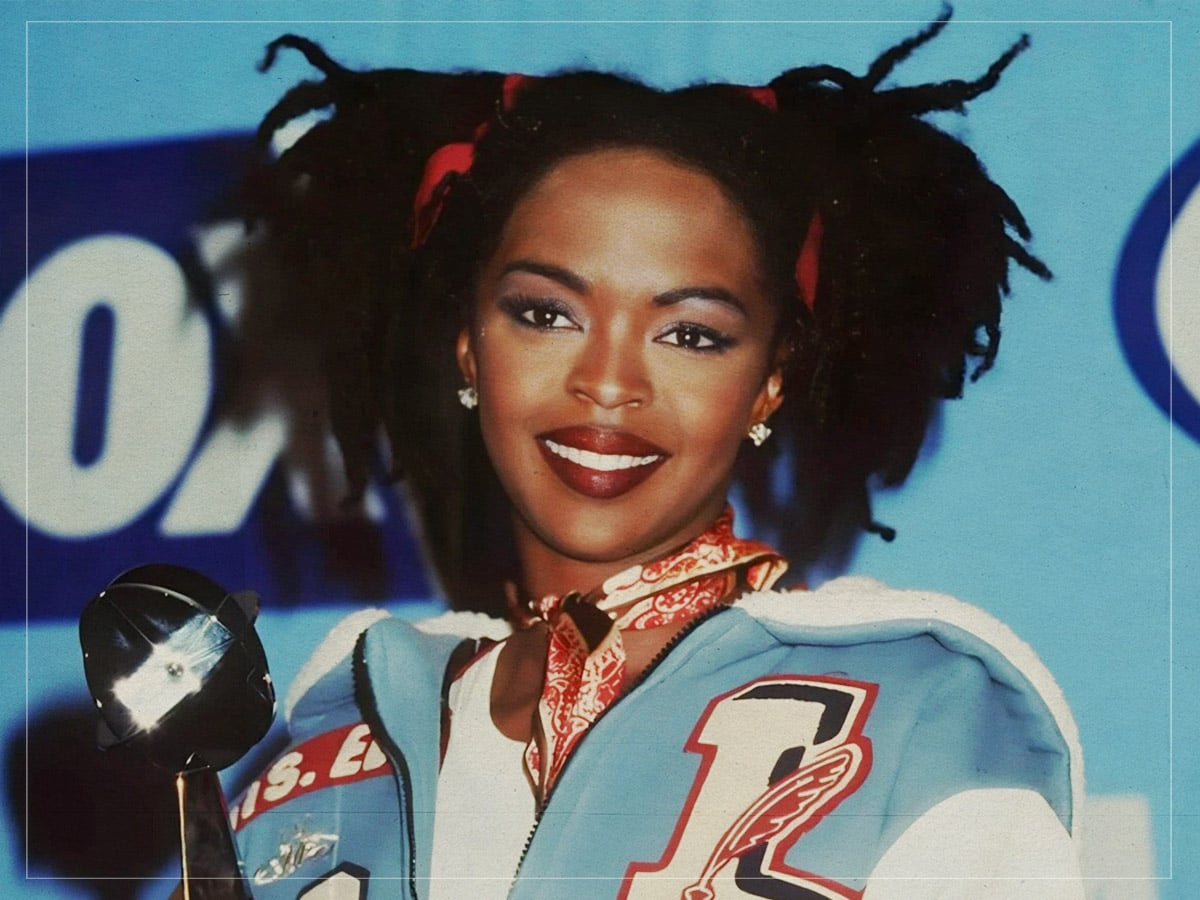
For a brief moment in time, The Fugees seemed poised to become one of the biggest names in music for decades on end. Their blend of familiar pop samples with some of the greatest rapping of the 1990s was infectious as hell, but right when The Score seemed to be taking over the world, the band were already starting to work on solo projects. But there was no question who was the breakout star once the world was introduced to Ms Lauryn Hill all over again on her debut record.
There’s a feel-good energy that runs throughout this entire record, and even if a few songs are directly aimed at Wyclef Jean, you can tell that Hill was finally happy to be free of her band and had a bright future ahead of her. But whereas someone like D’Angelo kept his fans waiting a long time in between releases, most Hill fans have made peace with the fact that there’s a good chance that a new album is never coming out.
Oh, she’s still one of the greatest concert draws of all time when she’s on her A-game, but aside from a brief unplugged record that she made in the 2000s, a lot of her best work is reserved for the occasional guest verse on someone else’s hit or having a few cameos during live shows. Is she officially retired from music? No. But are we going to ever hear another song from her with the same kind of power as ‘Doo Wop (That Thing)’. Unfortunately no.
Icky Thump – Meg White

Anyone who claims that Jack White did everything in The White Stripes clearly wasn’t paying enough attention. Even in the age when duo bands were becoming the biggest thing in the world, it’s hard to really separate The Stripes’ sound from what Meg White was doing behind the kit whenever she played. She was the one holding down the firm foundation for everything, but even when Jack started his solo career, Meg wasn’t nearly as interested in continuing on as a solo artist.
If anything, Icky Thump was the last time that she really wanted to be in the public eye like that. There was already speculation about her and Jack’s relationship for so long, but Meg had had enough of dealing with the ins and outs of fame whenever she made a new record. It was already tough to see people hounding her about her abilities as a drummer, but by the time they played their last performance on Conan O’Brien’s show, she seemed happy knowing that this part of her life was over.
And we really do mean over. As much as people would have loved to see her at the Rock and Roll Hall of Fame, Jack was there by himself with a message that he sent to his old bandmate rather than giving us any more new music. But since the Stripes were all about going back to a more simpler form of rock and roll, maybe it was time that all of us grew up and realised that part of our musical diet was officially over.
Made in Heaven – Queen

There’s no sense in replacing someone like Freddie Mercury. Queen can do whatever they want to keep the spirit of their music alive every single time they play, but when looking at their track record, their stints with Adam Lambert and Paul Rodgers are more of a celebration of Queen’s legacy than anything on the level of what Mercury could do. Without their frontman, there would forever be a gaping hole, and John Deacon wasn’t going to stick around and watch the band go on any further.
While Mercury insisted that the band keep working on some of his demos that he had left for them, leading up to his death, it was clear that this was a one-time thing for Deacon. A lot of the songs may have come from earlier in the band’s catalogue, but after spending years as the silent member of the group, Deacon wasn’t looking to go on the rollercoaster of touring all over again, eventually announcing his resignation from touring with the group and living a quiet life at home.
He’s still more than happy to be the man who made all of those great Queen songs, but at this point, he’s happier to leave that part of himself in the past. ‘Another One Bites the Dust’ and ‘You’re My Best Friend’ would have never been hits without him, but compared to what his bandmates are doing, Deacon seems much more content with leaving the legacy where it is than going back on the road.
Fantasies and Delusions – Billy Joel

The entire process of songwriting never came easy to Billy Joel. There are many times when he has fond memories of getting a song together, but when he talks about the idea of making pop songs these days, he always comes back to the fact that he’s trapped behind a monster with 88 teeth that he plays every single night. He knew he couldn’t compete with his track record, and he figured that it was time to hang it up when he graduated to the world of writing classical music.
Granted, Joel wasn’t the one playing on Fantasies and Delusions, but his attempt at making classical pieces isn’t half bad by any means. This is someone who studied the works of Bach and Beethoven, and you can hear that he’s clearly familiar with what makes a great classical invention, but outside of a few songs peppered in here and there, Joel figured that he had had his fair share of hits and was ready to hang everything up.
He was clearly a great musician still, and there’s no shortage of moments where he can deliver it to the fans, but don’t expect Joel to come out with another album in the next few years or anything. ‘Turn the Lights Back On’ reminded everyone of who he was, but he was much more comfortable sitting atop his mountain of classic records than having to be stuck behind the piano trying to find just the right lyric for a song.
Testify – Phil Collins
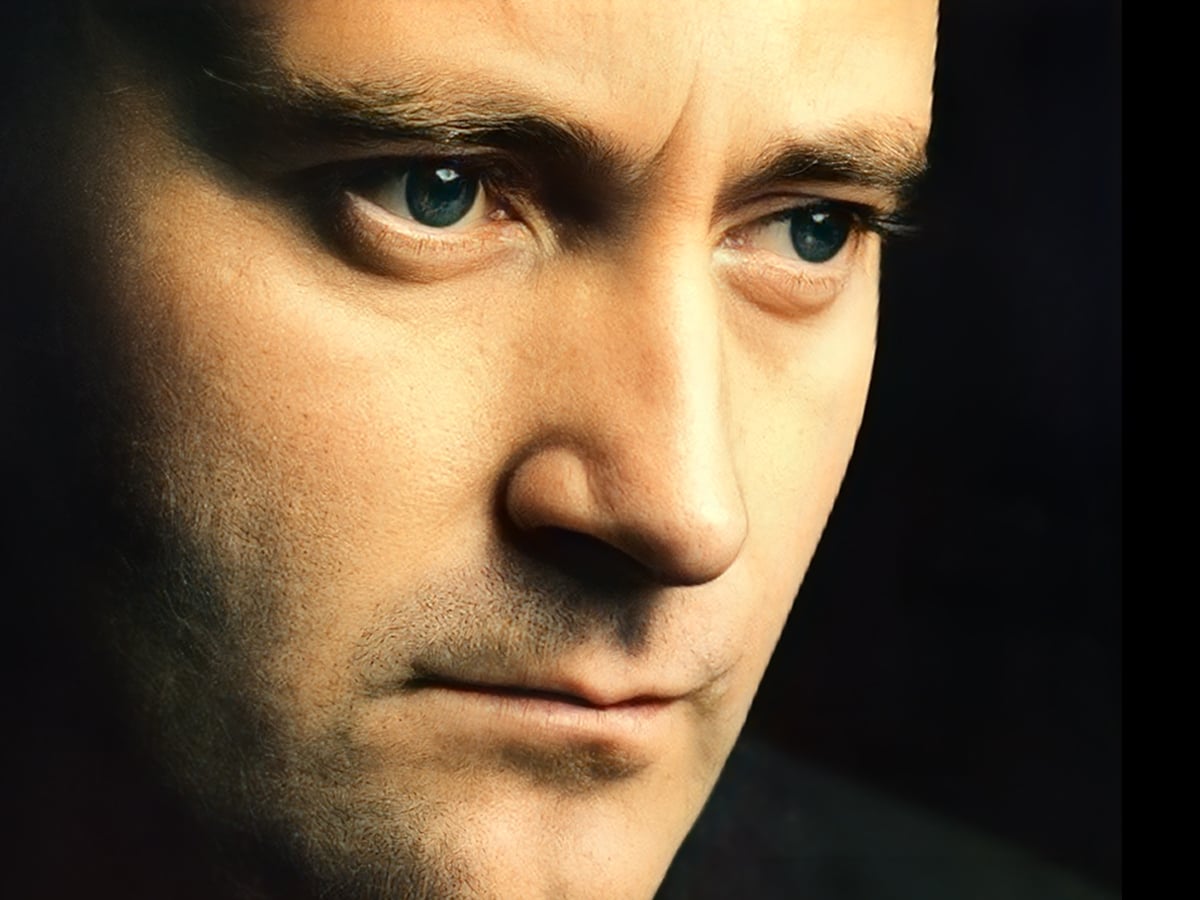
There has never been another pop star who knows how to divide a room quite like Phil Collins. On one hand, he has made some of the all-time greatest pop songs of the 1980s both on his own and with Genesis, and yet he’s also considered one of the cheesiest rock and roll stars the world has ever seen, thanks to a lot of them being hammered into all of our heads. But even if he let the criticism roll off of him half the time, Testify was the final time he felt like giving the world some new music to work with.
Collins had already had his fill of working with Genesis by the time he finished We Can’t Dance, but after going through the rigamarole of being the Antichrist in the eyes of people like Noel Gallagher, Testify seemed to be one of his final moments where he could think about writing pop songs. He still had more than a few records come out after that, but most of them were about trying to have some fun, whether that was soundtracking family movies like Brother Bear or recreating his favourite Motown tunes on Going Back.
And considering he can’t play drums or even sing the way that he used to, Collins still considers Testify one of the last records where he felt like he had something to say. He had weathered the ups and downs of rock and roll stardom more than a few times, and now it was time for him to celebrate the life he had built for himself after spending half a lifetime touring around the world.
