


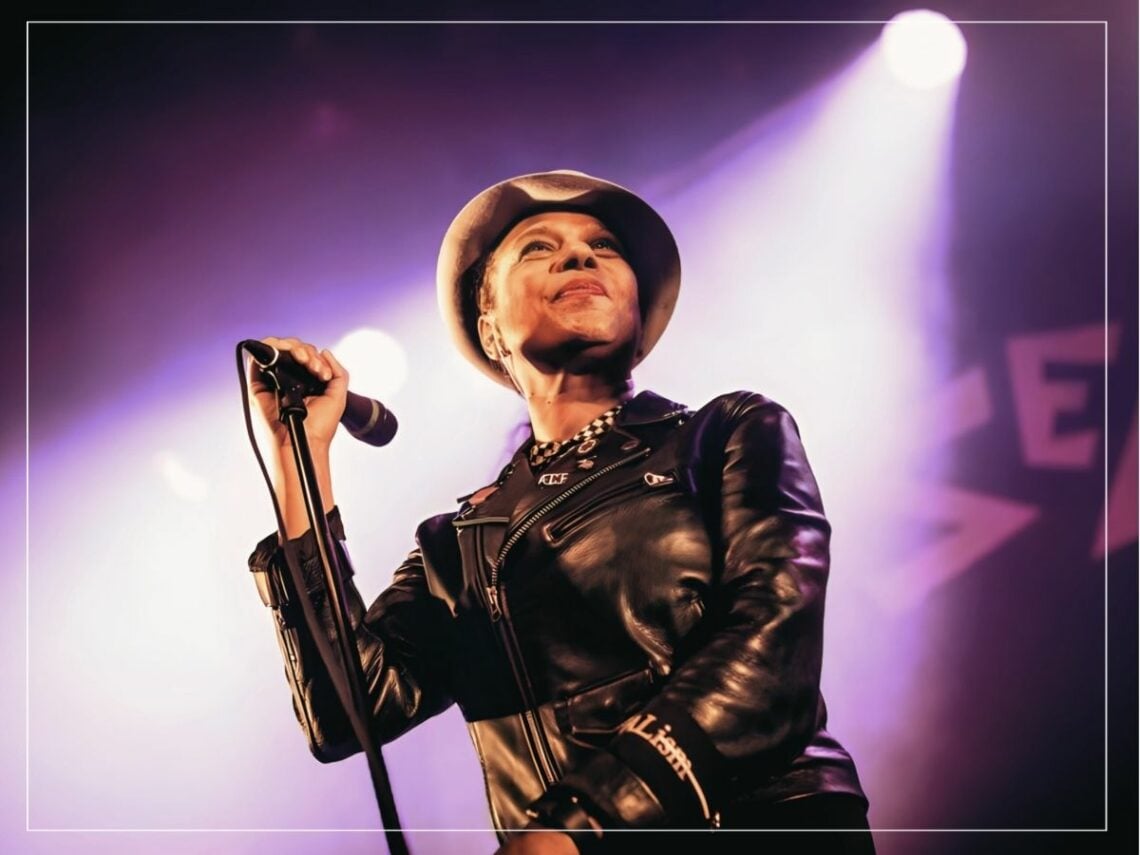
Pauline Black on the “watershed” moment for Black British music

When the first of the Windrush generation set foot on the shores of the United Kingdom during the 1940s, they brought with them a cultural expression that would change the musical landscape of the nation indefinitely. Almost immediately, young people in Britain—both Black and white—became entranced by the distinctive rhythm of Caribbean music. Ska and rocksteady dominated youth subculture during the late 1960s, but it would take a few more years for Britain to produce its own contributions to the style.
In search of work, many Caribbean immigrants to the UK settled in cities with industry places like Leeds, Birmingham, and Coventry. In these communities, Black and white kids grew up together, sharing music and culture with each other along the way. This mix of cultures soon birthed the skinhead subculture, built upon a love of Jamaican music and white working-class fashion. Quickly, however, the skinhead culture was hijacked by far-right hate groups like the National Front to cause racial divisions and violence.
In answer to this growing racial divide within the nation’s youth, people in the midlands began to craft a musical movement built upon unity and political activism. 2 Tone ska blended Jamaican ska music with the predominantly white sounds of English punk rock, marking one of the first times that audiences in the UK had seen Black and white performers on stage together, discussing the prevalence of racism in British society. At the forefront of that movement was The Selecter’s Pauline Black.
Having been adopted into a white family during her infancy, Black was all too familiar with the normalisation of racist attitudes in Britain at the time. Fronting The Selecter gave her a chance to fight back against the treatment she had received as a mixed-race woman in Essex, but she could not have reached those dizzying heights without the pioneering influence of groups like Steel Pulse.
For the uninitiated, Steel Pulse were among the first British-born reggae acts to establish themselves. Hailing from Handsworth in Birmingham, the group gave a voice to the disenfranchised youth who had been born in the UK to Caribbean parents – not white enough to be accepted by British society, but not Black enough to identify with their Caribbean roots. “Steel Pulse – because we’re in the Midlands – we have a debt of gratitude to them,” Pauline Black revealed to Far Out during a recent interview, “because they really sort of said, ‘We can do this.’”
Much like the 2 Tone movement, which Black was a part of, Steel Pulse were never afraid to tackle the social and political issues the band were facing in everyday life. Namely, the band often sang about the abhorrent and institutionalised racism that they experienced as Black people in Birmingham. These themes were most prevalent on their 1978 debut single ‘Ku Klux Klan’, which reached 41 in the UK singles charts and earned the band an appearance on the BBC.
The band’s performance on television was a monumental event for Black people in the UK, who were seldom represented on the BBC. However, the band attracted controversy with their performance when they donned Ku Klux Klan-style white hoods during the performance.
“People who are brave enough to stand around on Top of the Pops with pillowcases on top of their heads, with the eye holes cut out. That was just devastating in this country among the Black population,” Black shared. “There wasn’t a Black family in this country that, when they came on Top of the Pops, weren’t shouting upstairs to that whole household to get down the stairs to see this.”
Continuing, the Selecter frontwoman explained, “That was as watershed to British Black kids as, you know, Bob Marley coming here, which, again, was a kind of Messianic event.” Steel Pulse’s BBC performance certainly sent shockwaves across the nation’s musical landscape, inspiring various young artists to follow in the footsteps of the Handsworth band. In fact, it is not inconceivable to suggest that 2 Tone might never have happened were it not for the groundbreaking efforts of artists like Steel Pulse, who dared to challenge the status quo of British cultural society.
