


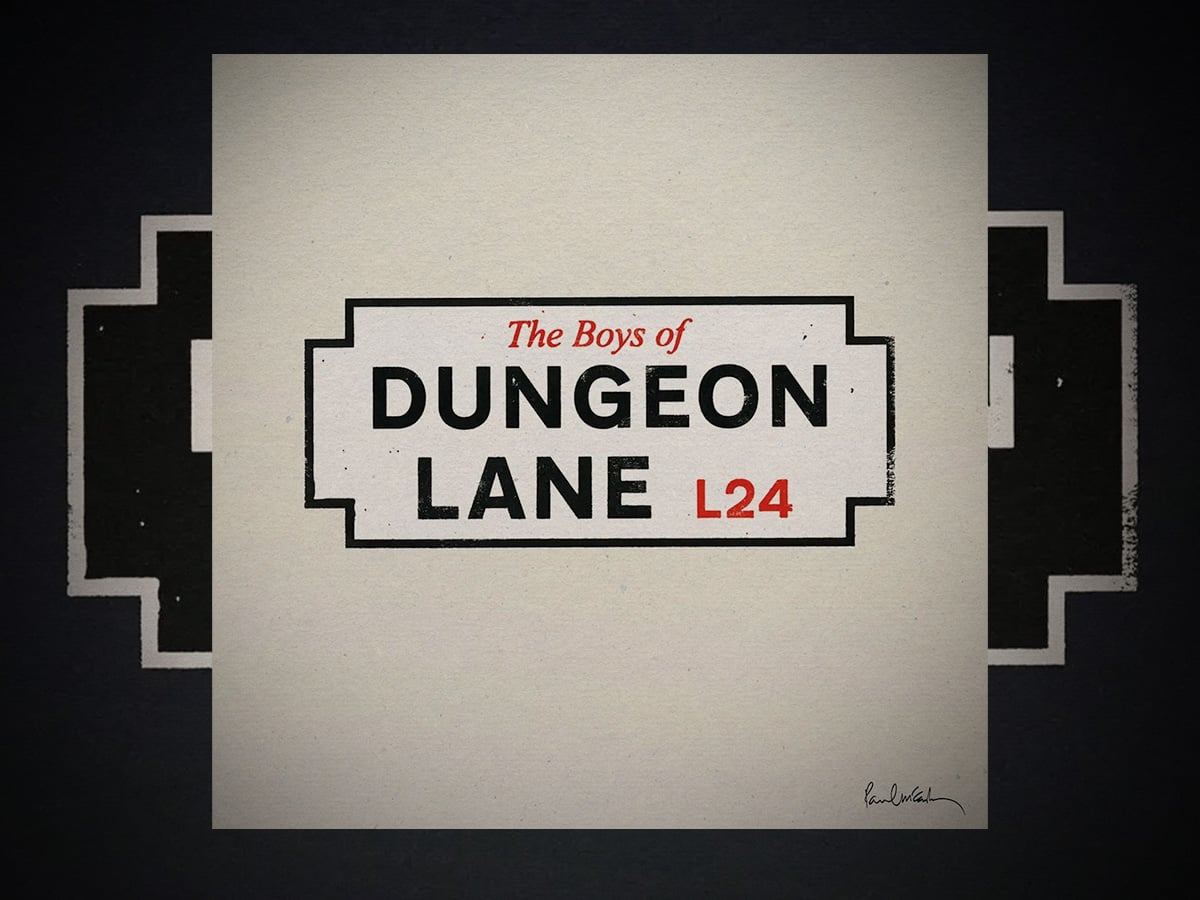
Paul McCartney – ‘The Boys of Dungeon Lane’ album review: What happens when your memories belong to the world?

Any human being with greying nose hairs and recurrent hip pain will appreciate how a nearly 84-year-old Paul McCartney can still delicately fit his wistfulness into the tiny, cobblestone crevices of a lyric. He’s the dignified, “you’re welcome on my lawn” sort of old fellow we’d all like to become; on his A-game and humbly appreciative of his roots. We shouldn’t be fooled by the rocks or knighthoods that he’s got; he’s still Paulie from the block, the little Scouser of Dungeon Lane.
The Skinny: Or at least, that’s the loose premise of McCartney’s 20th solo album, his first in six years. From another perspective, though, The Boys of Dungeon Lane is a far less relatable sort of concept album, not so much driven by a universal nostalgia for the frivolity of childhood, but by one extremely famous man’s desire to be unfamous again for a minute; to exist outside the constant gravitational pull of the super black hole known as the Beatleverse.
It’s a wonderful life, to be sure, but there’s a reason that Ringo Starr’s guest appearance on this record also involves singing a duet about being dirt poor in 1950s Liverpool. There’s a desire to reinhabit that garden-variety existence, those ramshackle streets. In a world obsessed with fame, wealth, and stature, a guy with all three in droves wonders whether he might have lived the best days of his life as a nobody, and that’s what makes this a pretty interesting record, whether intended or not.
The Boys of Dungeon Lane was recorded across five years with producer Andrew Watt, a hitmaker who made his name working with the likes of Justin Bieber and Post Malone, but who has more recently found a niche butting into Rick Rubin’s former territory as a fresh set of ears for old icons. McCartney joins Ozzy Osbourne, Iggy Pop, the Rolling Stones, and Elton John as recent Watt adopters, and the results, in contrast to the raw, stripped-down efforts Rubin liked to coax out of grizzled legends, is vibrant, slick, and deceptively youthful.
On the opening track, ‘As You Lie There’, Paul’s initially vulnerable, spoken word intro gives way to a vintage Macca scream in the riffy, Wings-like chorus. Was this achieved by magic studio tricks? Maybe, but it stops shy of the uncanny valley. The quieter parts are actually the more appealing ones here, with another example of McCartney, a man likely to wind up on British currency someday, putting himself in the role of a lesser being. “Do you think of me? Do I ever cross your mind?”
There are subtle contradictions in McCartney’s messaging at times. The YOLO anthem ‘Lost Horizon’ encourages the listener, “You gotta live for now, make every moment count,” but the very next track is the album’s most predictable moment, ‘Days We Left Behind’, in which Paul very actively visits his past in a mournful but resigned ballad. A couple of months ago, I praised Bruce Hornsby’s new memoir-ish album for defying some of the tropes of the “old man flipping through a photo album,” so it’s hard not to point out that the lead single off McCartney’s record begins with the line: “Looking back at white and black / Reminders of my past.”
Fortunately, Dungeon Lane isn’t just endless, grainy Super 8 footage of sighs, chuckles, and pinky promises. Much like Ringo’s new solo album from earlier this year, there are plenty of loose and joyous moments on the record, when the nostalgia is aimed more at composition and instrumentation choices rather than subject matter.
In the end, though, McCartney devotees are likely to gravitate to the heartstring pullers, which, along with ‘Days We Left Behind’, includes two very Beatle-specific tracks. The pleasantly frill-free acoustic tune ‘Down South’ recounts Paul’s teenage road trip to Wales with his new buddy George Harrison (“It was a good way to get to know you”). The aforementioned Ringo duet, ‘Home To Us’, which is the record’s second single, also finds both surviving Fabs sounding great, proudly celebrating their post-war upbringing in a bombed-out Liverpool.
For all the love and praise they’ve received over the past 60 years, there’s still this defiance left over from being poor kids (particularly poor in Ringo’s case) coming from a place where stars weren’t supposed to be born.
National treasures aren’t often expected or permitted to be defiant, especially when they’re well past 80 and minted primarily for work they did in their 20s. McCartney’s always had more of an edge to him than people gave him credit for, though, and maybe the best nostalgic song on this record is free of Beatle easter eggs and more about resilience; not his own, but that of his parents’ generation. An interesting mash-up of a ‘Masters of War’ acoustic guitar and some war-era jazz horns, ‘Salesman Saint’ venerates Mary and James McCartney, who weren’t rich or famous, but raised their son Paul, born right in the middle of WWII, to enjoy the simple things in life: piano, radio, hot tea, cigarettes.
“They couldn’t take any more, but they had to carry on.”
Standout Track: ‘Salesman Saint’
The Verdict: On one hand, The Boys of Dungeon Lane is a good but not great collection of songs, but on the other, also perhaps the best album ever recorded by an 83-year-old? I’ve always imagined that McCartney must find it odd to be asked every day about things he did 60 years ago, considering how much he’s done since.
But as it turns out, what he really wants to talk about was stuff that he did 70 years ago. No matter where he’s been, he knows where he came from, to borrow a phrase, and it’s generally quite rewarding to go time-travelling with him, even if we’ll never be able to fully separate the man from the Beatle.
Release Date: May 29th | Producer: Andrew Watt | Label: MPL / Capitol

Never Miss A Beat
The Far Out Beatles Newsletter
All the latest stories about The Beatles from the independent voice of culture.
Straight to your inbox.