


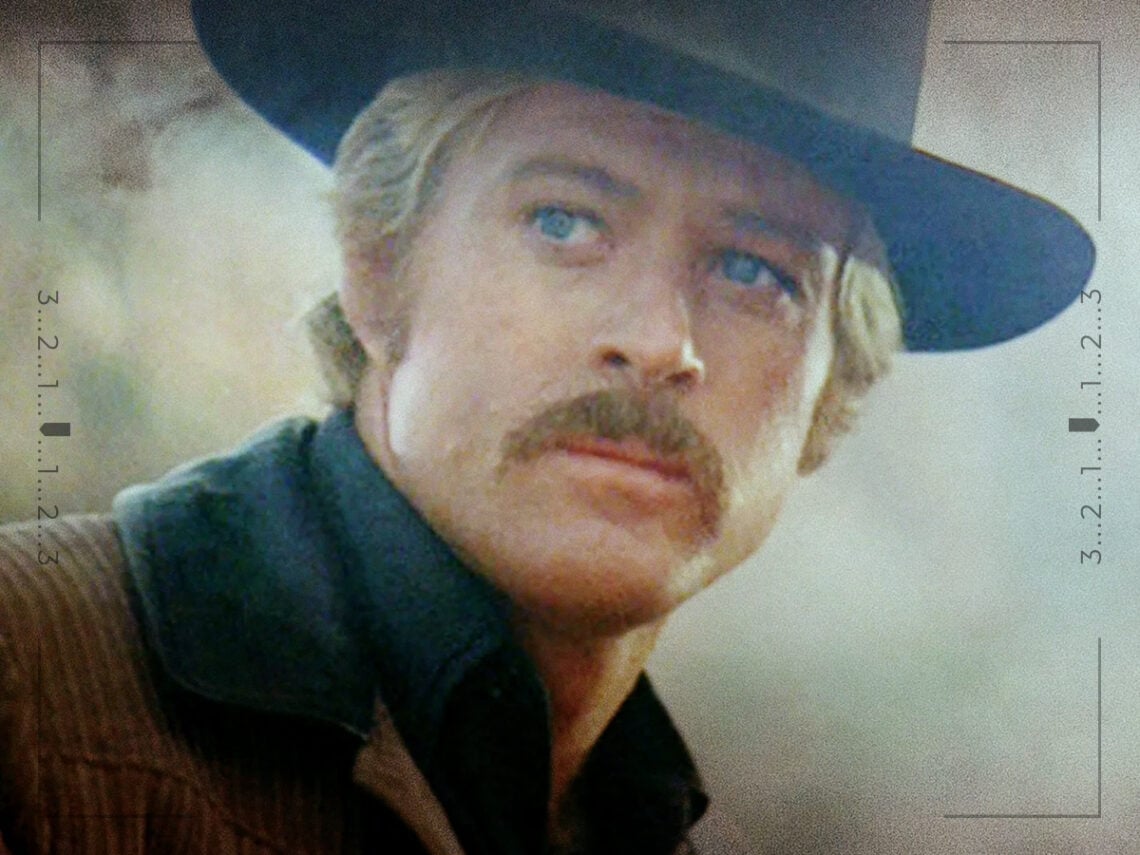
The one kind of actor Robert Redford couldn’t stand: “Bullshit, pure ego, agenting”

Movie stars complaining about movie stars is the epitome of a first-world problem. For someone who made great use of their fame and fortune, Robert Redford spent a lot of time railing against the establishment for allowing him to become an above-the-title draw used as the major selling point for his latest release.
For Redford, fame was always something of a contradiction. It afforded him the freedom to pursue passion projects and exert greater creative control, yet it also threatened to reduce complex works of art into vehicles built around a single recognisable face.
If anything, it was his own fault. If Redford hadn’t been so handsome and talented, then he could have spent his career playing the character parts he wanted. Unfortunately, he was a good-looking guy with charisma and screen presence to spare, which meant studios and filmmakers wouldn’t view him as anything other than a leading man.
Once he emerged as one of the ‘New Hollywood’ generation’s leading lights, Redford could finally take risks. He’d alternate his broader, more mainstream outings in films like Butch Cassidy and the Sundance Kid, The Sting, and The Way We Were with more daring projects, including Jeremiah Johnson, The Great Waldo Pepper, and The Electric Horseman.
It was a balancing act he maintained throughout his peak years, with Redford fully aware that he was a star while trying to actively rebel against it. He found that happy medium, but one thing he couldn’t condone was his contemporaries using their clout to position themselves as bigger than the film.
“The only way you could say that is if the person were acting in it alone, had written and directed himself and somehow shot it himself, too. Otherwise, I think a ‘so-and-so’ film is bullshit, pure ego, agenting.”
Robert Redford
His efforts reflected a broader philosophy that filmmaking should remain a collaborative endeavour. Redford often championed writers, directors and emerging talent, believing that the industry’s focus on celebrity frequently overshadowed the contributions of everyone else involved.
Whenever actors like Jack Nicholson, Paul Newman, or John Wayne had a new movie heading for release in the 1960s and 1970s, they were always the focal point. It didn’t matter who the writer or director was or even what the story was about, and it was a Hollywood construct Redford couldn’t abide.
“I resist the idea of billing a ‘so-and-so’ film,” he told Rolling Stone in 1980. “The only way you could say that is if the person were acting in it alone, had written and directed himself and somehow shot it himself, too. Otherwise, I think a ‘so-and-so’ film is bullshit, pure ego, agenting.”
Funnily enough, when Redford ventured behind the camera to make his feature-length directorial debut on Ordinary People, it wasn’t marketed as ‘A Robert Redford Film’. Technically, it could have been, seeing as he didn’t play an on-camera role in the picture that won him an Academy Award for ‘Best Director’, but vanity was never at the forefront of his thinking.
It would be interesting to find out what he thinks about modern trailers, though, particularly how many directors are hailed as visionaries, whether they’ve earned that tag or not. When Redford was at his peak, the stars sold the tickets. These days, with the odd exception like Denzel Washington, it’s usually about the brand, franchise, or inbuilt name recognition.
From his perspective, even though Robert Redford appeared in dozens of movies and helmed nine of them from the other side of the camera, there’s never been such a thing as ‘A Robert Redford Film’.
Whether one agrees with his stance or not, Redford’s perspective highlights a longstanding debate about authorship in cinema. Films are often marketed through recognisable names, but their creation depends upon the efforts of countless individuals behind the scenes. For Redford, elevating a single person above that collective achievement never sat comfortably, no matter how famous that person happened to be.
