


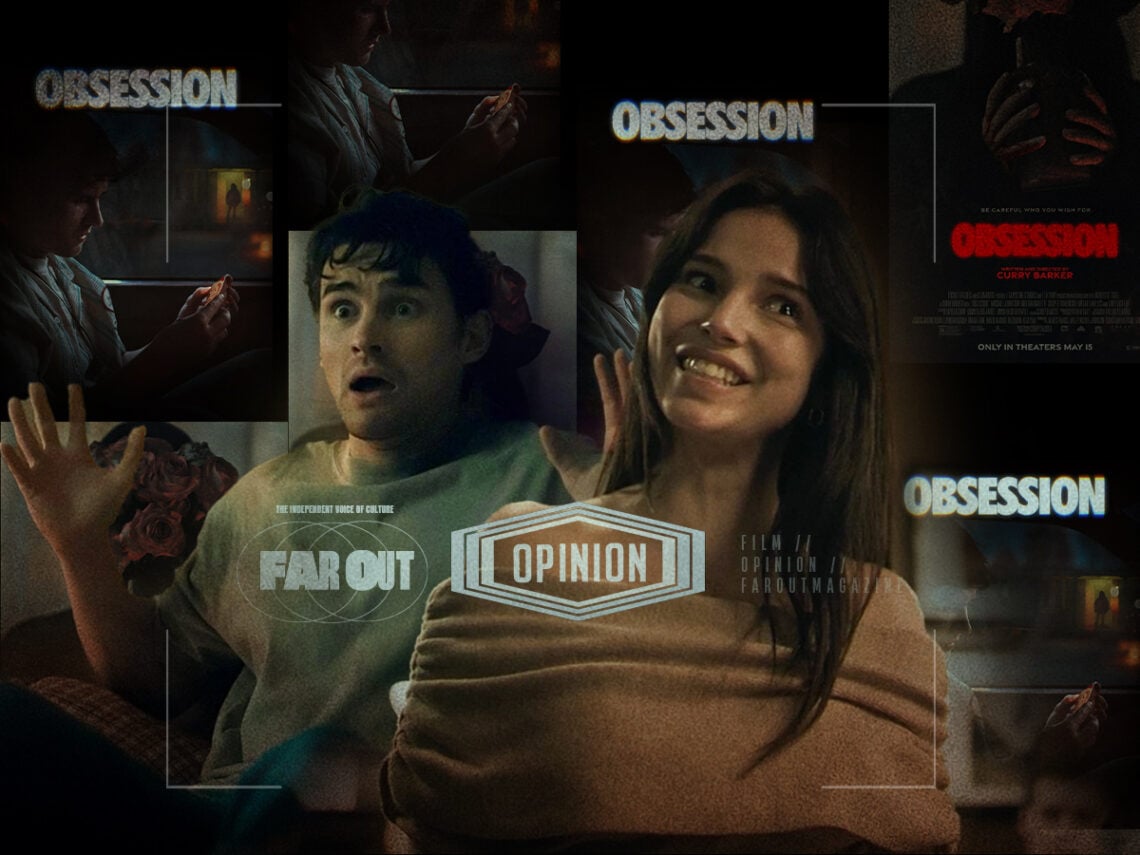
Hear Me Out: ‘Obsession’ epitomises everything wrong with modern horror

After months of putting off a trip to see Obsession, one of this year’s most talked-about horror movies (besides Backrooms), I recently made the excursion to my local cinema, ready to see if all the hype was actually worth it.
Truth be told, I wasn’t particularly interested in watching the film, but considering that I write about films for a living, and that it pains me to not have an opinion on a movie so heavily discussed at the moment, I knew it was finally time. My suspicions were correct, though. I didn’t like it. In fact, I walked out of the cinema feeling frustrated, not just by Obsession, but by certain modern horror trends that have left the state of the genre a far cry from its glory days.
Before the movie started, I was met with several trailers for upcoming horror films, including Evil Dead Burn (if I’m quite honest, I cannot remember the names of any of the others because they all blended into one). I was struck by the way that many modern horror movies tend to be marketed, the trailers all a copy-and-paste formula of an extended tension-filled scene that hides something from us, followed by a fast-paced montage of gore, screams, an adrenaline-fuelled soundtrack that makes the whole theatre rumble, and then a moment of silence before a small jumpscare.
I thought to myself, ‘If I am such a so-called horror fan, then why do none of these films, even the one I’ve paid to see, have much appeal to me?’ Perhaps the problem lies with the fact that much modern horror seems to all look the same, even when it’s trying to do something different, and by that I mean – everything looks so clean.
Whenever I seek out a horror movie, I tend to gravitate towards the 1960s and the 1970s, the more low-budget the better. One of my all-time favourites is Tobe Hooper’s seminal 1974 indie slasher The Texas Chain Saw Massacre, specifically for its grimy, sweaty, sticky feel. When you watch the film, the celluloid actually looks dirty, in a way. You feel disgusting just looking at the Sawyer clan; it’s as though you can smell the rotting flesh, like the sun is beating down so hard that it’s emanating off the screen.
Besides this, it’s exploitation-era horror B-movies, campy Hammer films, subversive folk horror and religion-themed scary stories that have always left more of an impression on me, especially if they look like they’ve been pulled from the depths of an old video store. Erotic vampire movies, bizarre supernatural biker cults, neon-lit witch covens, folklore-stepped historical settings, zombies filmed in plain black-and-white, children haunting a British village.
Even when filmmakers were rehashing similar ideas (like when an overwhelming amount of lesbian vampire movies arrived in the early 1970s), there was always something striking about each one – unforgettable outfits, an intoxicating score, campy dialogue, etc. Even if the plot was rather poor, at least they offered something in the way of an interesting sensorial experience, the grainy 35mm or 16mm film capturing images that truly linger with equal parts beauty and horror.
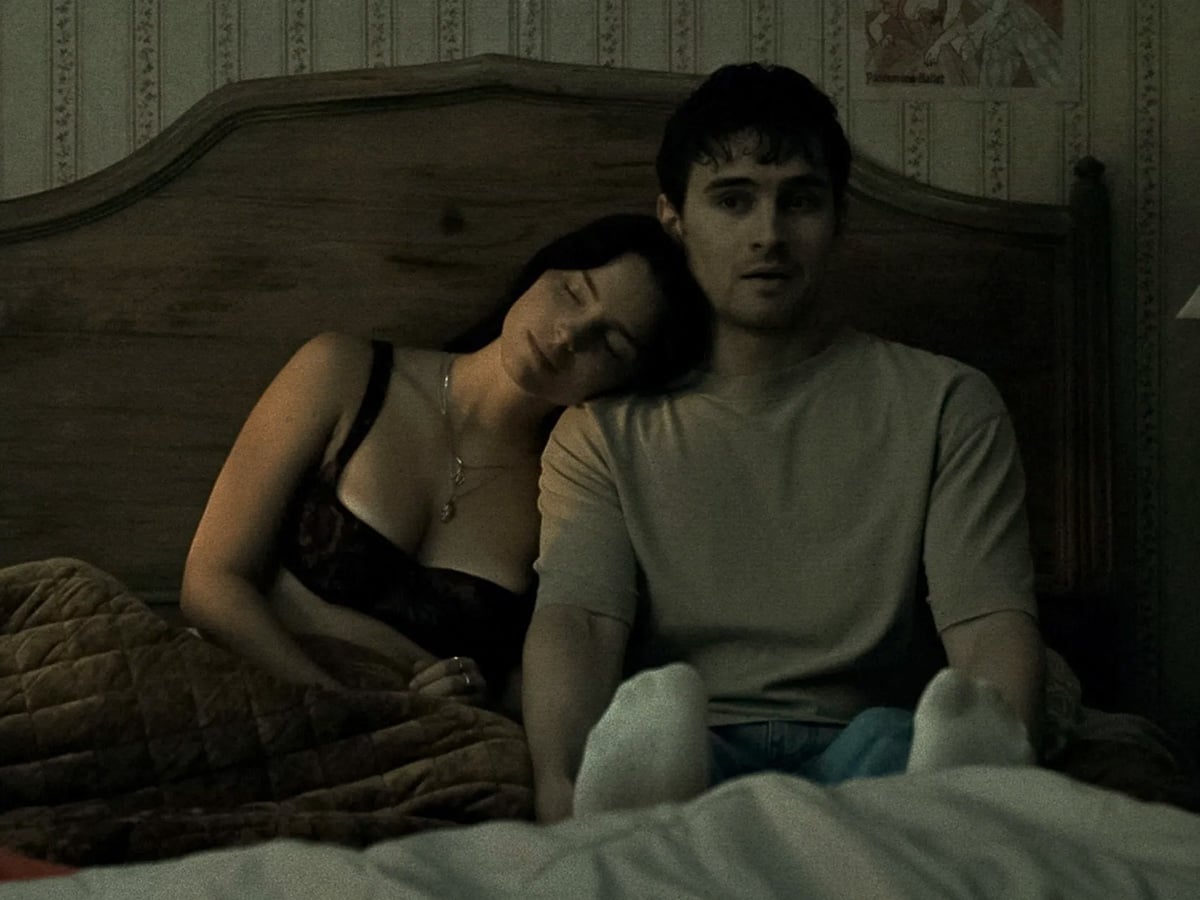
Now, most mainstream horror movies look so clinical. Of course, there are exceptions, but it’s movies like Obsession that, to me, epitomise this boring modern style of horror filmmaking that prioritises the classic ‘A24 indie horror movie’ aesthetic. It needs to be abolished.
Sure, the low-budget nature of the movie (it was made with just $750,000) probably made shooting on film less viable, but there’s something so bland about the way Obsession is shot, with its constant use of shallow depth of field and dim yellowy lighting.
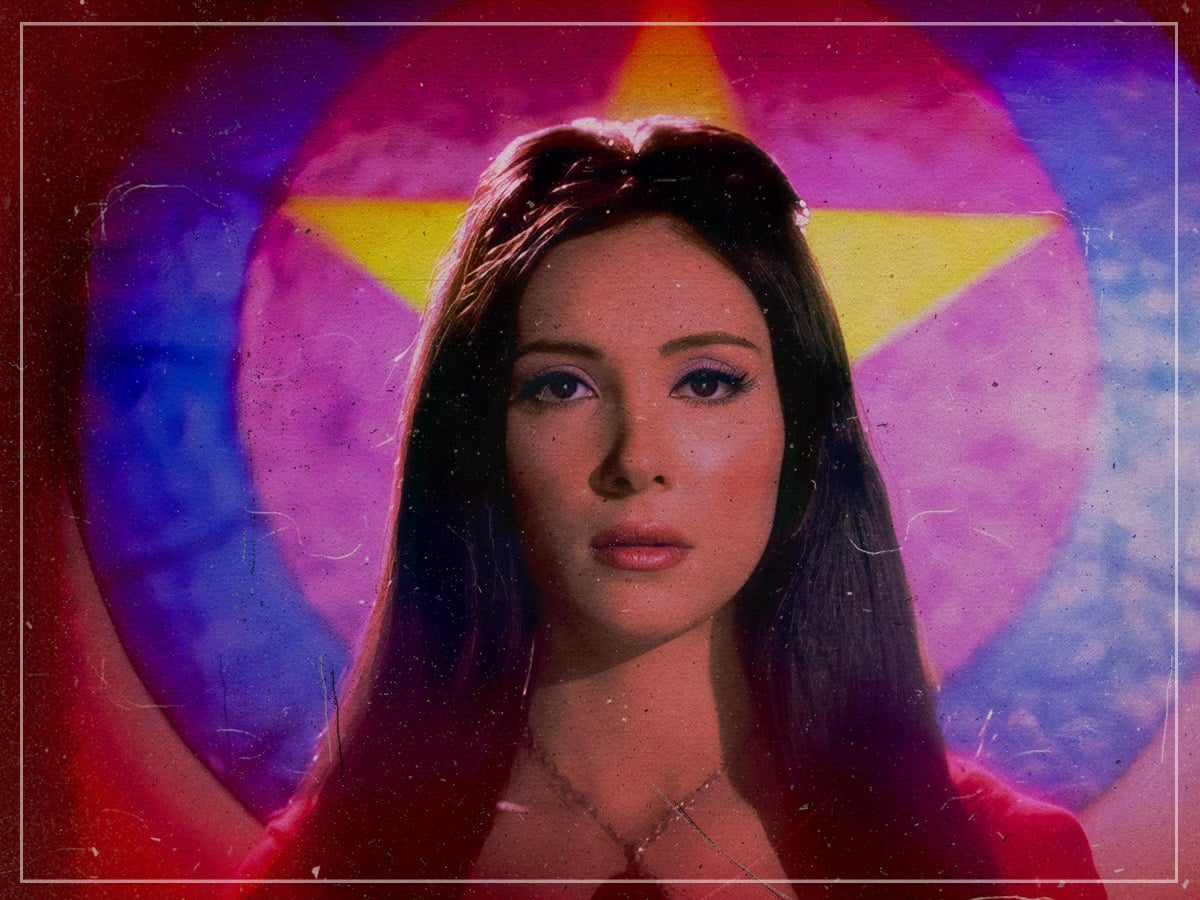
Shooting on a tight budget doesn’t mean you have to make your film look like an expensive student film. Just off the top of my head, some of the most visually arresting horror movies of recent years are all low-budget productions made on less than $1million, like Anna Biller’s The Love Witch or Mark Jenkin’s Enys Men.
Even movies that spent a little bit more (a few million, for example, which is still not much by filmmaking standards), like Gaspar Noé’s Climax and Ti West’s X, are further evidence of using strong visuals to enhance a narrative. A horror film doesn’t have to necessarily look super gritty, but it certainly shouldn’t look like your bog-standard forgettable indie drama.
But Obsession does, as did the various horror movies shown to me during the trailers. That’s not to say that all modern horror movies look like this – just look at The Substance – but I don’t think it would be unfair to suggest that something like Obsession reflects an ongoing trend in the modern horror zeitgeist in which the visual side of things is severely lacking.
And in a genre where visual effects and images that are meant to scare us form such a vital part of the filmmaking process and subsequent viewing experience, I don’t think it’s outlandish to demand more from modern horror. Even Backrooms is visually uninteresting and boring.
There’s a lot of potential to be found in Obsession, but alongside its awkward dialogue, TikTok song soundtrack, and frustrating character development (Bear is such a flimsy excuse for a protagonist that it’s hard to believe that he is a human adult man), it fails to present us with any visuals that actually leave an impact. A dimly-lit, shallow depth of field shot of a woman grinning maniacally just isn’t going to cut it.
