



Fear, fascination, and feminism: Five great horror movies about female sexuality from the 1970s

With the sexual revolution in full swing, cinema became much less sexually restrained in the late 1960s and 1970s, while horror also progressed in tandem to become much more explicit, gory, and socially conscious.
Horror is arguably the greatest genre out there for responding to socially relevant topics, taking the things we fear the most and condensing them into blood-filled metaphors. Thus, with the increase in feminist activism and increasingly liberated attitudes, it wasn’t long before female sexuality became a common theme within the cinematic landscape of rebellious vampires who sucked the blood from those easily bewitched by them and notorious killers with a thirst for revenge.
Historically, the sexually liberated woman has been condemned – especially under religious and patriarchal society – and many of these films depict the fear and fascination wrapped up in the female body, which often seems to pose a threat to the supposedly indomitable power of masculinity. In these films, female sexuality is often a form of rebellion, a transgressive reaction to oppression, whether that be through disregarding tradition in the form of marriage or heteronormativity.
While It’s important to remember that movies featuring female sexuality, nudity, and particularly lesbianism, were even more fetishised in the ‘70s than they are now, I’d argue that the films listed below all depict female sexuality and societal oppression with complexity, subsequently opening up a discussion about the way that women’s bodies are both fetishised and feared.
So, from The Vampire Lovers to Alucarda, here are five great movies from the 1970s about female sexuality.
Five great 1970s horror movies about female sexuality:
Vampyros Lesbos (Jesús Franco, 1971)
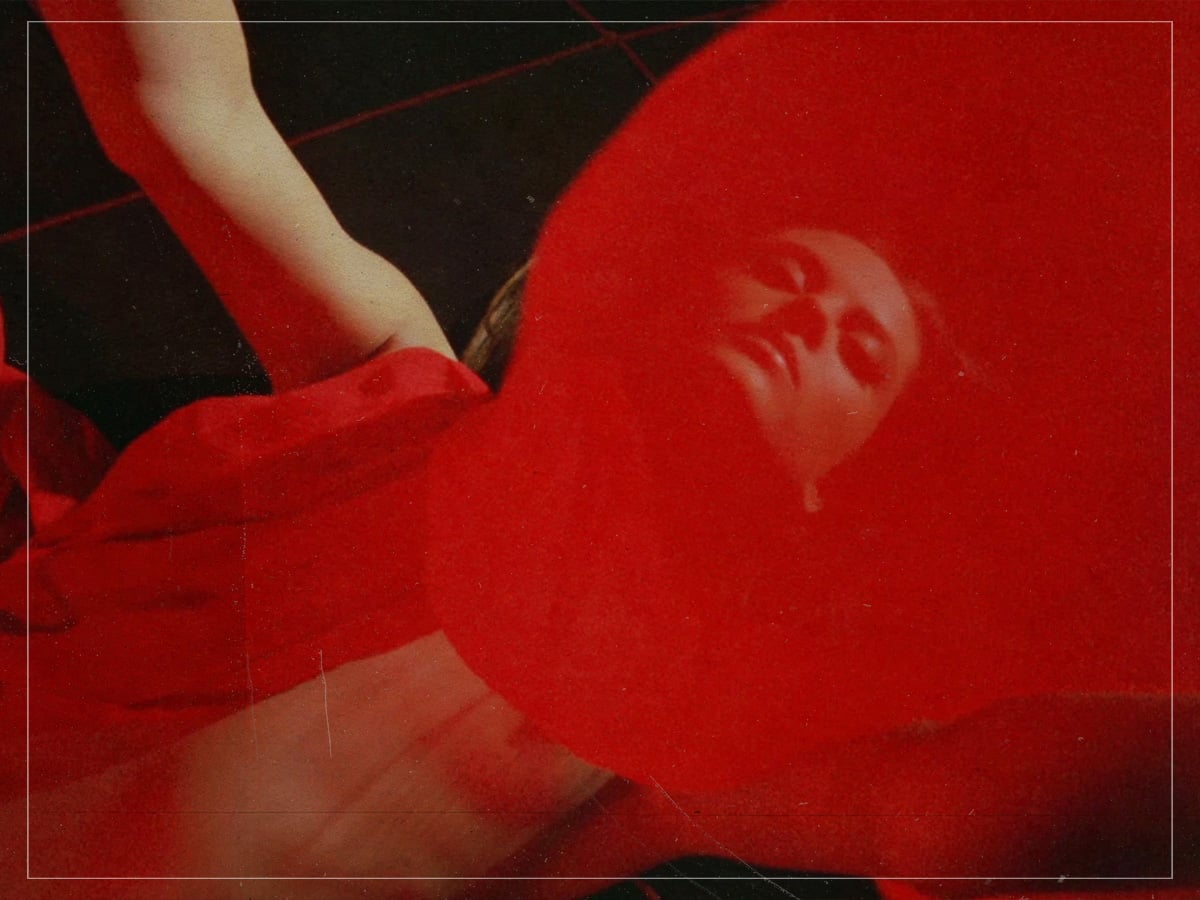
Elusive and hypnotic, Vampyros Lesbos might well be the most surreal movie on this list but its exploration of female sexuality is surprisingly (but wonderfully) poignant. Sure, it might just seem like softcore porn, and maybe that’s what director Jesús Franco intended it to be, but there’s certainly a valuable interpretation to be made here about the fear that female sexuality has the potential to instil within the hearts of men.
The women in Vampyros Lesbos don’t need men to find validation or satisfaction. They find it in themselves or each other. Yet, this clearly ruffles the male characters’ feathers as they do all they can to work against the powerful influence of female sexuality. If you’re a fan of Alain Robbe-Grillet, then you’ll certainly enjoy Franco’s film, which sweeps over you like a drug-induced haze.
What’s more, the film has an incredible sitar-based score, which, paired with neon-soaked eroticism and copious amounts of bright red paint-like blood, creates a dizzying atmosphere that communicates the apparently mystifying nature of female sexuality.
Alucarda (Juan López Moctezuma, 1977)
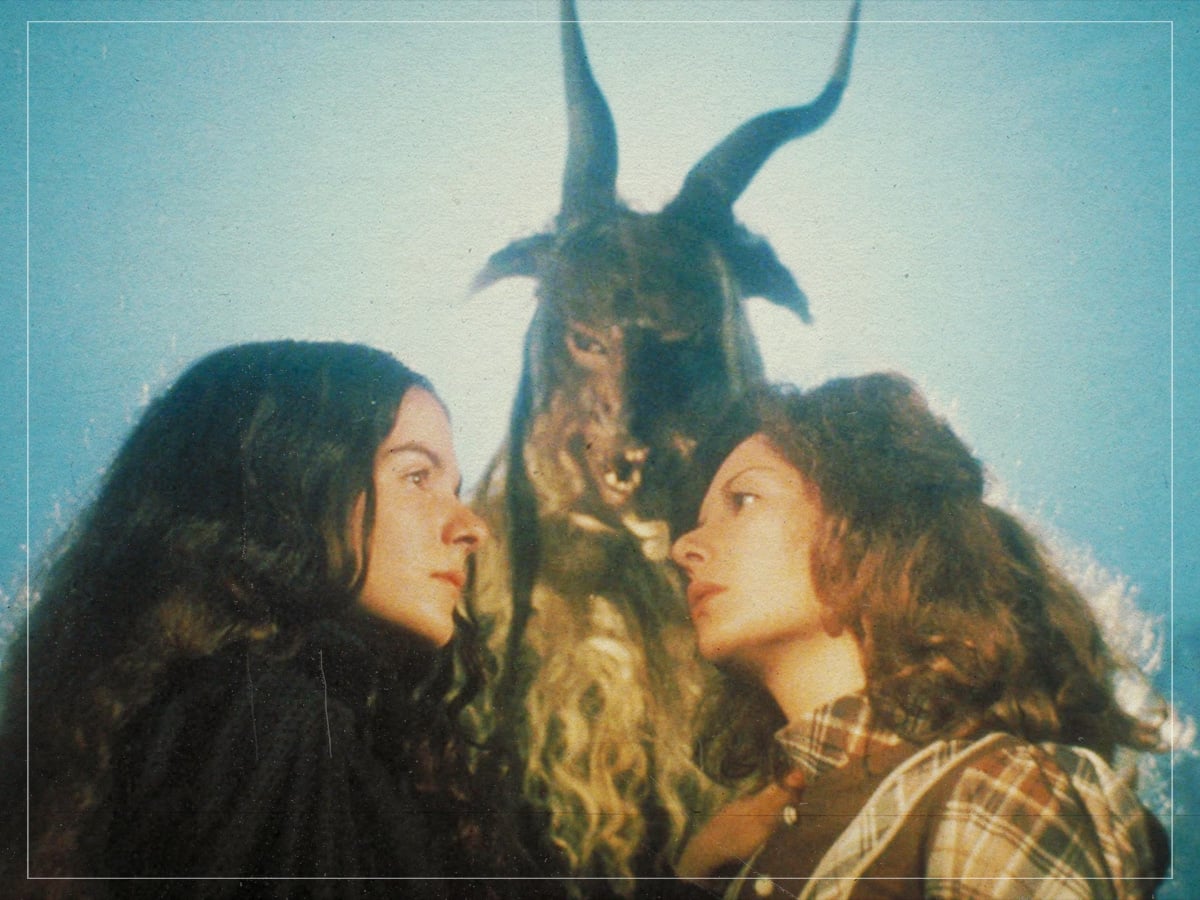
Catholicism has a long history of demonising queerness, and in Alucarda, a Mexican horror directed by Juan López Moctezuma, the passionate relationship between two young women, Alucarda and Justine, is subject to the church’s condemnation of lesbianism. Alucarda isn’t exactly a film about queer relationships, though, with the intense devotion that the pair have for each other – and Satan – turning sexual as a result of their overwhelming desire to reject what is expected of them by society.
It’s hard to tell whether the film set out to be a feminist tale, but its depiction of female sexuality is undeniably linked to a sense of patriarchal rejection. With the church standing as one of the ultimate symbols of traditionalism and convention, it becomes an oppressive force in Alucarda.
There’s an unforgettable scene where the nuns are so horrified by the fact that the girls have ‘fallen into temptation’, especially when Alucarda tries to sexually entice Father Lázaro, that they engage in flagellation as a form of self-punishment. Female sexuality clearly has the power to drive people to unthinkable acts out of guilt, shame, and fear.
The Vampire Lovers (Roy Ward Baker, 1970)
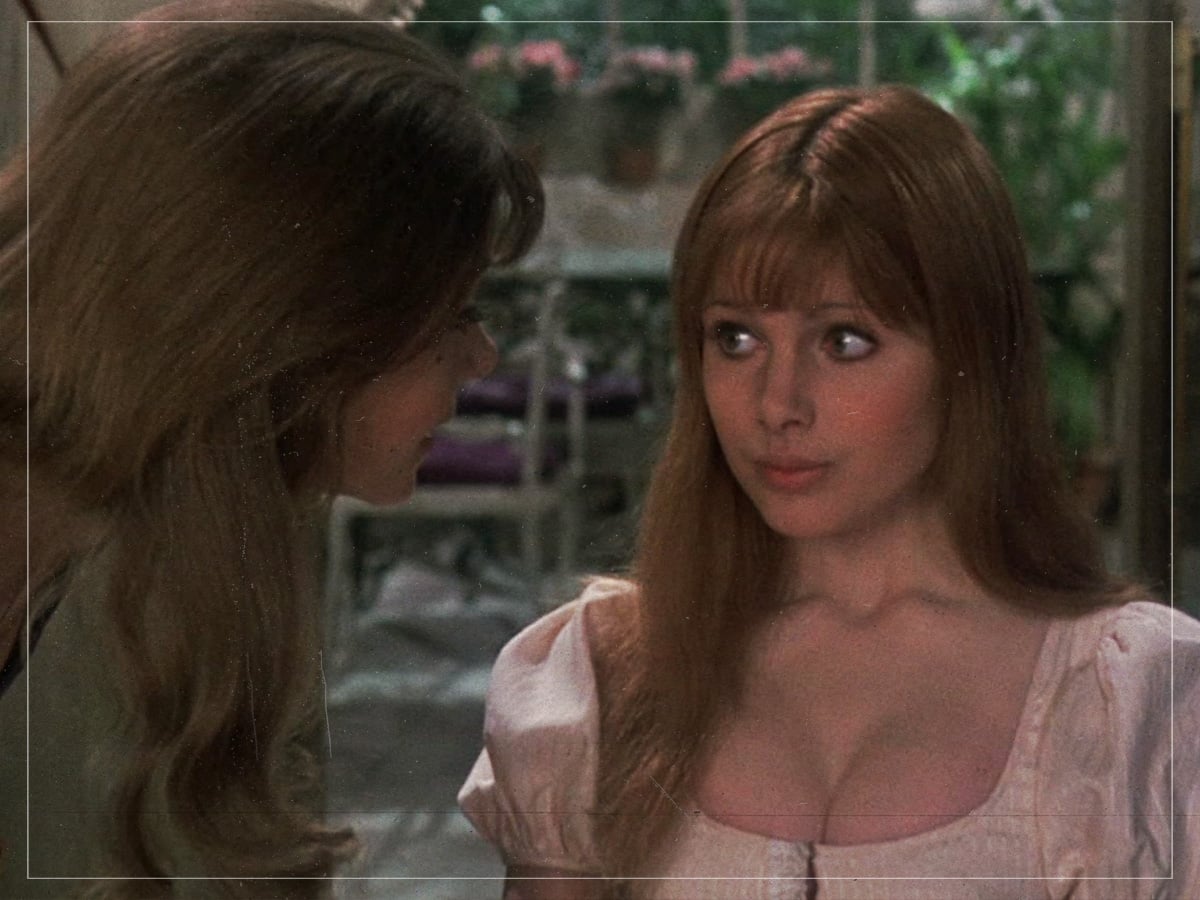
In 1970, Hammer saw the wave coming and leaned into the lesbian vampire craze with their Karnstein trilogy, lifted from Sheridan Le Fanu’s gothic classic Carmilla. The opener, The Vampire Lovers, cast horror legend Ingrid Pitt as the enigmatic bloodsucker – a seductive, magnetic, and confusingly spellbinding. She doesn’t need to overplay it either. In fact, half the thrill is how easily she pulls both the characters (and the audience) under her spell.
While the movie has its campy elements, it’s important to remember the ground it broke by becoming one of the first British films to explore lesbianism. Pitt’s portrayal of Mircalla, Carmilla, and Marcilla – different variations of the so-called antagonist – presents us with a fascinating depiction of how fear and female sexuality, particularly lesbianism, are inherently linked.
Set in the 1800s, the film shows us just how scared society is of those women who fearlessly wield their own sexuality, uncontrollable and unable to be restrained by societal norms. Still, she is ultimately slain – her sexual power too strong to be contained.
The Blood on Satan’s Claw (Piers Haggard, 1971)
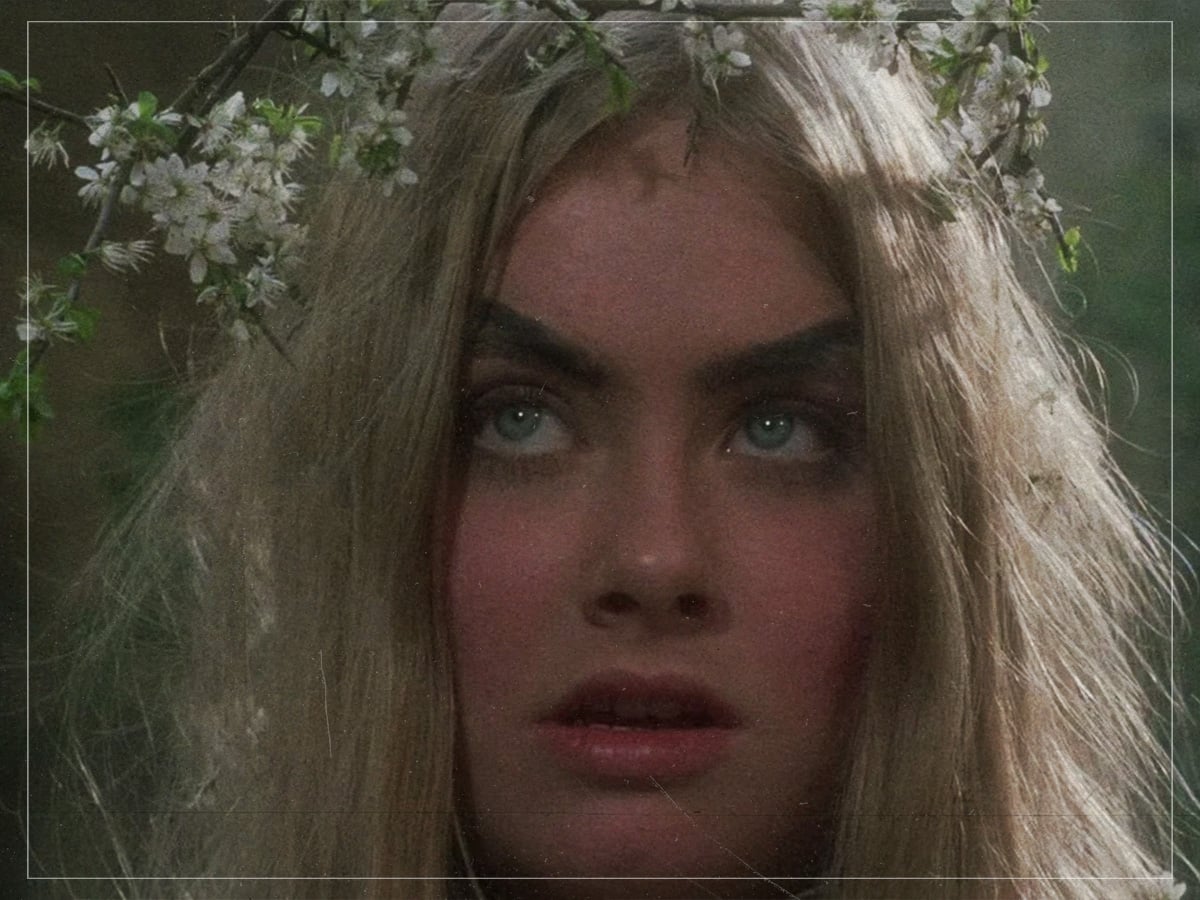
A seminal entry in the British folk horror genre, The Blood on Satan’s Claw is a great film about religious paranoia, but more specifically, the way that this affects women. In Piers Haggard’s film, the presence of the devil is believed to have infiltrated the minds of the young people living in a rural English village, which quickly leads to many women being condemned as witches. Various women are accused of falling into the grasp of Satan, particularly when they try to seduce the religious men of the village.
Solidarity between women is torn apart as suspicion and torture abound, with any woman who fails to fit into the expectation of a submissive, devoted wife subsequently feared and branded evil. Here, sexuality plays a big part in the demonisation of the women, which the villagers link to sin and devil worship.
There’s a sense of rebellion in the young women’s rejection of patriarchal expectations and sexual repression, even if that does result in them accused of being led to temptation by the Devil himself.
Twins of Evil (John Hough, 1971)
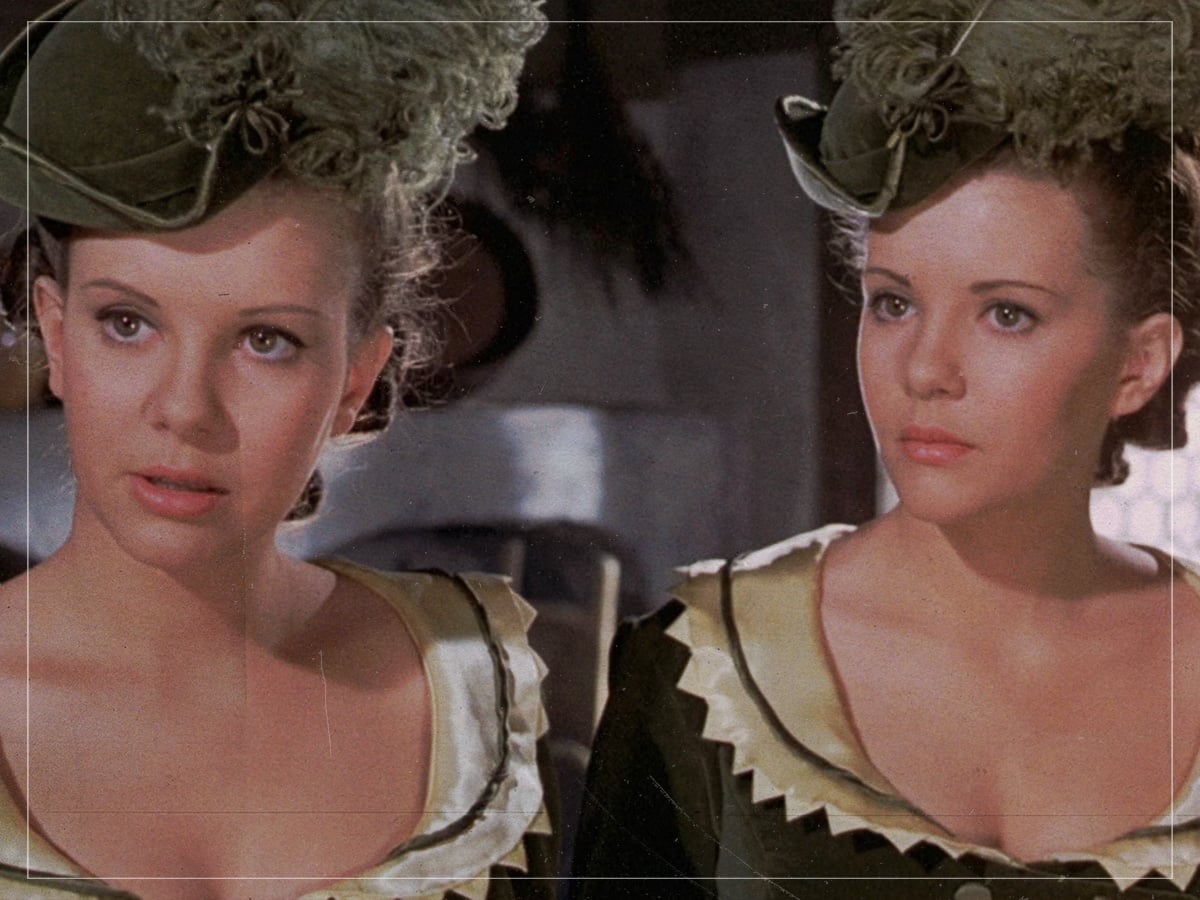
John Hough took on the third instalment in the Karnstein trilogy, Twins of Evil, and it’s too good not to also be included on this list. Starring Madeleine and Mary Collinson of Playboy fame, the pair take on the role of twins that come to represent good and evil. When Frieda gets turned into a vampire, she uses her identical sister, Maria, to help cover for her as she sneaks out to Castle Karnstein, but really, it is Peter Cushing’s witch-hunting character that becomes the most important part of the story.
As the uncle of the twins, his presence shapes the narrative as he viciously sets his sights on any young single woman whom he suspects is possessed by the devil. With his army of men, the Brotherhood, they chastise any woman whose sexuality scares them, burning innocent women at the stake for their apparent evil.
What makes the film so gripping is the way it digs into a time when women could be punished, even killed, just for daring to exist with their own sexual power. At its core sits a raw, uneasy truth that men’s fear of female sexuality, and the brutal, desperate lengths they’ll go to in order to keep hold of control.
