

The real and fictional horror that characterised ‘nu-metal’
Read More


Metal has always been a tricky genre to pin down. Of course, metal music can be explained most simply as ‘heavy guitar music’, and this much would be true. Yet, bands such as Black Sabbath and Deep Purple are considered metal, and they are wildly different from groups like Slipknot or Cannibal Corpse.
After the initial wave of so-called metal in the late 1960s and early 1970s with the likes of Sabbath et al. – though they should really be termed ‘heavy rock’ – a swathe of metal bands emerged throughout the following two decades. The first wave came with a glam sensibility and virtuosity in the form of Van Halen, Judas Priest and Iron Maiden.
Then, in the mid-1980s, metal took on a more aggressive tone with the advent of thrash, with the likes of Metallica, Slayer and Megadeth coming to the fore. This sound would be closely matched to what we conceive as metal today. However, as with many genres, the tropes of their compositions become tired. By the time the 1990s rolled around, audiences had begun to feel the well-worn extensive guitar solos and general ridiculousness of Bon Jovi, Motley Crue, and Alice Cooper had become tedious.
However, the mood of metal – the energy and the darkness – was still an essential output for society to sink their teeth into. Metal had amassed a large following as it allowed audiences to let out some pent-up aggression that naturally comes with the political and social pressures that result from being forever encased inside a human body.
So a new form of metal was required, one that departed from the ridiculous chauvinism of the likes of Metallica and Poison whilst driving forward with unbridled energy and providing lyrical themes that explored the consequences of everyday life. Fortunately, come the early 1990s, that new form of metal was just around the corner.
In 1993, in Bakersfield, California, a new metal band was formed by the name of Korn. They were comprised of Jonathan Davis, James ‘Munky’ Shaffer, Reginald ‘Fieldy’ Arvizu, Brian ‘Head’ Welch and David Silveria. Korn took the familiarity of metal and twisted it around until it resembled something new; heavily detuned guitars, a strange and almost creepy aesthetic appearance and lyrics that explored previously unspoken-of themes of childhood abuse, insecurity and depraved sexuality hitherto. Korn had birthed a new genre: nu-metal.
Korn’s biggest contribution was to lay the extended over-used metal guitar solo in its welcome grave. In nu-metal, displays of excessive showmanship were no longer required; all that mattered was energy and anger.
One of the most significant influences on nu-metal was the rising popularity of hip-hop, particularly on the West Coast of America. Korn’s choice of clothing exemplified this; they would frequently adorn themselves head-to-toe in Adidas and Fubu. Not only this, but the vocal delivery of nu-metal was essentially a combination of metal-style screaming and hip-hop influence rapping.
However, Korn vocalist Jonathan Davis once said: “I never thought of us to be metal to begin with. Yeah, we’re heavy and downtuned, but metal, to me, is like Judas Priest and Iron Maiden. That’s metal, man. I always thought of us as a funk band. That funky, groovy shit”.
Another group from Florida were about to take this point even further in 1994. It was brought together by “just another motherfucker from Jacksonville” Fred Durst, who was joined by Sam River, John Otto, Wes Borland and DJ Lethal in creating Limp Bizkit. DJ Lethal had initially found fame in the hip-hop trio House of Pain, and his addition to the band further showed hip-hop’s influence on the new genre of metal that had started to make waves in America by then.
Durst’s appearance was essentially that of a rapper, with a trademark New Era cap persistently worn atop his head. This contrasted with guitarist Wes Borland’s elaborate physical appearance, with him regularly dressing up in creepy-looking body paint, masks, and latex uniforms. Metal and hip-hop had finally fused.
Nevertheless, Limp Bizkit’s aggressive attitude set them apart from their contemporaries, drawing from both influential genres and adopting a “fuck you” attitude. As Fred Durst once said: “We were the black sheep – or the white sheep. We weren’t quite hip hop; we weren’t quite metal. But we just didn’t give a fuck, and we always tried to say that fairly blatantly. I think that was one of the things that became dislikeable about us”.
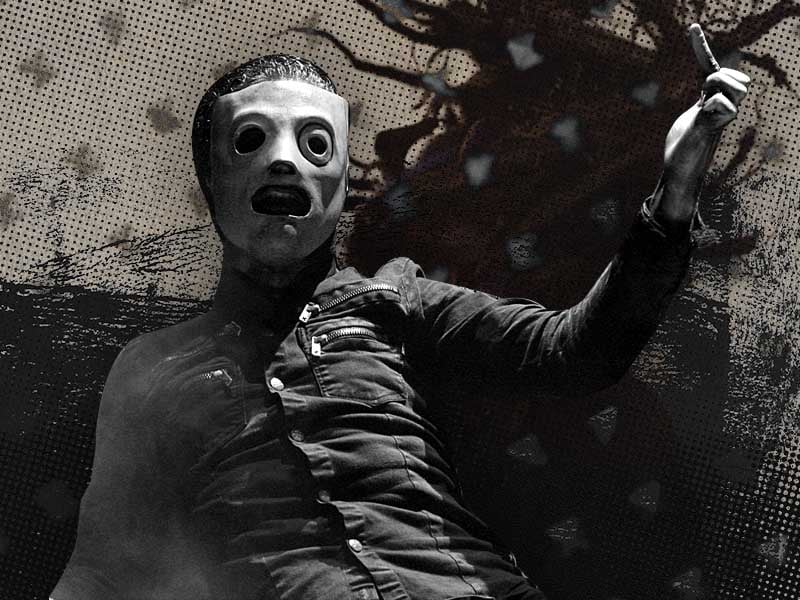
A year after Limp Bizkit formed, nu-metal was about to find its most artistic and darkest expression in the form of Slipknot. The nine members of the band all wore masks representing their individual inner personalities, went simply by the name of ‘number one, number two, etc.’, wore anonymous orange prisoner jackets, and created some of the most aggressive music to burst someone’s ear drums.
Slipknot truly transcended the ridiculousness of the eras of metal gone by, with its mantra of ‘play guitar solos, drink beer and chase women’ sent rightfully down the chute. Slipknot turned metal into performance art, performing truly fucked up acts on stage, including Shawn’ Clown’ Crahan keeping a dead crow in a jar, so he could huff it and vomit on demand whilst performing, just as a quick example.
Whilst Slipknot took the aggression and depravity of metal to new heights; other bands would exonerate the sensitivity and emotiveness that had been starkly missing from metal for the past three decades. Linkin Park’s Chester Bennington wrote lyrics that often explored the tragic consequences of poor mental health, and the band would also continue the theme of rapping to metal tracks with Mike Shinoda and turntabling with Joe Hahn.
Several other nu-metal bands would follow suit, combining metal with hip-hop, exploring deeper societal issues in lyrics – essentially hip-hop – and eschewing the well-trodden path of the virtuosic showman. These include, but are not limited to, System of a Down, Papa Roach, Disturbed, Deftones, P.O.D. and Godsmack.
Nu-metal turned out to be a wildly popular genre. The reason that the albums sound so good even today is that millions were spent on their production. People were buying it, as its pioneers had brought fans of two distinct genres and got them to get down with just one kind of music.
Nu-metal’s legacy will live on. As society casts a nostalgic eye toward the music and fashion of the late 1990s and early 2000s, we are likely just years away from some kind of nu-metal revival, though I hope, for artistry’s sake, that it never comes, and we let sleeping dogs lie, just for once.
