


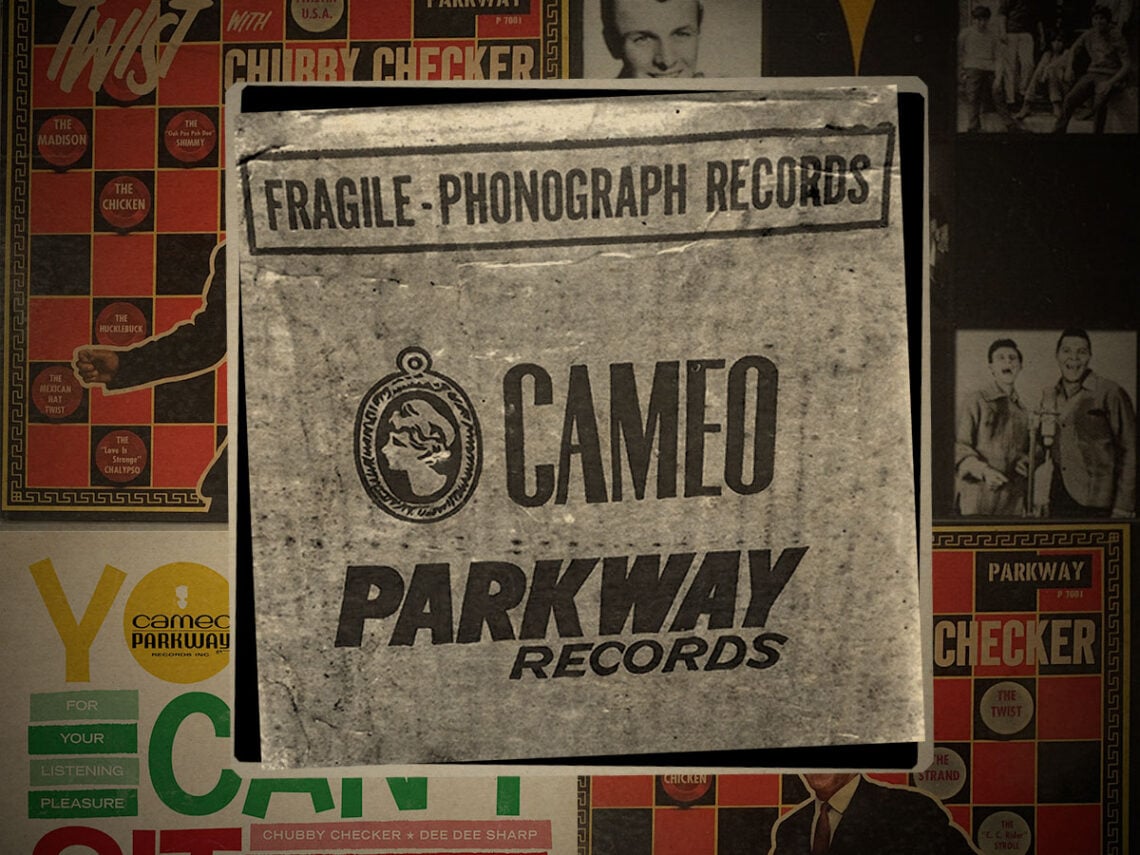
From R&B tastemakers to northern soul obscurities: The rise and fall of Cameo-Parkway

Volatility is something that is to be expected within the perpetually shifting sands of the music industry; you could be riding high at the summit of cultural relevance one moment, only to find yourself in the ruins of obscurity the next.
It is, as the great Les McQueen once declared, a shit business, and that’s something that the R&B institution Cameo-Parkway had to come to terms with during the 1960s.
1956 was the year that Cameo first emerged, the joint venture of songwriters Bernie Lowe and Kal Mann, fresh from the success of providing Elvis Presley with the track ‘(Let Me Be Your) Teddy Bear’ – which, admittedly, was not one of The King’s greatest efforts. With Lowe and Mann at the helm, though, the label had the immediate advantage of being attuned with the blossoming worlds of rock and R&B.
Whereas the likes of Columbia or Okeh Records had origin stories going back to the days of wax cylinders and gramophones, Cameo had its finger on the pulse of American culture.
Parkway arrived two years later, initially as a subsidiary of the original label, and thus Cameo-Parkway was born, and it immediately set about capturing the revolutionary sounds of their surrounding Philadelphia and making them into nationwide hits. During their early years, at least, Lowe and Mann certainly achieved those aims.
Perhaps the greatest asset of Cameo-Parkway during that fleeting golden age of the late 1950s was Chubby Checker, who was signed up in 1958 after recording a few impersonations of the rock stars of the day, including the aforementioned Elvis Presley.
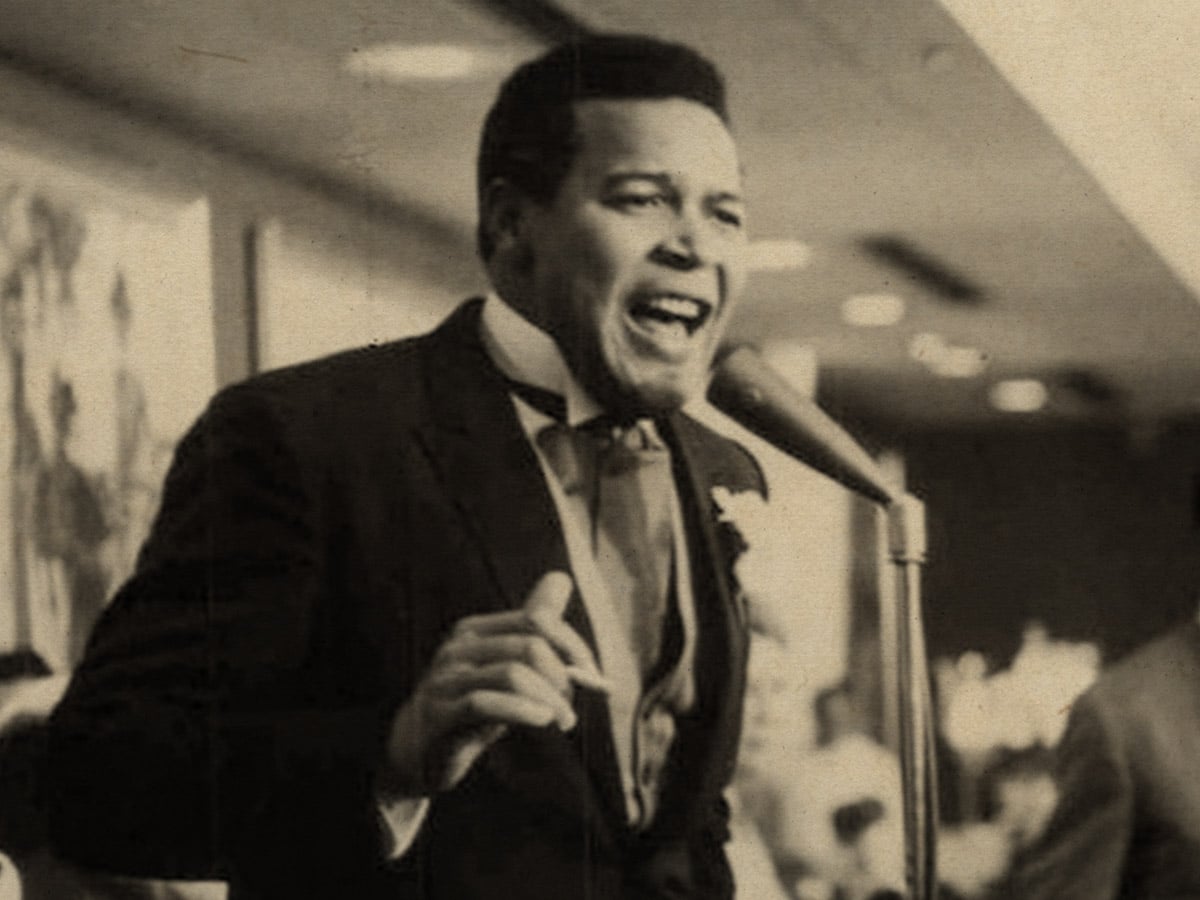
His first single for the label was the instantly forgettable ‘Schooldays, Oh, Schooldays’, but, shortly thereafter, the label struck gold with ‘The Twist’ – a song which had such an omnipresence in 1960 that it spurred on the creation of thousands of other songs, of varying quality, aiming to launch their own trendy dance moves.
Not only did ‘The Twist’ make Checker a household name, but it alerted the entire world to the output of Cameo-Parkway, which was entering a particularly prolific time in its history. Perfectly positioned in Philadelphia, the label was able to poach talent from American Bandstand, which was recorded in the city, and it didn’t take long for them to monopolise all the rock, soul, and R&B talent in the entire state of Pennsylvania and beyond.
Cameo-Parkway was such a success, in fact, that they became one of the few independent American labels to strike a distribution deal in the United Kingdom, where their releases were spread under the initial banner of Parlophone – the imprint that first launched The Beatles into the collective consciousness.
It is ironic, then, that The Beatles would go on to be – at least partly – responsible for Cameo-Parkway’s downfall. While the label was riding high on the wave of America’s R&B mastery during the early part of the 1960s, they failed to see what Paul Revere had declared in 1775: the British were coming.
Along with the British invasion period, which immediately rendered all American rock and R&B outfits virtually obsolete – and therefore decimating Cameo-Parkway’s roster – the label also had to reckon with the fact that, like everybody else in the entertainment industry, American Bandstand was moving to Los Angeles in 1963. Suddenly, the label found itself without its golden goose and without the cultural relevance that had first put them on the map.
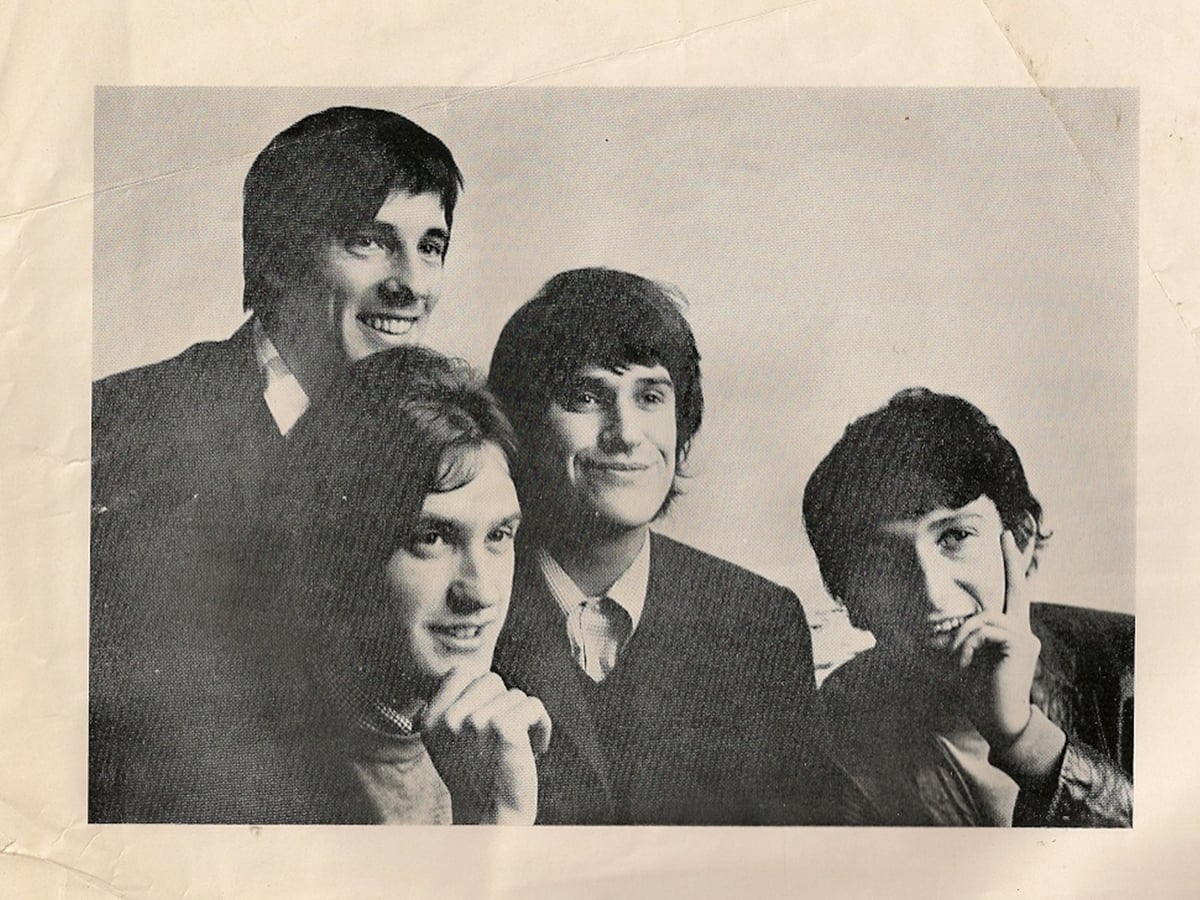
To their credit, the label did try desperately to adapt, going as far as to license the first two singles by premier British Invasion outfit The Kinks for US release. As luck would have it, though, Ray Davies’ first two tracks flopped on both sides of the Atlantic, and Cameo-Parkway didn’t stick around for the third, ‘You Really Got Me’.
Meanwhile, the small enclaves of the US pop charts, which remained rooted on American soil, had been occupied by Berry Gordy’s Motown Records – younger and wealthier than the Philadelphia label, and with an ever-expanding roster of now-iconic R&B heroes. The writing was on the wall, and so Bernie Lowe sold his share of the label in 1964, setting the ball rolling for the dissolution of Cameo-Parkway.
By the time the summer of 1965 rolled around, none of Cameo-Parkway’s original team was left at the label, and so it spent another few years treading water. There were sparks of success, particularly with the greatest garage rock one-hit-wonder of all time, ‘96 Tears’ by Question Mark and the Mysterians, but these were too little, too late.
The final Cameo-Parkway release, Evie Sands’ mod soul favourite ‘Billy Sunshine’ hit the airwaves in 1968, by which time the label had already closed its doors, its existing discography sold off to the rock and roll vulture that was Allen Klein and ABKCO Records. Although Philadelphia’s greatest R&B outlet was allowed to succumb to a rather depressing end, the story of Cameo-Parkway doesn’t end quite there.
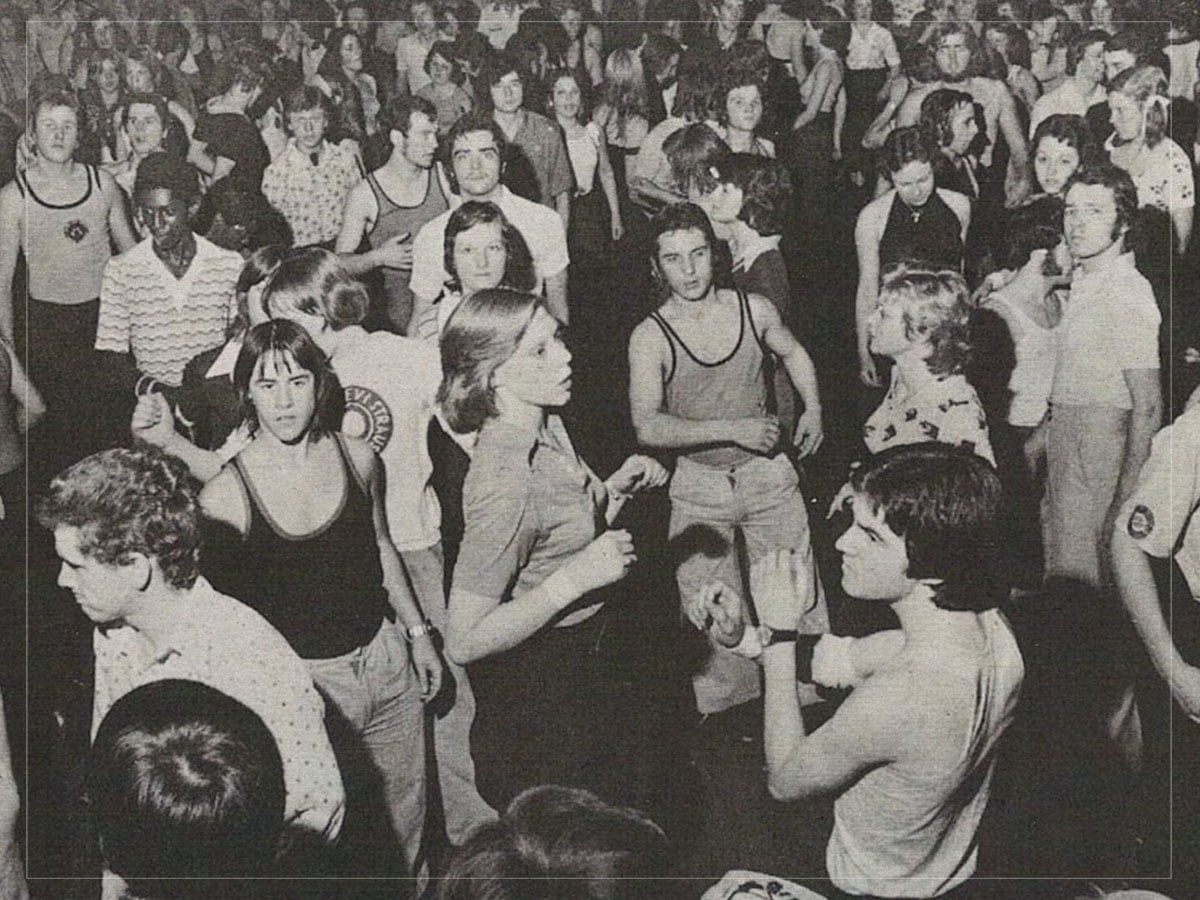
In the years that followed its dissolution, many of the ignored, overlooked, and impossibly obscure soul records that the label had desperately put out in the mid-1960s, as a part of their losing battle against Motown, became coveted within the northern soul scene in England, where anthems like Bobby Paris’ ‘Night Owl’, Yvonne Baker’s ‘You Didn’t Say A Word’, and even forgotten Chubby Checker records like ‘You Just Don’t Know’ found an entirely new audience in the form of amphetamine-fueled youths in the unlikely surroundings of Wigan, Blackpool, and Manchester.
It is only thanks to those Wigan Casino soulies, in fact, that Cameo-Parkway still exists in some form today. Allen Klein, never being one to miss an opportunity, started churning out reissues of Cameo-Parkway releases to appease this bizarre subculture of northern soul as far back as the 1970s, and ABKCO is still taking in royalties from northern soul compilations to this very day.
Cameo-Parkway’s tombstone might read 1956-1967, but the sounds it unleashed during those golden years back in Philadelphia lasted far beyond the summer of love. The music industry might be a fickle beast, but northern soul fans tend to make their allegiances early and stick to them forevermore.
