


“Mistakes and misfires”: the classic 1977 song Neil Young worried he had ruined

Rock and roll isn’t designed to sound perfect. Despite all the endless reissues, Neil Young knows this all too well.
The analogue star has often lamented the fact that there are a lot of musicians who are now born into a world based on click tracks that make all songs sound seamless in Pro Tools, but the magic behind the biggest names in the 1970s was that it often sounded like everything could break down at any moment.
Young normally prefers his music to be a little bit more ramshackle than most. As he put it, “My music isn’t anything but me. It has jazz in it and rock ‘n’ roll, and it has an urgency to it.” But he admitted that his performance on ‘Like a Hurricane’ was probably a lot less precise than he probably wanted despite the 1977 track now residing as a beloved classic.
He noticed the ‘errors’ from the off, but Young was never one big on editing all that much. While he certainly had quality control over everything that he was working on, there were just as many moments where it felt like he was just winging it half the time, including albums that were designed to piss people off, like Everybody’s Rockin’. There, having “urgency” in the mix was key. In fact, when you’ve released nearly 50 albums, you kind of can’t do that without urgency being part of your make-up.
When working on American Stars ‘n Bars, though, Young was still in the golden age of what Eddie Vedder would call his “mountain funk” era. Despite coming out with the heaviest of the 1970s on Rust Never Sleeps, projects like Zuma took what he was doing on Harvest and brought it back to Earth, almost like you were peeking in on a jam session rather than getting the full experience of a studio album.
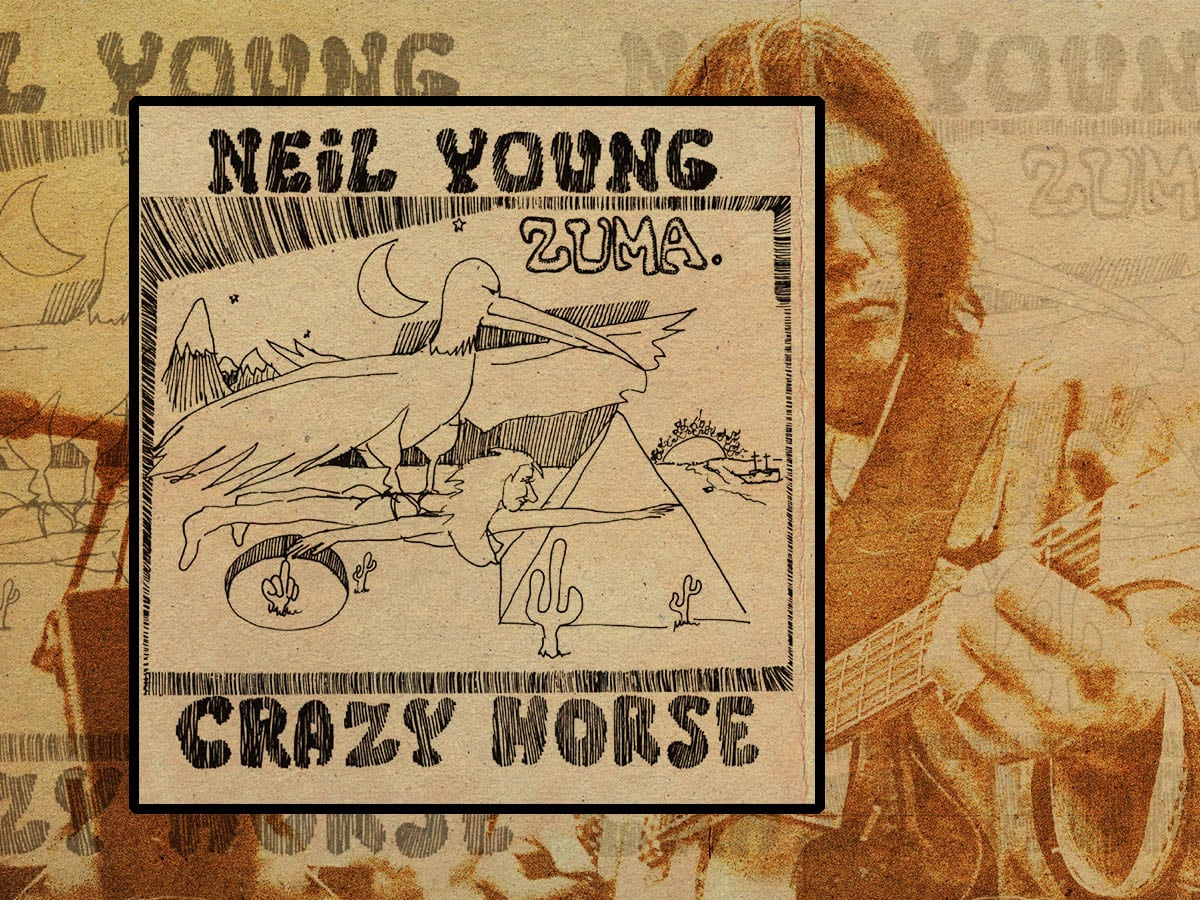
It’s easy to get that same energy on this album, with Young working off of Crazy Horse every time he plays a tune. Although ‘Like a Hurricane’ has all the makings of a great Neil Young song and even has his signature black guitar that he used on Rust Never Sleeps, he thought that the whole thing was mangled by letting him take a solo.
Young has his own unique vocabulary when it comes to taking a lead break, but he admitted that it was a bit too rough around the edges on ‘Like A Hurricane’, saying in Waging Heavy Peace, “‘Like a Hurricane’ is probably the best example of Old Black’s tone, although if you listen too closely, it is all but ruined by all the mistakes and misfires in my playing. That was a memorable recording, though, for the feeling that comes out of our instrumental passages.”

Then again, it’s hard to really call what Young did hear a “failure” in the truest sense. Are the notes always precise? Not really, but that’s not really the point. A recording like this is supposed to document emotion as well as instruments, and even if not everything is perfectly in tune, it still sounds like a band at their wit’s end trying to get the best out of each other.
Besides, it was roughshod from the start. When Young brought the song to a Crazy Horses session, all he had was two lines written on an envelope: “You are like a hurricane, there’s calm in yer eye.” From there, the scribble flourished into a thing of deeply imperfect beauty. And it remains timeless all these years later.
Granted, it’s also hard to tell when Young’s style stops and sheer chaos begins. Take a song like ‘Rockin’ In the Free World’, for instance. That tune is probably one of the most enduring statements that any rock and roll artist has ever made, and yet the lead break veers halfway between a strange improvised solo and that kind of freakout that a guitarist would pull out of themselves after having one too many drinks.
It’s nice that Young can at least look at the few mistakes left in his classic tracks, but this is far from a botched take. It’s just another example of an artist being human, and since the rest of the world would be drifting towards technical guitar players after this record came out, it’s refreshing to hear someone play like they’re teetering on the edge of chaos every now and again.
It perfectly aligns with the way that the song came about. “I played that damn thing through the night,” Young wrote in Waging Heavy Peace. “I finished the melody in five minutes, but I was so jacked I couldn’t stop playing.” You can hear that ferocity in the song, one of his finest of the rough and ready late ‘70s period.
