


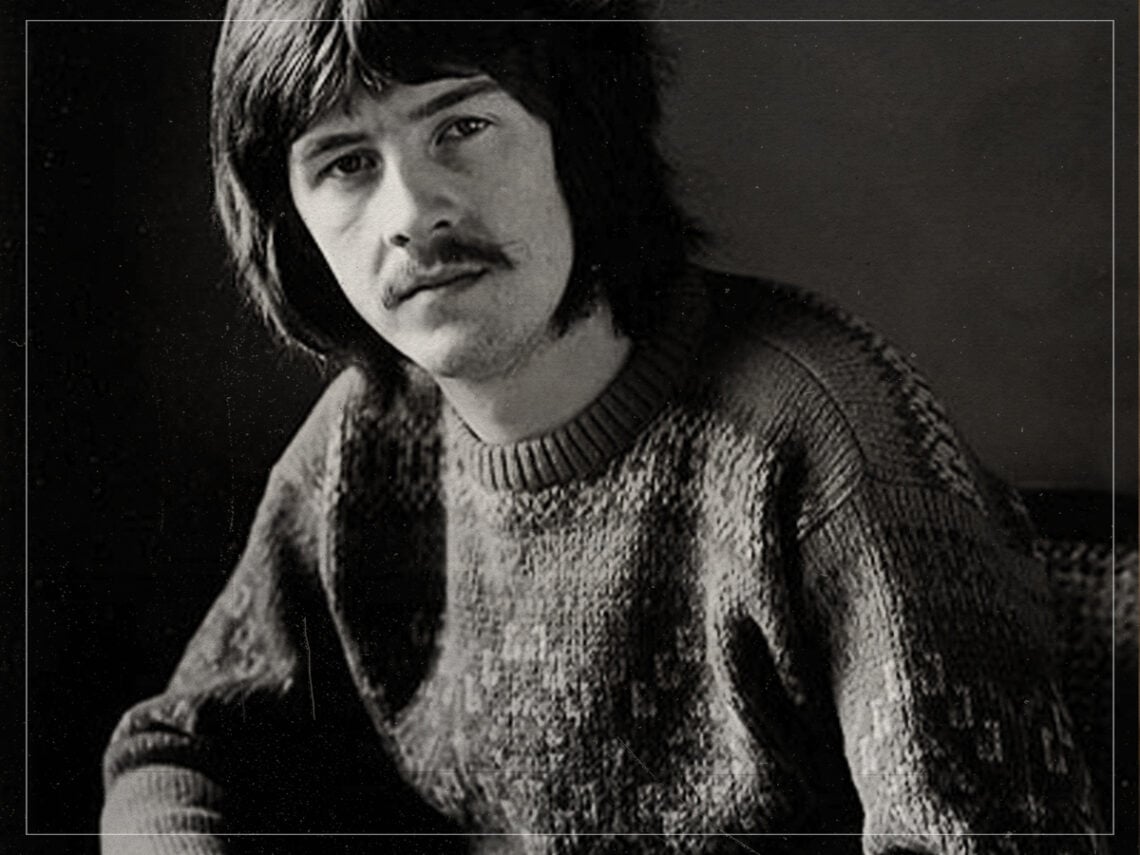
“Many have tried”: the 1971 John Bonham groove that remains unmatched

The roar of John Bonham is unparalleled. With groove, thunder, and intricacy, he reinvented the role of a sticksmith in rock.
A drummer’s job tends to be a thankless task in rock music. Although most people see the percussionist of any band as expendable, the fact that they can lay down a groove and control the entire song from the inside out is the kind of finesse that takes years of practice to truly master.
While Bonham became a genius through brute force in Led Zeppelin, a force that Keith Richards would question as out of control, Robert Plant would beg to differ with the Stones man, and he still believes that the measured drum groove of ‘When the Levee Breaks’ was something that only Bonzo could pull off.
Then again, it’s not like the basic rhythmic pattern of the song is all that special. The final track off Zeppelin’s untitled record is certainly a heavy piece of brilliance, but that basic shuffle is something that a lot of drummers can start off with to get a groove going before graduating to more ambitious pieces like ‘Rosanna’ by Toto.
But it has less to do with the technique and more to do with the feel put into it. Outside of having to keep tempo with Bonham’s groove, the fact that they put copious amounts of echo on the final track just makes it feel like it’s a monster stomping across the land, or better yet, those titular flood waves that are about to envelop the town.

If anything, this is a more straightforward version of what Zeppelin was used to. During their prime, Plant prided himself on being in a group that could take their sound in different directions musically, saying, “My daughter’s boyfriend started telling me that part of ‘Black Dog’ was a mistake because there’s a bar of 5/4 in the middle of some 4/4. Well, my dander was up at that, so I pulled out the record and plonked it on and said, ‘Listen, you little runt, that’s no mistake. That’s what we’re good at.’”
Bonham could have easily played something intricate like he had been doing across the record like ‘Four Sticks’, but sometimes it’s better just to let the song play you than the other way around. Compared to the Memphis Minnie original, Bonham plays like a man possessed on this song, almost like he’s trying to paint a picture of how he’s leaning into the rhythm, always crashing in whenever Page enters with those guitar stabs.


For all of the great drum tunes Bonzo has performed on, Plant still thought this was one of his crowning achievements, saying, “‘When the Levee Breaks’ was a giant step. Nobody other than John Bonham could have created that sex groove, and many have tried.” There’s no doubt that some have tried to match that sleazy energy, but some of the best musicians of the modern age didn’t even bother trying.
As Jason Bonham said of his father’s performance on the blistering 1971 track, “It’s the drum intro of the Gods. You could play it anywhere, and people would know it’s John Bonham.” Indeed, it captures his bluster and brooding mix perfectly, a mix that Dave Grohl described as thrilling because you “didn’t know what was going to happen next – like he was teetering on the edge of a cliff.”
The former Nirvana drummer continued, “No one has come close to that since, and I don’t think anybody ever will. I think he will forever be the greatest drummer of all time.”
In the world of hip-hop and beyond, ‘When the Levee Breaks’ has been a fixture of sampling ever since the first days of scratching records. In fact, this might be one of the most sampled drum breaks this side of James Brown’s ‘Funky Drummer’, being used on everything from ‘Rhymin’ and Stealin” by Beastie Boys to Beyonce using it on the song ‘Don’t Hurt Yourself’ with Jack White.
Or maybe the endless sampling is just a case of every artist playing it safe. Because even if you get one of the greatest session players alive into the studio to create that kind of groove, no one is going to equal the magic of what the booming Bonham did effortlessly naturally.
He might have solo’d better on ‘Moby Dick’, and maybe ‘Four Sticks’ is more complex, but as far as groove goes, perhaps Plant is right that ‘When the Levee Breaks’ remains unmatched despite how many people have tried.

Never Miss A Beat
The Far Out Led Zeppelin Newsletter
All the latest stories about Led Zeppelin from the independent voice of culture.
Straight to your inbox.