



The 16th-century song that made Elvis Costello recognise Jeff Buckley’s genius: “He’d taken it into his own world”

While there’s plenty of good reason to debate whether Elvis Costello was a true punk or not, one thing that can’t be taken away from him, however you want to look at it, is his ear for a well-constructed song.
In his own creations, whether that’s in the new wave, punk or country styles that he has so frequently adopted, Costello is still able to include many of his own sensibilities that have always made him stand out from his contemporaries, and his ability to forge melodies is often overlooked when placed in the context of the genres he has inhabited.
However, he’s always been just as good at recognising this in others rather than simply applying it to his own work, and when another songwriter or performer has taken the initiative to create something that looks beyond the basic expectations of a genre and tries to make something transcendental, Costello is likely to be a huge appreciator of it.
During an interview with Mojo in 1997, published shortly after the untimely death of Jeff Buckley, Costello offered his thoughts on the mercurial talents of the songwriter, arguing that there were few others who were able to understand the inner workings of composition like him, and that he hoped he would be regarded in this way after his passing rather than as a tragic figure.
“I hope that people who liked him resist the temptation to turn his life and death into some dumb romantic fantasy,” Costello opined, “He was so much better than that”.
Costello continued by stating that one of Buckley’s greatest strengths lay not in the fact that he was an exceptional songwriter, but a stunning interpreter of songs who had an unyielding curiosity for discovering music and trying to transform it into something that suited his own style. While his sole album, Grace, is full of examples of Buckley doing this with sublime results, Costello picked out one particular example that stood out to him.
“Not everyone can get up and sing something they take a liking to and make it their own,” Costello argued, “‘Corpus Christi Carol’ was a completely conceived interpretation. I’d never heard the piece before, and when I heard the original, I realised what Jeff had done was even more amazing. He’d taken it into his own world.”

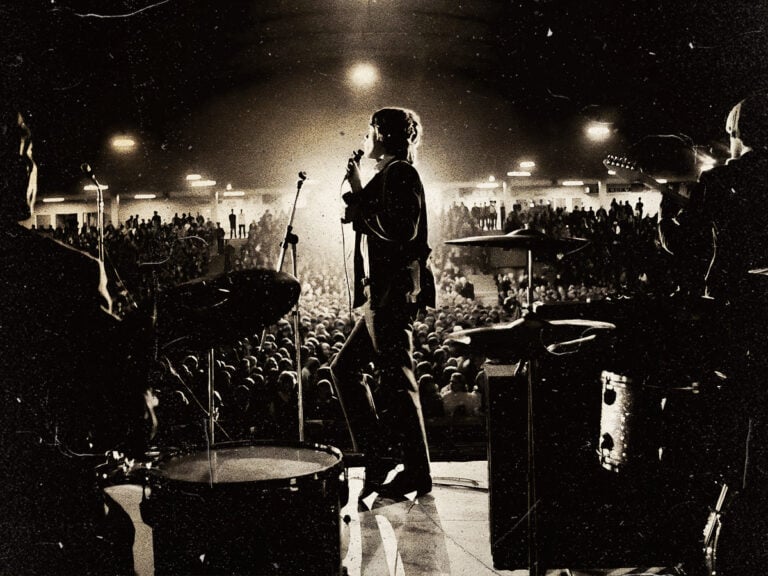
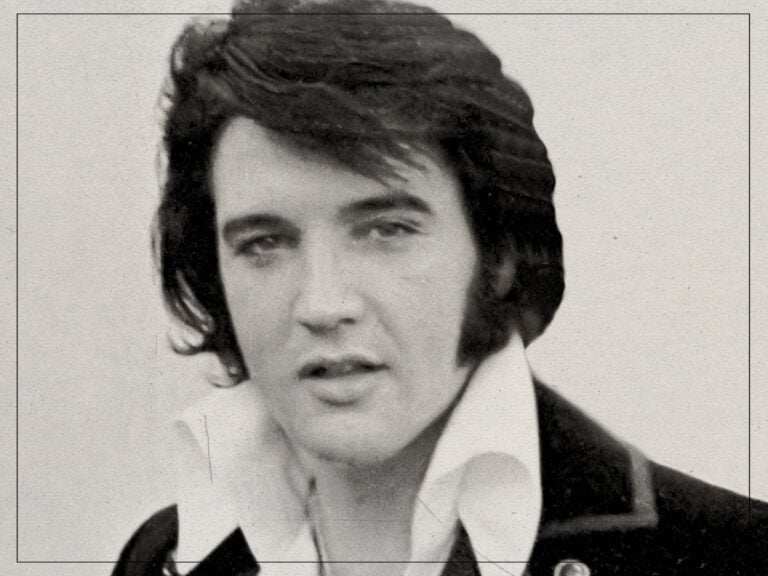
While the song’s origins supposedly date back to the early 16th century, having initially been transcribed by British greengrocer Richard Hill but coming from an unknown source, this hymn is completely altered when performed by Buckley, who gave it a modern feel while still remaining relatively faithful to the traditional song. “That’s something my favourite classical musicians can do,” Costello continued, “be themselves but use all that expertise to make the music more beautiful. Jeff did that naturally. Only a handful of people are capable of that.”
A truly magnificent artist taken from the world too soon, and with an uncanny ability to transform others’ songs or even older compositions into his own mind-bending versions that showcased his singular talent, it’s a shame that there aren’t many more examples of this from Buckley that listeners can lose themselves in. However, whether it’s Nina Simone, Leonard Cohen or choral works, what Buckley could do with a song was unlike anything any other artist of his generation could offer.

Never Miss A Tale
The Far Out Classic Rock Newsletter
All the latest Classic Rock content from the independent voice of culture.
Straight to your inbox.