


Robert Smith was about to give up, then he made ‘Pornography’

When Robert Smith recently revealed that the next three The Cure albums were on their way, he explained that one leans towards the more “dismal” Cure material while the other is more “my idea of Cure Pop”.
If you were to look at the trajectory of Smith’s career, you’d probably notice that he’s walked the same tightrope since day one. And each time he swings one way or the other, like the more dark throughlines of Disintegration compared with the commercial pop leanings of Wish, his reflections prove that these tones are more a matter of circumstance than the active pursuit of a certain style.
As he later said about Wish, the line-up did everything they could to make the record as successful as it was, and “the fact that it all kind of fell apart was a good thing”.
He added, “It was one of those haphazard, serendipitous things that worked in our favour.”
He took a similar position when he recently discussed his upcoming records. The one that has more of a pop tone, for instance, ended up that way because it’s what felt right, and also likely because that’s sort of the associations he’s been making over recent years, even if he insists that its sound and style have nothing to do with any such collaborations.
But the point is that these shifts are what make Smith so interesting. After all, some of his best or most adventurous sonic shifts have occurred when either he or the band has been on the brink of collapse, whether mentally or literally, with the music becoming his own personal conduit for exploring all the things he’s experiencing at any given moment.
Pornography, for instance, came at a time when Smith was quite literally at his wits’ end. At the time, the band were struggling with internal tensions due to drug abuse and rock ‘n’ roll excess, while Smith was battling his own depression, all of which was channelled into the record’s content, giving it that familiar Cure-esque darker, edgier, and grittier feel.
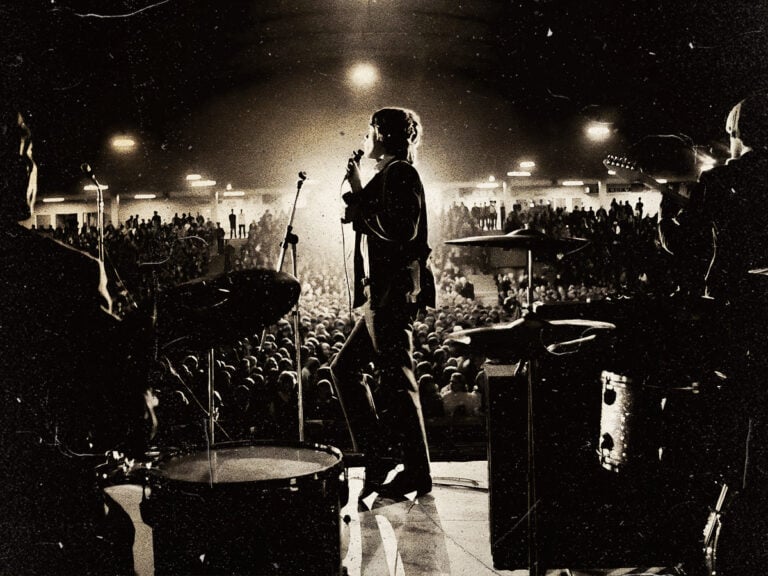
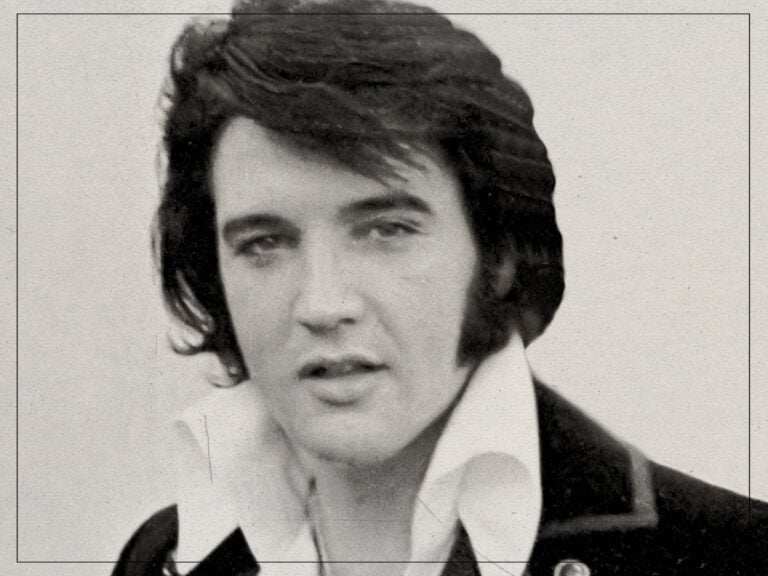

In Smith’s view, things were so bleak during this time that he was faced with two choices: either “completely giving in” to his depressive urges or “making a record of it and getting it out of me”. Existing on the cusp of completely giving up, he instead allowed this darkness to fuel the entirety of Pornography, initially intending it to be his swan song. Or, as he put it, his chance to “make the ultimate ‘fuck off’ record, and then sign off”, a capturing of the “monstrous” period Smith was enduring at the time.
Naturally, then, the album appeared to be Smith’s most self-critical yet, with lyrics that channel the type of mental anguish and entrapment he was feeling at the time, when he was ready to completely give up. Some found this to be overkill, arguing that Smith hinging too heavily on his own nihilism translated to an overarching dullness that made the record too mellow or boring to enjoy.
But that overarching darkness is also a reason why it’s now considered one of the band’s defining masterstrokes, presenting a significant piece of The Cure’s journey and Smith at his lyrical best. Although he quite literally went through hell to make it as good as it was, it also marked a turning point for the so-called ‘Goth’ new wave, inspiring countless others to be more brutal in their honesty as they made their own masterpieces of unfiltered self-loathing.
