


The musician Stevie Nicks knew would “live on forever”

Being in a band with the size and scope of Fleetwood Mac wasn’t something that Stevie Nicks ever took lightly.
The whole point was to make music that connected with people, and even though she and Lindsey Buckingham only had one album under their belt when they decided to join, there was so much potential when they first started jamming with the other members in the mid-1970s. There was already so much laying at their feet, but Nicks knew that there were certain pieces that were missing as well.
Granted, a lot of what Nicks wanted out of her own music wasn’t going to work unless she had the right arrangement around it. Buckingham had that job when they were fine-tuning their songs in Buckingham Nicks, but when most of her tunes stopped sounding the way that she heard them in her head, it didn’t take long before she got another band together and put together the kind of solo career that anyone else would have killed for.
Because as much as she loved the idea of staying with the band, she knew that she could balance everything out as well. She was not going to be the one person who ended up breaking up the band for good, and the most that she could hope for was making the kind of record that she could be proud of and move back in with her band for her next record. But she needed a lot more than space when working with some of her bandmates.
She and Buckingham could get into screaming matches on the regular, and even her affair with Mick Fleetwood didn’t exactly end perfectly, but she did get to learn pieces of their history along the way. It was bad enough dealing with all the conflicting opinions and egos in the band at the time, but when you compare it to the tragedy that came with losing Peter Green, they were doing just fine.
Green was supposed to be the person who ushered them into new territory, but his genius guitar playing was only matched by his staggering decline in mental health. There was too much going on with him when he succumbed to the effects of LSD, and when he did eventually manage to find his way out of that darkness, he was a completely different person who didn’t find any joy in people liking his music anymore.
His charisma seemed to vanish, and while Nicks never got to perform with him, she did carry a tinge of regret over losing such a brilliant force in music, saying, “I always hoped in my heart of hearts that that would happen. When I first listened to all the Fleetwood Mac records, I was very taken with his guitar playing. It was one of the reasons I was excited to join the band. His legacy will live on forever in the history books of Rock n Roll.”
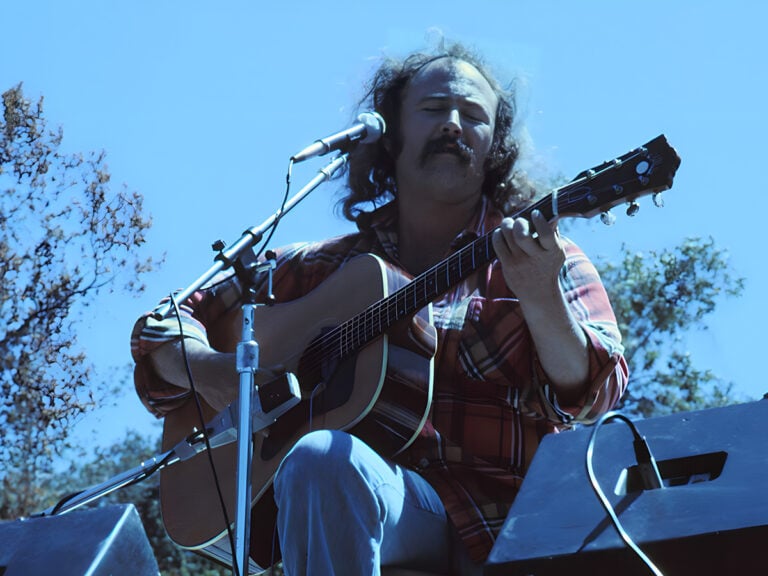

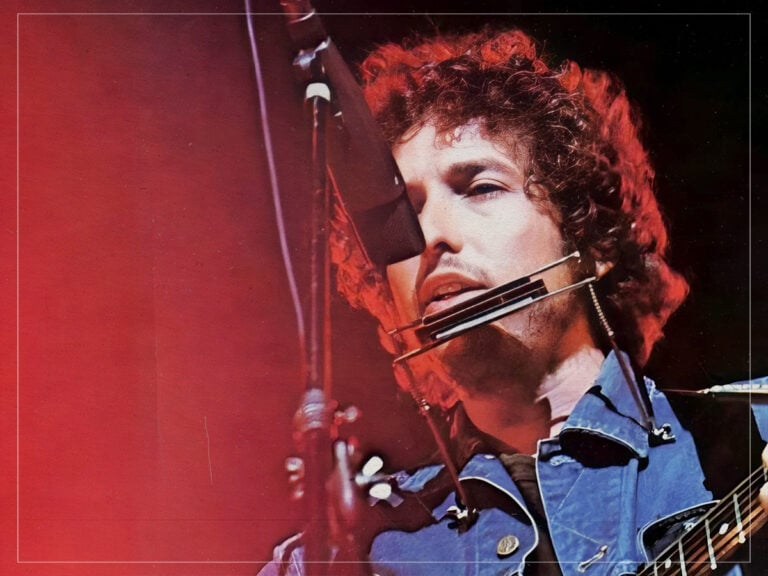
And you can really feel that in the way that Green played. He had already accomplished the impossible feat of filling in for Eric Clapton in John Mayall’s Bluesbreakers, and even though he didn’t have the most stable career path, his playing on some of those early Fleetwood Mac tunes is enough for him to become one of the greatest guitarists that the world had ever seen up until that point.
So while it’s sad to see that Green ended up falling prey to the same problems that people like Syd Barrett and Brian Wilson had around that time, that doesn’t diminish the genius he displayed when he was still alive. He wanted to do whatever he could to make great music, and in doing so, he created the kind of blueprint for what the band could have sounded like for the next few years had he made his way through his own stupor.

Never Miss A Tale
The Far Out Classic Rock Newsletter
All the latest Classic Rock content from the independent voice of culture.
Straight to your inbox.