


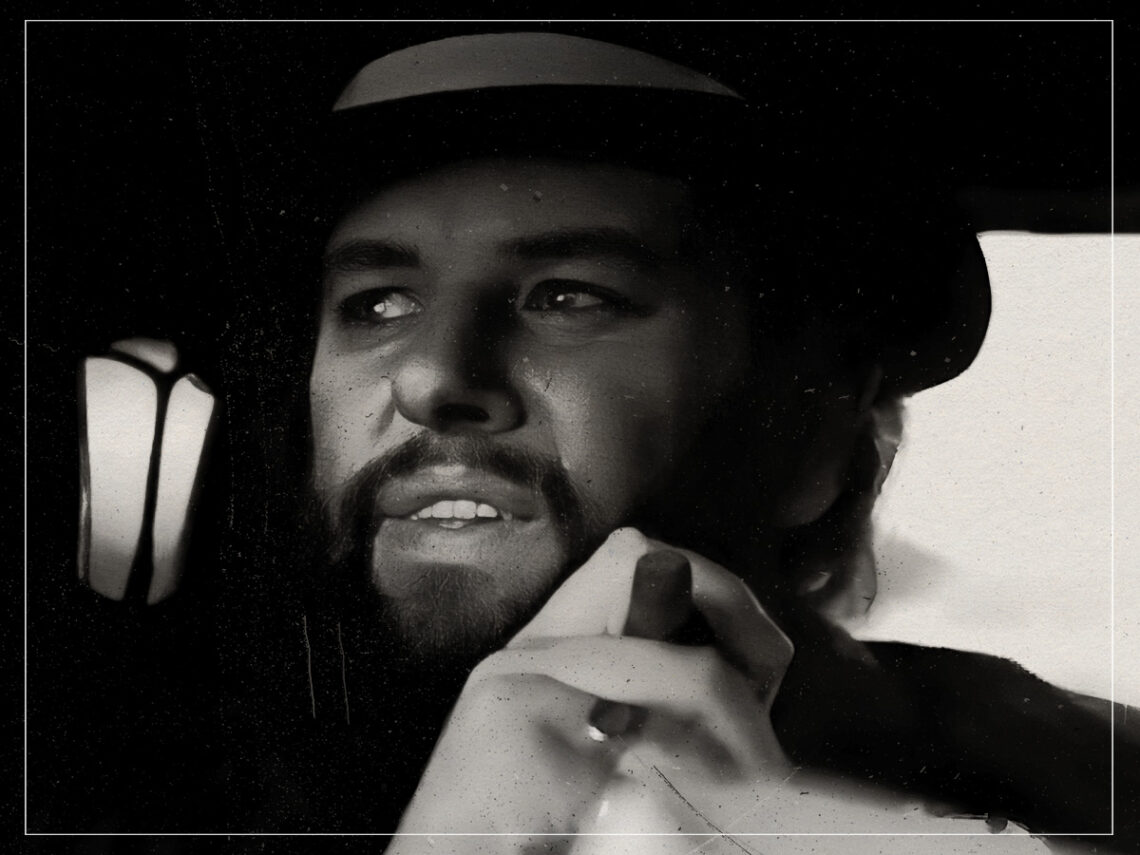
The importance of muscle managers in the 1960s and ’70s

What do you think of when you think of a music manager? Some scumbag who rips off hard-working bands? Someone with overtly large sunglasses, an expensive suit and a toothpick lodged in their mouth? Sure, that might be the stereotype, but it doesn’t really apply. These days, as independent and smaller artists are much more prominent, music managers are usually very normal music fans. However, back in the 1960s and ‘70s, you needed to be a completely different breed of human to make it as a manager.
Why’s that? Simply put, the industry was cutthroat, both figuratively and literally. During this period, the US Mafia were keen on sticking their noses in a variety of different businesses that would turn a profit, and the music industry at the time was one of the most lucrative out there. As the first British invasion occurred and the second one with the likes of Led Zeppelin was on its way, the mafia took a particular shine towards music.
There were several reasons why the mafia saw the music industry as a good place to work. The first was because many of the transactions made in music were done in cash. This was more in the live experience than in the selling records side of the industry, but the drinks bought at nightclubs, exchanges at record shops, and spending going into jukeboxes were all cash purchases.
There was also continual cash flow within the industry. A lot of the capital that the mafia was making at the time was due to selling publishing rights for different songs from which they could profit. It was also very easy for the mob to engage with their other businesses through music. For instance, if they bought bars and venues, they could cross-sell across various fronts on the same night.
Because of the mafia’s heavy presence in the music industry, life on the road and engaging in dodgy dealings when making music was relatively common. Back then, bands tended to be frail, long-haired renegades who thought they were tough but were all talk. As such, they needed managers who could keep them in check and get them the best deals in terms of recording contracts and tours, but also who could step in if some of the problems on tour started to turn sour.
For instance, when The Yardbirds were on tour, they found themselves perplexed as a mob stormed their tour bus and waved guns in their faces after they turned up to a gig late. Their manager, Peter Grant, had ties with the mafia, so when things went sour, he knew how to deal with them. Once the gunslingers entered the tour bus and started threatening to kill the band, Grant stood up and said, “You’re gunna do what?!” Things eventually cooled down after that.
If bands wanted to make it big in music, it was a given that they would encounter some dodgy characters at some point. As such, it was left to the band managers to be in a position to step in if things were ever going badly. If bands didn’t have a good muscle manager, they were almost guaranteed to get screwed over.

Never Miss A Beat
The Far Out Led Zeppelin Newsletter
All the latest stories about Led Zeppelin from the independent voice of culture.
Straight to your inbox.