


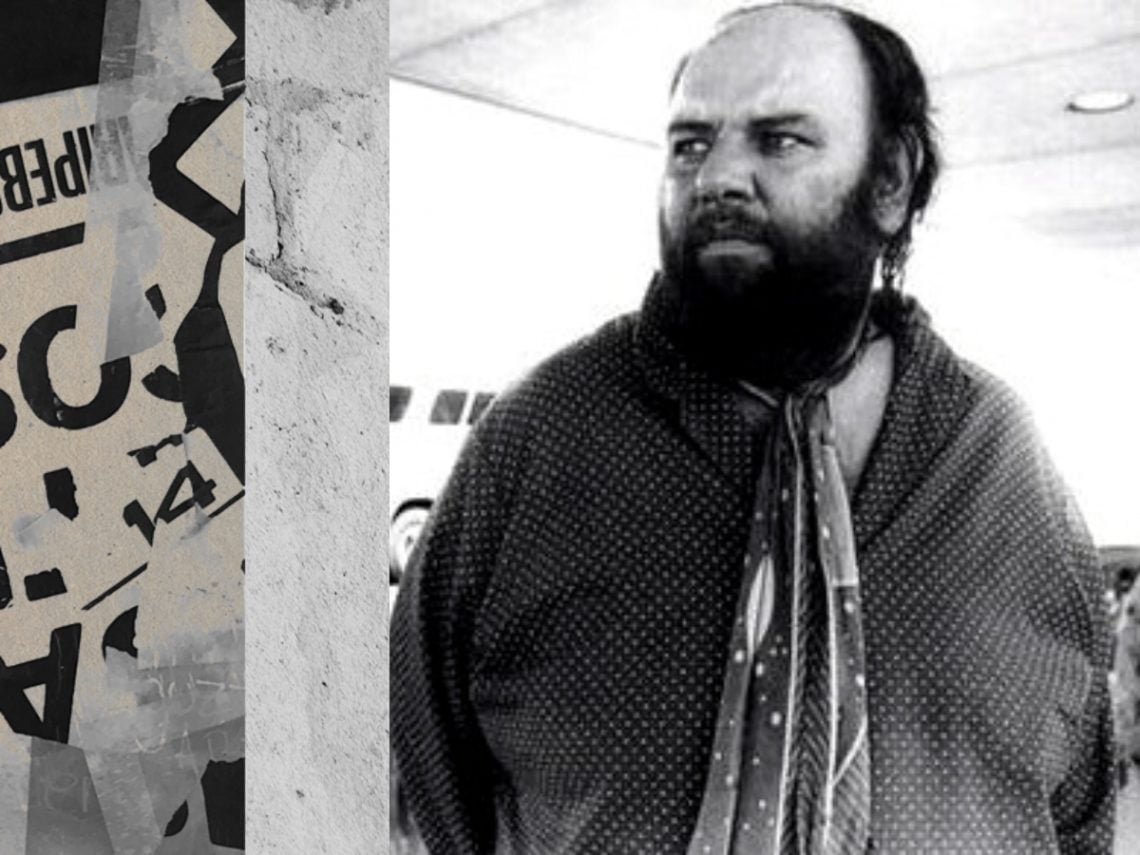
The most infamous stories about Led Zeppelin manager Peter Grant

The most notorious band of all time could only have been managed by an equally notorious figure. Led Zeppelin accrued a legendary and nefarious reputation among fans, with stories of them ravaging hotel rooms and sacrificing teenage groupies beginning to run around the music rumour mill from the very beginning of their career. Like all things, these were largely exaggerated, but it was hard to exaggerate the actions of manager Peter Grant.
Standing over six feet tall and weighing over 300 pounds, Grant used his size to his advantage when shaking down everyone from concert promoters to fans recording bootlegs. A naturally shy and reserved man, Grant postured as music’s meanest bastard in order to push Led Zeppelin to the top of the rock world. As an equal shareholder in the corporate side of Zeppelin, Grant was as invested in his band as any manager had ever been.
Grant first encountered Jimmy Page when he took over managerial duties for the floundering Yardbirds, then at the end of their initial run. Almost immediately, Grant became a boogeyman figure to everyone who wasn’t a Led Zeppelin band member: whether you were a fan, groupie, label executive, or anyone in between, Grant was the one man you didn’t want to cross.
During his decade-plus steering Led Zeppelin toward rock and roll glory, Grant became involved in a number of infamous incidents that added to the Zeppelin legend. Some are fully verified (with the police reports to prove it), while others can only be considered alleged incidents. All of them added to the colourful and occasionally dangerous world that Led Zeppelin lived in throughout the 1970s. Here are some of the craziest stories involving Peter Grant.
The most infamous stories about Peter Grant:
Grant vs the Mafia
During the final tours of the original Yardbirds lineup, Grant got creative when it came to booking tours. Thanks to some dubious connections, Grant booked the band in Mafia-controlled clubs across the US. One trip to Warwick, Rhode Island, almost took a deadly when the Yardbirds’ bus turned up an hour late.
Two promoters boarded the bus, pulled out guns, and began shouting at the band to count their days. Without missing a beat, Grant acted as a human shield and yelled for them to get off the charter. Somehow, the show that night went on as scheduled without incident, despite Grant almost provoking a one-man Mafia shootout.
The Great Columbia Records Swindle
In America, the Yardbirds had signed to Columbia Records subsidiary Epic Records. Label head Clive Davis had signed all the individual Yardbirds to recording contracts, and when he heard that Page’s new project was getting major hype, he was ready to sign the band he assumed he already owned, Led Zeppelin. But when Davis met with Grant, their polite introductions turned sour when Grant revealed that the group had signed with rival label Atlantic Records instead.
Page’s Yardbirds contract entitled him to retain his own recording rights, which made him a free agent when it came to Led Zeppelin. Grant kept Davis and Columbia on the hook while he searched for a deal that gave Page total creative freedom. By pitting Davis against Atlantic head Ahmet Ertegun, Grant managed to nab Zeppelin one of the best recording contracts in the history of rock and roll.
Film Stardom
While Grant kept himself busy with odd jobs before falling into the music management game, he dreamed of film stardom. With an unmistakable presence, Grant believed that he could be a character actor. In fact, in between gigs as a bouncer and stagehand, Grant found work in bit parts and as a body double in British films.
Grant can be spied in some legendary silver screen classics, including 1963’s Cleopatra, where he stands in as a palace guard. Grant also played a British commando in the legendary 1961 war film The Guns of Navarone. Small parts in television shows like Crackerjack and The Benny Hill Show followed, but Grant soon found a better line of work in music. Still, throughout his role as Zeppelin’s manager, he continued to inquire about potential roles whenever he could corner a director or film producer.

Grant vs Fans
Anyone who has seen the concert film The Song Remains the Same knows exactly what kind of approach Grant brought to managing Led Zeppelin. In the film, Grant can be seen shaking down venue personnel in Madison Square Garden when he discovers bootleg merchandise being sold. Gruff and demanding, Grant rarely let anyone off the hook when it came to the financial security of Led Zeppelin.
Anyone who had ever tried to record a Zeppelin concert knew this as well. Grant’s methods to stop bootleg recordings varied: sometimes he would be polite, sometimes he would be curt, and other times he would resort to violence. An untold number of recorders had either been smashed, doused in water, or otherwise permanently ruined by Grant’s methods.
Assault
When Led Zeppelin arrived in Vancouver, Canada, in 1970, Grant’s techniques in deterring bootleggers got him in legal trouble. His manhandling of a fan while trying to take down a microphone led to an assault charge, one that was later dismissed in 1971. But when Zeppelin arrived in Oakland in 1977, a much more serious row occurred.
Grant already had beef with concert promoter Bill Graham when an argument erupted between Grant’s son and one of Graham’s employees. Grant proceeded to violently beat the employee in question, with some assistance from John Bonham and road manager Richard Cole. All three eventually pled no contest and paid fines, solidifying their intimidating nature.
Keeping the band happy
While he rarely indulged himself, part of Grant’s duties as manager was to procure entertainment for Zeppelin while they were on the road. That allegedly meant strippers, hookers, groupies, and anyone else who wanted to sleep with the band.
In one case, Grant is said to have berated hotel staff when they brought 16 screwdriver drinks to the band’s room instead of the requested 60. Grant would often push the duties of acquiring “entertainment” to the band’s road managers, but especially in the early days, Grant would put the responsibility on himself to make sure his band was satisfied.

Never Miss A Beat
The Far Out Led Zeppelin Newsletter
All the latest stories about Led Zeppelin from the independent voice of culture.
Straight to your inbox.