


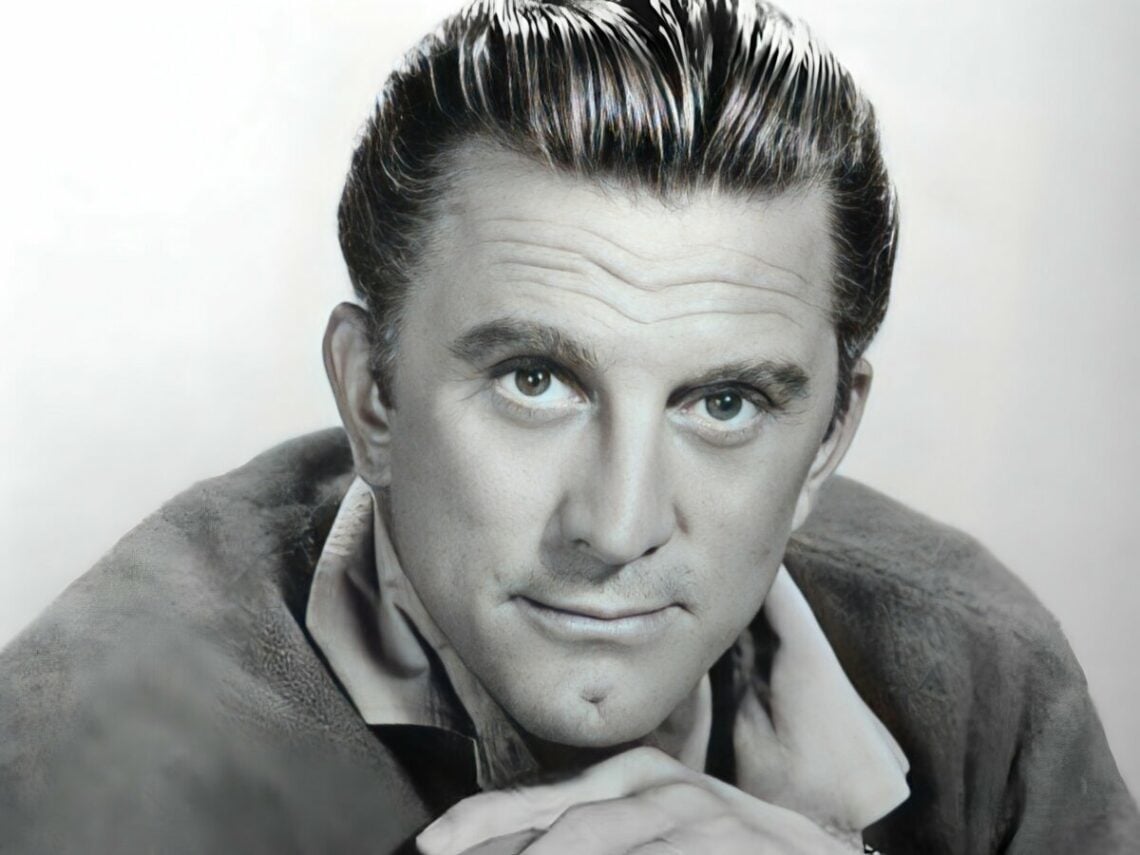
The movie that changed everything for Kirk Douglas: “A turning point”

In terms of Hollywood legends, they don’t come much bigger or more influential than Kirk Douglas. The Dutch-born star began his movie career in the mid-1940s, before finding his feet as a star in the following decade. The likes of Gunfight at the O.K. Corral, Ace in the Hole, and 20,000 Leagues Under the Sea established him as a big name. He would use that success to elevate then-unknown director Stanley Kubrick, appearing in two of his early films, Paths of Glory and Spartacus. All-in-all, Douglas’ impact on the movie business is up there with the very best.
Where did it all start for the man who would come to despise Kubrick in later years? His major breakthrough came with the 1949 sports drama Champion. Douglas plays ‘Midge’ Kelly, a morally loose boxer who sacrifices his friends and loved ones for success in the ring. The movie proved that the actor could not only helm a movie but deliver a nuanced performance and inhabit a troubled yet human character. It earned him his first of three Oscar nominations and set him on the path to superstardom. Don’t just take our word for it – take it from the man himself.
“Champion was a turning point in my young career,” Douglas wrote in a retrospective on his career for HuffPost. “I had an opportunity to make a big Technicolor picture at MGM called The Great Sinner starring Ava Gardner, Gregory Peck, and Lionel Barrymore. I turned it down to play Midge Kelly, a not-very-likeable boxer in a small independent film put together by young unknowns – producer Stanley Kramer, writer Carl Foreman, and director Mark Robson… Champion got me a ‘Best Actor’ nomination for an Oscar and made me a star.”
This would be the first of three ‘Best Actor’ nods Douglas received in his career, the other two being for The Bad and the Beautiful and Lust for Life. He never took home a golden statuette, although he did famously turn down a number of Oscar-winning roles.
According to Douglas, his agent at the time wasn’t best pleased that he’d not only turned down an offer from MGM, but had taken a role that could have landed him in hospital. “I was in pretty good shape, but I had never boxed,” he recalled. “I didn’t want them to use a body double, so I went into serious training with Mushy Callahan, an ex-welterweight champion. You know, it’s hard to make a movie punch look real. In the scene where my opponent was to catch me with a faked uppercut as I bounced off the ropes, he actually knocked me out. Now that’s movie realism!”
The success of Champion predates the rise in popularity of the mainstream boxing movie by several decades. It gave a leg-up to director Robson, who would go on to score two ‘Best Director’ nominations at the Oscars, and writer Foreman, best known for penning the screenplays for both High Noon and The Bridge on the River Kwai.
What of the film Douglas rejected in favour of Champion? The Great Sinner? Despite a stellar cast and top-class production values, the movie failed to recoup its costs at the box office, losing MGM the best part of $1 million, which was a big deal back in those days. As Douglas himself put it so succinctly, “It was a flop.”
