


The most life-affirming show on TV is about OnlyFans and debt

In 2025, Sean Baker’s Anora swept the Oscars and proved that a low-budget indie movie about sex work could be an industry darling.
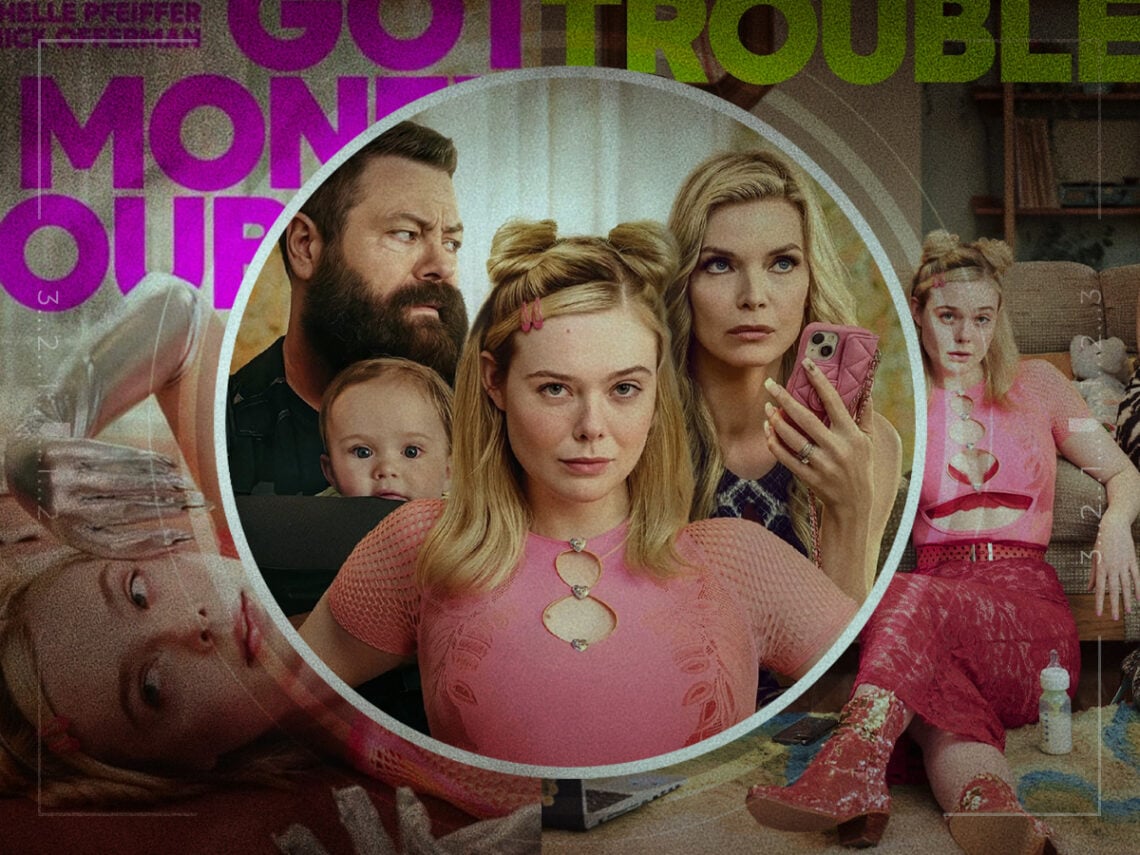
This year, an Apple TV+ series is revisiting similar territory, albeit with a bigger budget and a completely different tone. Margo’s Got Money Troubles is based on Rufi Thorpe’s 2024 novel of the same name and follows the titular Margo (Elle Fanning), a 20-year-old college student and aspiring author who falls unexpectedly pregnant through her relationship with her English professor. With bills piling up and no way to find work before securing childcare, she turns to OnlyFans to support herself and her infant son.
Created by David E Kelley, whose previous streaming adaptations include Big Little Lies, The Lincoln Lawyer, and Mr Mercedes, Margo’s Got Money Troubles has a tricky needle to thread. It runs the risk of being monopolised as “pro-life” propaganda at a time when abortion rights are in crisis in the US, while also running the risk of stigmatising or sanitising sex work. Thanks to an ensemble of excellent performances and a script that’s willing to expand on ideas, however, it avoids both pitfalls to become one of the most unexpectedly feel-good new shows of the year.
Where Thorpe’s novel charmed readers through quirky prose and an infectiously determined protagonist, the streaming adaptation humanises some of the peripheral figures in Margo’s life by giving them more space to develop. Chief among them is Margo’s mother, Shyanne, played by Michelle Pfeiffer.
A former Hooter’s waitress and single mother, Shyanne discourages her daughter from having the baby and then refuses to help with childcare when Margo goes against her wishes. That’s when Nick Offerman strides into the picture as Jinx, Margo’s father and retired wrestler who has been largely absent from her life since birth. Recently divorced and out of rehab, he moves in with Margo and her cosplaying roommate Susie (Thaddea Graham) to help out with baby Bodhi and avoid relapsing.
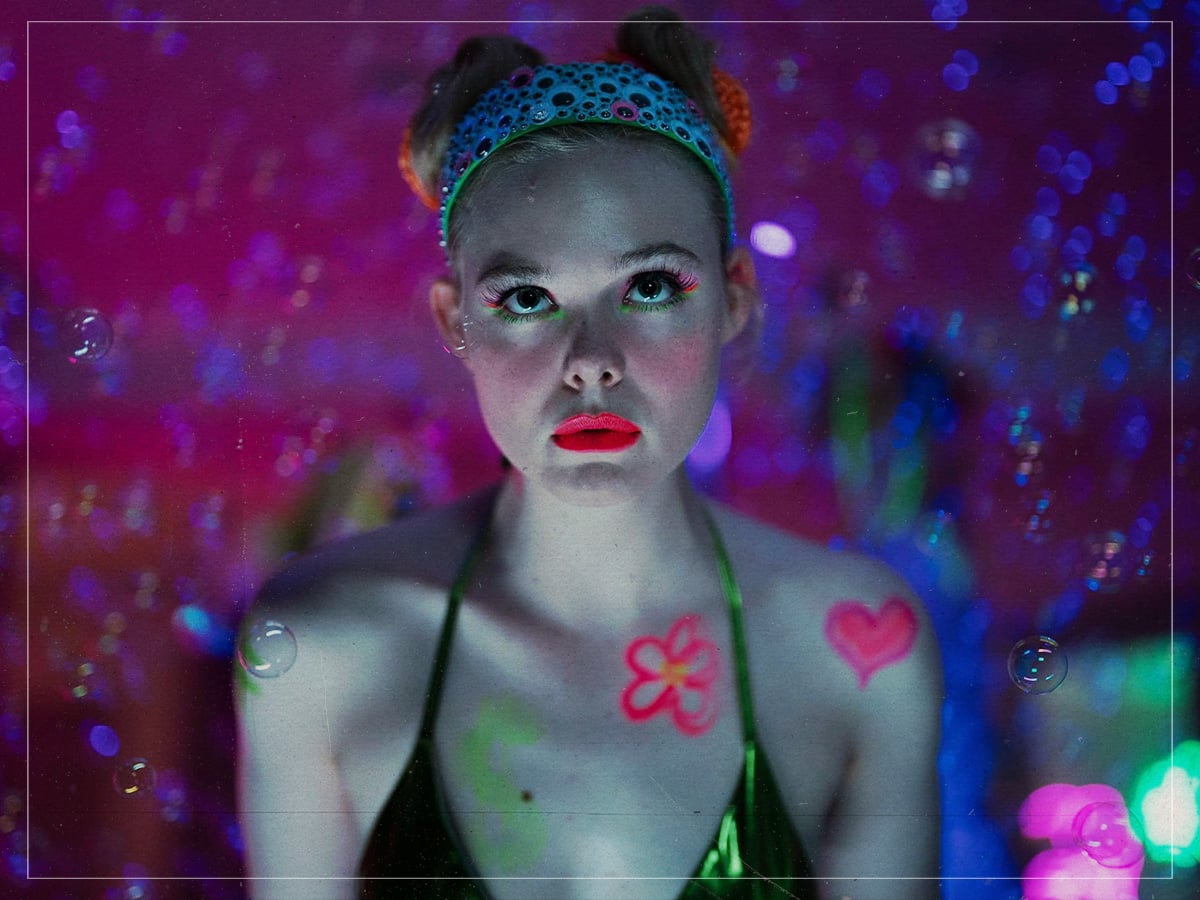
Fanning gives the best performance of her career as a young mother who is in over her head but determined to stay afloat. Early scenes show Margo begging her baby to latch while her college roommates scream at her for sabotaging their exams. She is fired from her job at a restaurant for not having childcare. When she asks Bodhi’s father for a paltry sum of money to pay a month’s rent after two of her roommates skip out on the lease, he calls his mum, who calls her lawyer. Throughout it all, Fanning portrays the flashes of regret, the rage, the bone-crushing exhaustion, and the all-consuming love of Margo’s predicament.
When she opens an account on OnlyFans, Margo isn’t expecting much. She offers to rate dicks for $20 and poses in some of Susie’s cosplay outfits. When she joins forces with two veterans of the platform, played by rapper Rico Nasty and Anora’s Lindsey Normington, however, she becomes an up-and-coming mogul.



Just as Thorpe does in the book, the series offers a much broader view of online sex work than simply offering nudity for money. Margo’s creativity comes to the fore, and she amasses fans through increasingly absurd visual scenarios. Fanning, who has often been relegated to playing pleasant-enough protagonists and supporting characters who act merely as audience surrogates, is more than up for this new challenge.
In embracing this new line of work, of course, Margo has to navigate the people around her who aren’t universally thrilled by her decisions. Instead of separating her family and friends into enemy and ally camps, however, the series lets people evolve, check their biases, and learn from the circumstances rather than the stigma. What a utopian concept. Offerman is at his best as the outwardly invincible pro wrestler nursing his many physical and emotional wounds, while Pfeiffer gets to flex her acting muscles by portraying a textbook terrible mother who still manages to show nuance and redemption.
At times, Margo’s Got Money Troubles falls back on cliché relationship arcs and saccharine dialogue, but even that works in its favour. Rom-com tropes are so rarely deployed in depictions of real-world financial stress and sex work that they serve as small subversions. This is such a warm-hearted series, and the acting is so universally soulful and believable that cheesiness simply comes across as positivity. The world is a shit-show right now. TV doesn’t always have to reflect that.
This series allows us to acknowledge some of the blatant hypocrisy and inequality around us regarding capitalism, social safety nets, and resourcefulness, without sinking into nihilism. It’s escapism rooted in economic realism, which feels pretty perfect for 2026.
