


‘Stagger Lee’: The Missouri pimp who inspired a Nick Cave classic

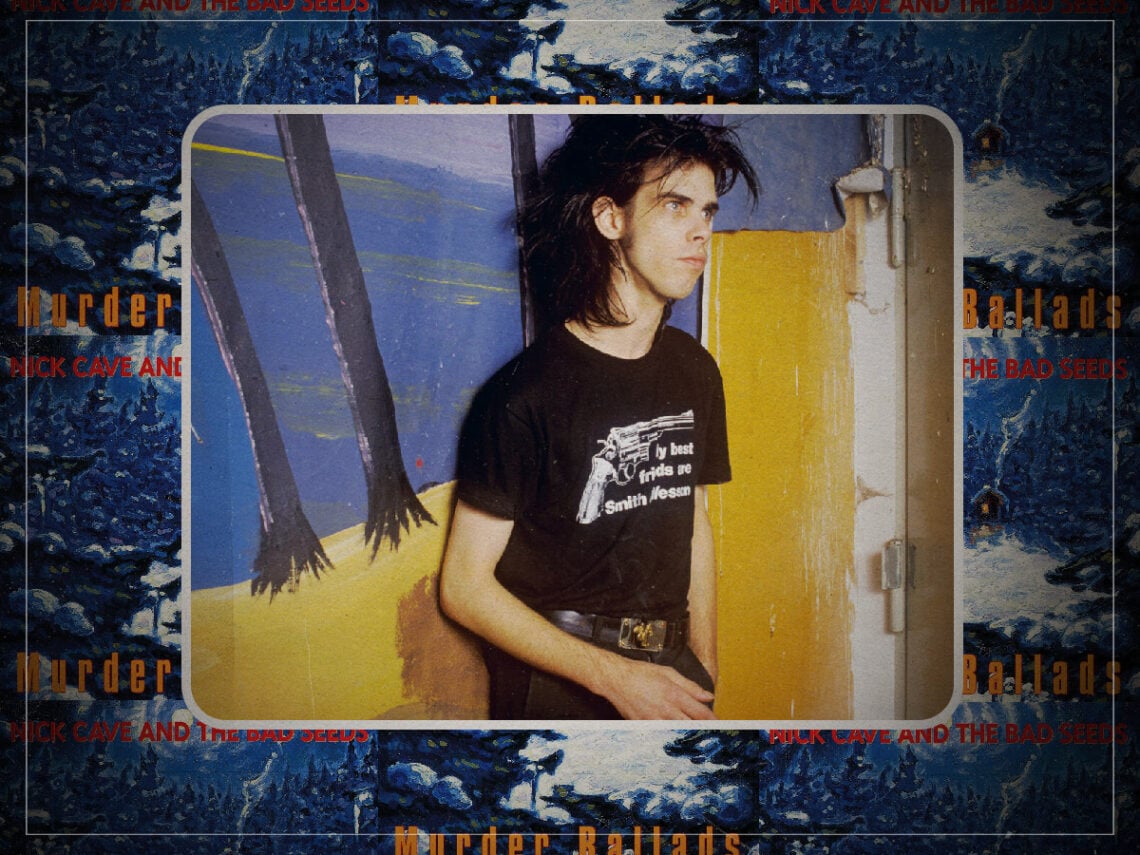
There’s no doubt that Nick Cave conjured the definitive telling of the tale of Stagger Lee.
Like any good fable, Cave spikes the folk piece with his own embellishments. Featured on 1996’s Murder Ballads, the Bad Seeds cast a disturbing shadow over the titular outlaw, detailing the murderous snapshot of one Billy Dilly’s gunpoint force into oral sex with the Black gambler and pimp before being fatally ‘blown away’. All set to a grimy blues stomp, Cave has never sounded so in his gleeful element, indulging in the gutter storytelling of America’s dark past.
Lee’s reach across the folk tradition and later popular music has been a long one. Known by a multitude of variations over the years, including ‘Stagolee’ and ‘Stack-a-Lee’, Lee’s tale of cold-blooded murder has been a decades-long feature in Black toast poetry, a heritage form of performance which evolves with new detail and dimensions depending on who’s narrating.
Before long, Lee’s notoriety would count a whole host of covers and renditions far beyond the blue-collar Black social circles, everybody from Woody Guthrie, Pat Boone, Elvis Presley, Bob Dylan, and even Huey Lewis and the News, taking a stab at the murder ballad.
Was Lee a real person? Almost certainly so. Stagger Lee was the later nickname of African American Lee Shelton, born in Texas in 1865 and later developing a rough reputation as a feared pimp in St Louis, Missouri. Legend has it that he won his nickname due to being “stag”, 19th-century slang for forever operating alone and seemingly lacking friends. It was on the evening of Christmas Day 1895 that Lee’s infamy would be cemented in folklore.
According to a report in St Louis’ Globe-Democrat at the time, Shelton and drinking buddy William Lyons were boozing in a bar by Eleventh and Morgan Street. Allegedly in good spirits, a detour into politics soured the mood, the mutual differences resulting in Lyon’s snatching Shelton’s hat in an act of slight.
After refusing to return, Shelton shot Lyons in the abdomen with his revolver apprehended that evening, and Lyons died of his wounds. Shelton would receive 25 years, paroled in 1909, but was imprisoned again for assault and robbery two years later and spent the rest of his life at the Missouri State Penitentiary, dying of tuberculosis in 1912.
Known by variants of ‘Stagger Lee’ from then on, Shelton’s ruthless vengeance would enter oral tradition across the States. Before he’d even died, the Kansas City Leavenworth Herald noted one “Prof Charlie Lee, the piano thumper” performing a number called ‘Stack-a-Lee’ two years after the event, and the Journal of American Folklore established its first publication in 1911. It would take Waring’s Pennsylvanians dance band to cut the first known recording in 1923, kickstarting a blues and folk standard for the rest of the 20th century.
While the homosexual element is all Cave, the Bad Seeds frontman looked to 1976’s The Life: The Lore and Folk Poetry of the Black Hustler to flesh out his own grapple with the blood-soaked tale, adding a rustic historic edge that feels palpably weathered by the ages, while twisting Lee’s dark presence into a menacing force for a 1990s generation first stumbling across the tale of the hardened outlaw.
