


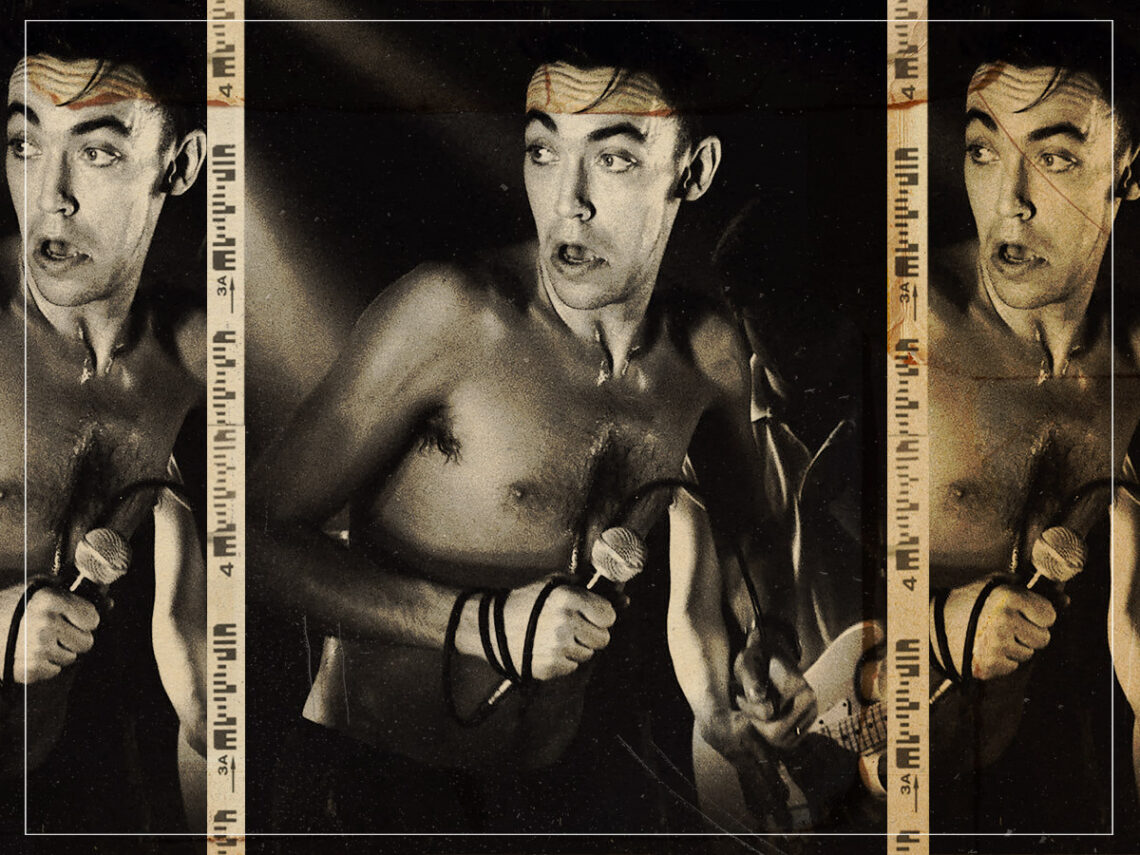
Mick Lynch: the forgotten godfather of Irish post-punk

Over the last decade, there’s been plenty of excited chatter about the current crop of excellent post-punk and adjacent acts from Ireland, with the likes of Fontaines DC, The Murder Capital and Gilla Band leading a charge that is hell-bent on putting the country’s music scene back on the worldwide map. Ireland has always been known for its history of folk music, but guitar bands over the years have only seemed to come in small drips, with the likes of U2 and My Bloody Valentine having been two of the largest to offer anything of the sort.
However, while many of the current acts are borrowing from famed acts from across the Irish Sea, with the likes of The Fall and The Cure providing large amounts of influence, there aren’t many beyond the aforementioned acts, Boomtown Rats, and to a certain extent, The Pogues, that have provided plenty of cues towards the modern Irish post-punk resurgence.
That is, except for one individual whose role within several cult acts in the West of the country has quietly steered the direction that these artful and hyper-literate younger acts have taken. Mick Lynch, best known for his roles in bands such as Stump and Microdisney, among others, ought to be held up as the unsung hero of Irish post-punk and as a man whose boundless creativity laid the foundations for the music coming from the country today.
Having begun in a series of short-lived acts that exist below the realm of being cultish, such as Mean Features and Constant Reminders, Lynch would form Microdisney alongside Sean O’Hagan – a future member of Stereolab and The High Llamas – in Cork at the start of the 1980s. Their music was unusual, to say the least, mixing together elements of new wave, sophisti-pop and punk, perhaps more akin to the likes of Echo and the Bunnymen and Japan.
Releasing four albums over the course of the decade before falling apart in 1988, they had an approach like few others, but Lynch was seemingly determined to take things in an even more abstract direction. He would form Stump after moving to London part-way through the decade, and their sole studio album, A Fierce Pancake, encompasses an even broader range of influences from jazz, country and dub.
The record, which features their cult hit ‘Charlton Heston’, is a wild and disorienting descent into maniacal and abrasive clashes of sound, with surreal lyrics that range from menacing to perverse and everywhere in between. It’s offbeat but full of charm in its own peculiar way, and the number of cues that more modern acts seem to take from his innovations on this release and Microdisney’s catalogue without realising it is staggering.
It’s a shame that Lynch’s career faded into relative obscurity after the ‘80s, but when you’ve got so many obscurities to dig out from the Smiths-esque Microdisney track ‘Horse Overboard’ to the Pop Group-ish ‘Orgasm Way’ that Stump released in the same year, you begin to realise the range that Lynch had to offer to a generation of young Irish artists that is still ripe for rediscovery. It’s even more of a shame that he’s no longer around to see the fruits of his labour experience a second life.

Never Miss A Beat
The Far Out Post-Punk Newsletter
All the latest Post-Punk content from the independent voice of culture.
Straight to your inbox.