


The Story Behind The Shot: ‘Megalopolis’ throws caution to the wind and shatters the fourth wall

Breaking the fourth wall is a tactic used by countless movies over the years to varying degrees of success, but it would be an understatement to say that no feature has done it to quite the same extent as Francis Ford Coppola’s Megalopolis.
In the majority of cases, fourth-wall breaks are restricted to characters remaining firmly within the context of their own film, albeit commenting or passing judgment on events that only the audience is privy to. Deadpool & Wolverine might have made a killing at the box office thanks in large part to its metatextuality, but Coppola’s deranged epic is a whole different ballgame.
Megalopolis has proven to be one of 2024’s most divisive features, which is the best possible outcome. If it were an unmitigated disaster that everybody agreed was terrible, then it would be a waste of time, money, and effort. On the other hand, another unqualified masterpiece from one of cinema’s greatest-ever directors would have robbed the dystopian drama of its inherent curiosity factor.
On paper, everything about Megalopolis is bonkers. It’s a passion project that a five-time Academy Award-winning auteur responsible for several of the greatest movies ever made has harboured for almost 40 years, which he finally brought to life by investing his own money into a $120 million production that doubles as his first directorial effort in 13 years.
On every level, it’s a huge swing, and it doesn’t really matter in the grand scheme of things whether it’s a miss or not. Coppola has bankrupted himself twice over trying to push the boundaries of cinema into new territory, and even though his latest is guaranteed to bomb thunderously, people are talking about it for better or worse.
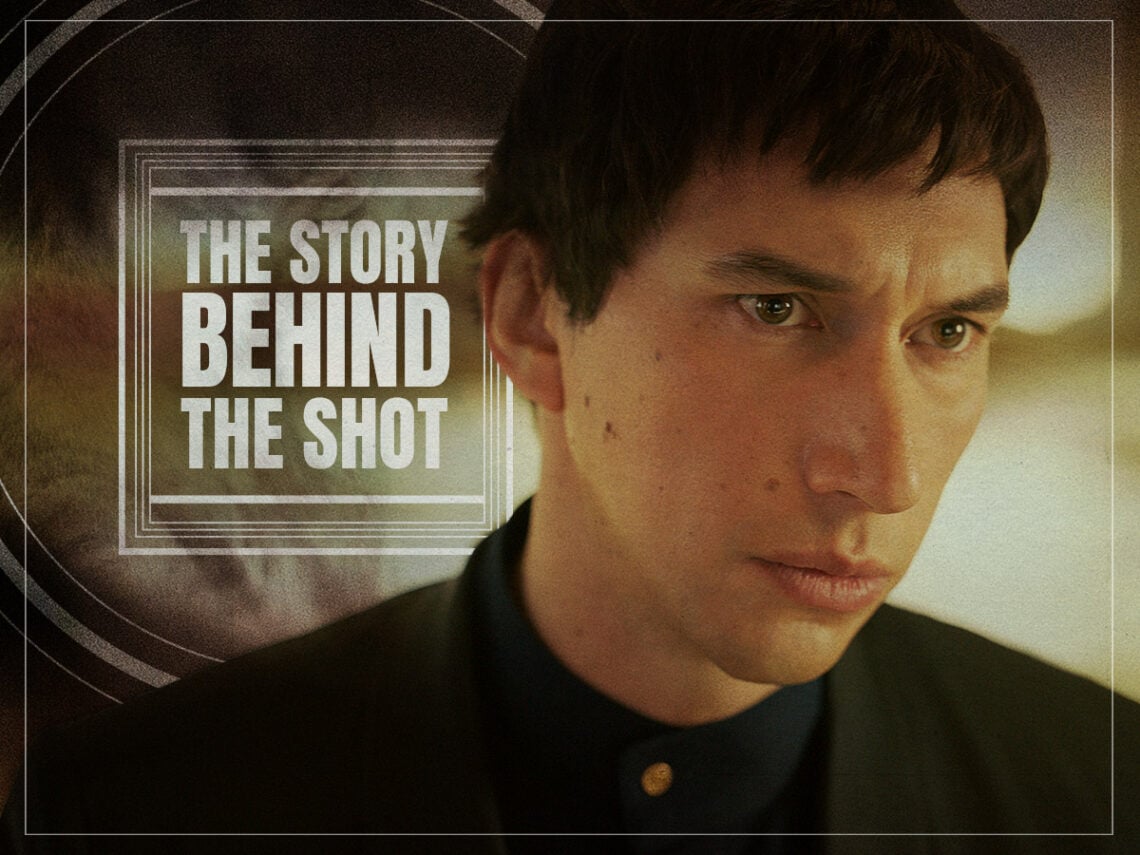
A closeup shot of Adam Driver delivering exposition is hardly game-changing in isolation, but it’s become indicative of the mad genius of Megalopolis. Instead of a standard fourth wall-breaking exchange, Coppola has finally realised his dream of adding a live element to cinema by having a person in the auditorium stand up in front of the stage, speak directly into a microphone, and engage in a conversation with a fictional character.
It’s utterly bonkers and totally ridiculous, which, by extension, makes it perfect for Megalopolis. Coppola rests the camera on the face of Driver’s Cesar Catilina in one of the easiest and most basic shots to accomplish with any kind of equipment, but it’s all in the execution – or lack thereof, which makes it even more fascinating.
Not every cinema is screening Megalopolis in the way its creator intended, which has emboldened those desperate to experience it for themselves to seek out the elusive, immersive, and ultimate way of immersing themselves in the world. At the end of the day, it’s a guy asking a question, but on a deeper level, it’s Coppola’s most hubristic shot ever.
Why does someone need to engage with the character? Because he wants them to. What happens if theatres don’t embrace the interactive element? Megalopolis plays without it. Is that the way Coppola wants it? No, it is not. Does he care? Hard to say, but it stands to reason he’d much rather his viewers go all-in than leave the most notable strand of his batshit artistry on the sidelines.
It accounts for less than 60 seconds of the 138-minute running time, but that brief sequence perfectly encapsulates everything Megalopolis was supposed to be. Coppola didn’t think about the logistics; he just did it because nobody was going to tell him he couldn’t, leaving it up to the distributors to try and figure it out.
It’s become one of the biggest talking points to emerge from the filmmaker’s unwieldy monster, and it’s easy to imagine a future where ardent cinephiles hold Megalopolis screenings and argue amongst themselves over who gets to speak to Driver at the pivotal moment.
