


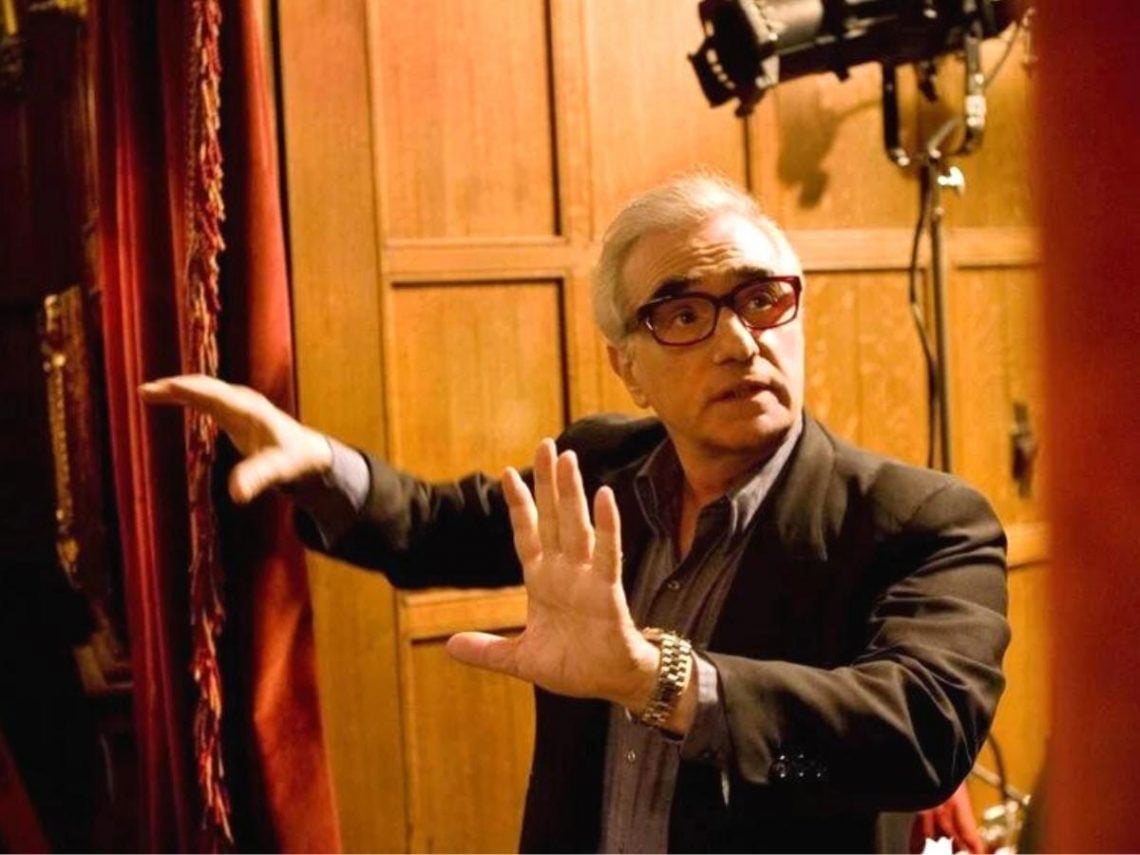
When Martin Scorsese called John Carpenter a “master craftsman”

Despite being one of cinema’s most respected and artistic filmmakers, director Martin Scorsese never misses an opportunity to show love and admiration for a fellow contemporary, whether they be a newcomer or a long-time figure in the industry. Scorsese’s credentials and history as a filmmaker have led him to be cited as a respected and objective figure of Hollywood. One fellow filmmaker whom Scorsese has expressed a fondness for as a visual artist is John Carpenter, one of horror’s longest-reigning masters.
Carpenter’s status in the horror genre aligns with that of Scorsese’s in crime or drama, as both directors have contributed some of the best examples of their assigned film types. Scorsese’s Goodfellas is an archetypal gangster crime movie with effortless direction, using the genre’s codes and conventions to the utmost level. This factor is similar to Carpernter’s slasher masterpiece Halloween, which put the sub-genre on the map and optimised 1970s horror’s reliance on terror and suspense. Both directors utilise the role of an auteur, meaning they shoot a scene with a camera the same way an author writes with a pen, in the utmost personal and distinct manner. This element transcends the filmmakers from their initial perspective of being directors, reaching a classification of artists who employ cinema’s and a genre’s properties with innovative vision.
Scorsese emphasises these elements on the Halloween director’s part in his review of Carpenter’s other horror classic, They Live. This movie is a brilliant example of socio-political horror filmmaking, critiquing the west’s deluded obsession with consumer culture and over-the-top materialism, executed using sci-fi imagery. After watching the 1988 film, Scorsese deemed the horror director a “master craftsman” who offers a “sense of composition if quite exacting and precise”. These claims are supported by Scorsese’s emphasis on Carpenter’s visual style, a factor he gravitates towards auteurship. “His pictures always have a handmade quality–every cut, every move, every choice of framing and camera movement,” Scorsese explains. “Not to mention every note of music (he composes his own scores) feels like it has been composed or placed by the filmmaker himself.”
Carpenter’s approach to genre filmmaking consists of minimalist lighting to display tension and obtain realism and smooth camera movement to focus the onscreen events. The director also oversees the score composition, devising it to accentuate the visual material and displaying an understanding that every film component, even the non-visual ones, is significant in creating the ultimate audience experience. These techniques assist the narrative and tone by representing horror concepts and ideas, another factor Scorsese picks up on in his admiration of Carpenter. “The appearances of Michael Myers on the very edge of the frame in Halloween; the appearances of the creature in his truly terrifying remake of The Thing,” the Taxi Driver director gives as examples. “And the mood of his pictures is so carefully crafted and sustained.”
These examples allude to the director’s creativity as the image of Michael Myers’ ghostly black face and the monstrous parasite creatures in The Thing have become iconic images in horror, proving how Carpenter contributes to the genre like no other.
Moving from attentive imagery, Scorsese praises Carpenter’s writing as a vessel of cultural criticism and insightful thematic concepts, further showcasing the horror director’s objective understanding of everything that makes cinema the medium it is. Speaking of They Live, Scorsese states: “This movie was Carpenter’s commentary on what he saw as the excesses of the Reagan era.”
As the film narrates, the upper class manipulates humans through subliminal messages in marketing to consume and conform. Accordingly, this logline criticises capitalism and strict conformity in mass society. Aside from horrific humanoid skulls and screens showcasing the critical language of “consume”, Carpenter places this underlying thematic concept against entertaining horror sci-fi aesthetics. Scorsese adds: “the movie shares many qualities with pictures made during the Depression, such as Heroes for Sale and Wild Boys of the Road. It’s lyrical and tough at the same time, with a strong sense of community among the displaced people living in makeshift homes on the outskirts of L.A., and the mood is unusually sad and bitter.”
Such analysis demonstrates Carpenter’s use of genre filmmaking to exert cultural commentary that voices cinema’s cultural influence. In the same way that Scorsese employed the psychological thriller Taxi Driver to communicate ideas on a decaying society and the psychological detriment of war, Carpenter recruits the horror manifesto to illustrate how capitalism is indoctrinating society into a compliant state in They Live. Similar to how Taxi Driver and other Scorsese works are hailed as American masterpieces, Scorsese believes Carpenter’s “They Live is one of the best films of a fine American director.”
