


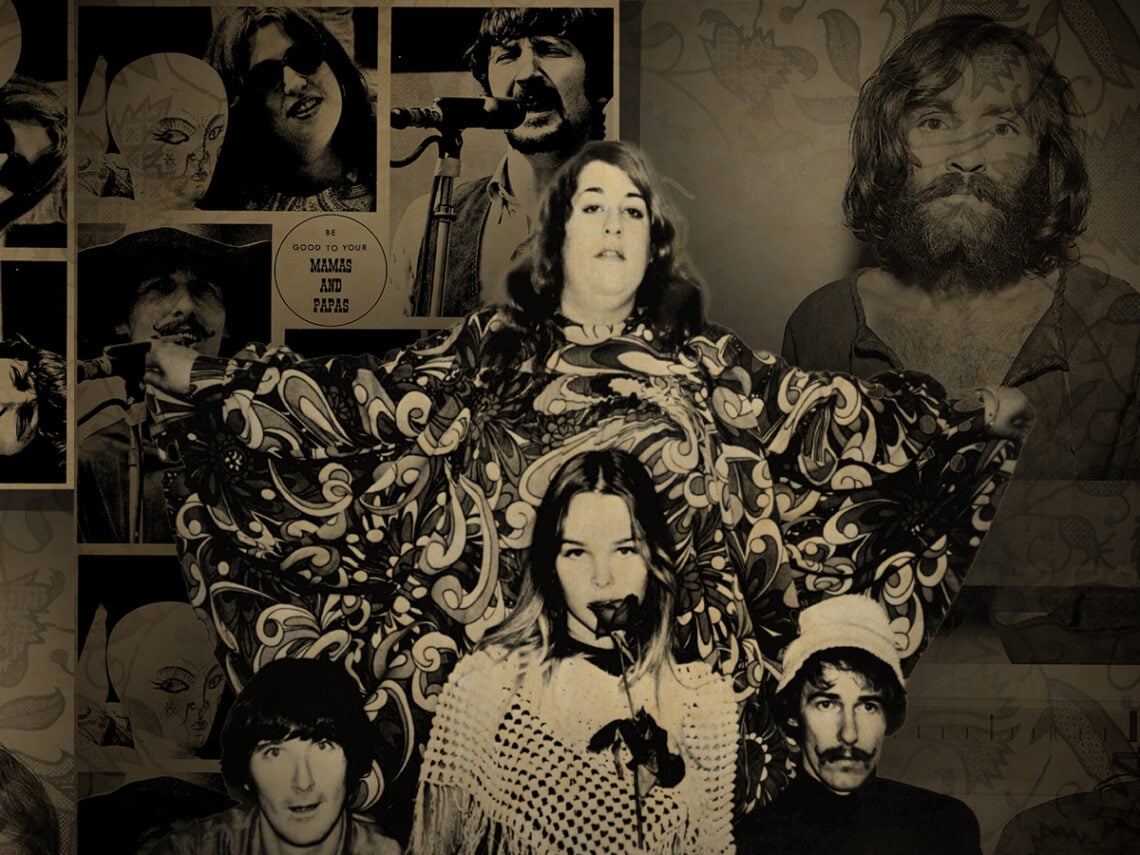
How did The Mamas & the Papas became embroiled in the 1969 Manson Family murders?

“It’s the end of a musical era for us,” John Phillips told reporters ahead of The Mamas & the Papas’ 1967 European tour.
The LA-based band, which saw its first three records all hit the top five in America, had completely scrapped all the work they’d put into album number four, and they’d now be playing overseas to essentially get the old stuff out of their system “[We’re about to] go into our metamorphosis and new birth,” Phillips explained, “So we want to perform for audiences who have never heard us before”.
At 32, Phillips was a bit long in the tooth by rock star standards, but his band was really still in its infancy, less than two years removed from the breakout success of their 1965 single ‘California Dreamin’. Even so, despite their now firm position as one of the most bankable pop bands in the country, ‘Papa John’ felt like the balloon was actually on the verge of popping.
“A year and a half seems as much as we can take,” he said, “We can’t sustain it any longer… We feel that with a rise of income, there’s been a loss of creativity. You can’t create on a schedule. We don’t want to become institutionalised as the Mamas and Papas sound.”
Creativity probably wasn’t the core issue. Long before Fleetwood Mac would become the singing soap opera on wheels, nobody could compete with the romantic intrigue and weekly betrayals going on in the backrooms of the M&P headquarters. Increasingly frustrated with his wife Michelle Phillips’ penchant for affairs, including one with their mutual bandmate Denny Doherty, John Phillips had elected to fire her from the band in 1966, only to bring her back three months later when her replacement, Jill Gibson, wasn’t deemed up to snuff.
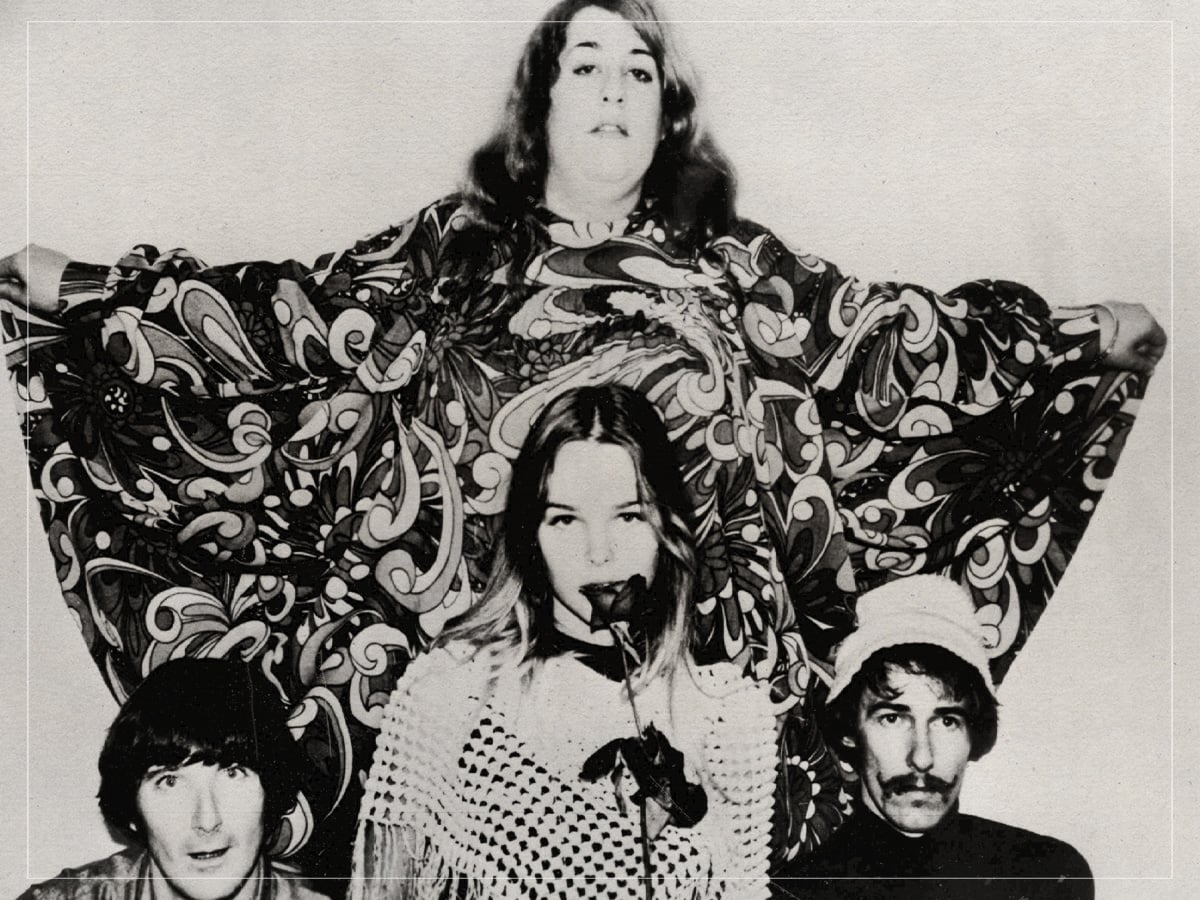
The irreplaceable ‘Mama’ in the group, of course, was Mama Cass Elliott, who was usually the one stuck in the middle of the band’s melodramas, but in the case of this planned tour of Europe in 1967, she threw her own spanner in the works, as news broke that she’d been arrested when the band arrived in England, charged with stealing a couple of bed sheets from a hotel on an earlier stay in London.
Cass had apparently attempted to elude the cops in a Rolls-Royce that had been sent out to transport the group, but she was literally pulled out of the vehicle and cuffed while Michelle Phillips cried helplessly, watching it unfold. To add insult to injury, the syndicated news report back in the States referred to her as “182-pound lead singer Cass Elliott”.
Mama Cass eventually avoided any charges due to a lack of evidence, but The Mamas & the Papas were forced to cancel their planned UK dates after the incident, and it sent the group further spiralling into dysfunction.
Earlier that summer, in the midst of all the madness, John, Michelle, Cass, and Denny had managed to peacefully and gloriously co-exist for one night, headlining the Hollywood Bowl in front of nearly 20,000 fans, with the Jimi Hendrix Experience as their opening act. For a moment, they were as big as The Beatles, and arguably the biggest band in America. A year later, as Papa John had foreseen, it was over; they had nothing left in the tank, not as a unified entity anyway.
Mama Cass quickly went to work on her first solo album in 1968, but John and Michelle Phillips were distracted by the simultaneous demise of their marriage. The couple officially filed for divorce in the spring of 1969, and John Phillips, still living quite happily off the royalties of being The Mamas & the Papas’ primary songwriter, indulged himself in a cliché-ridden LA lifestyle of drugs, romantic flings, parties, and shoulder rubbing with other high-minded artistes.
His inner circle included the TV writer Marshall Brickman (who later co-wrote Annie Hall with Woody Allen), the Polish director Roman Polanski, and the British director Michael Sarne, who introduced John to the South African actor Geneviève Waïte, whom Phillips would eventually marry. In the summer of ‘69, though, Phillips was focused on putting Michelle and the band behind him, but that didn’t necessarily involve being productive.

After the moon landing that July, John managed to get a video recording of the event and re-watched it dozens of times, marvelling at the achievement and pondering various space-themed art projects he might eventually attempt. He’d also spend long nights taking mescaline and talking about film ideas with Sarne and Waite, including a really pretentious one in which Phillips would play Lord Byron, and Sarne would play Shelley in some sort of docudrama about the great Romantic poets.
One Friday night in early August, Brickman came over to Phillips’ new bachelor pad, and the two discussed possible plans for the evening. Phillips, ever on the cutting edge, had a messaging service, early voicemail, and saw that he’d received an invite from the actor Sharon Tate to hang out with some friends at her house, owned by Polanski, who was away working on a film. Phillips was tempted, but left the choice up to Brickman, who suggested a very different sort of activity.
“I hear this is the right time to see the phosphorescent plankton in the Pacific,” Brickman said, as Phillips recalled in his 1986 memoir, Papa John. Phillips thought he was joking at first, but was soon convinced that a trip to the beach to look at some glowing plankton, while on mescaline, of course, sounded amusing enough. They drove to the beach, met up with Sarne, and did just that, eventually retiring to their separate abodes later that night. The next morning, Phillips was awakened by a phone call from an LA newspaper columnist named Joyce Haber.
“Thank God you’re alive,” Haber said, sending Phillips into a sudden panic.
“What the hell are you talking about?” he asked her, “What’s wrong?”
At this point, nobody knew what had happened or who had done it, but a massacre had taken place inside Sharon Tate’s house at 10050 Cielo Drive. Tate, who was eight months pregnant, was dead, as were four other people who’d been unlucky enough to visit her that night. Joyce Haber was making phone calls to various people she knew to be friendly with Tate and Polanski, supposedly to make sure they were okay, but probably also to start building a suspects’ list.
In the aftermath, as news of the grizzly killings spread around the city, rumours and paranoia inevitably followed. John Phillips was far from immune to it himself; he welcomed his now ex-wife Michelle and their daughter Chynna to move back in with him, and he went out and bought a new handgun and hired extra security, concerned that more celebrities might be victimised by whatever this new devil cult was.
While many other musicians, actors, and artists were being similarly cautious, Phillips had the added trauma of not only being friends with some of the victims but also a random 50/50 chance away from having been there in the house himself that night.
“It was hard to keep from selfishly retracing my steps that night,” he wrote in his autobiography, “Thinking how close I had come to going up there… In the absence of facts, my mind skipped wildly to all sorts of weird scenarios. I recalled incidents that I previously disregarded as trifling.”
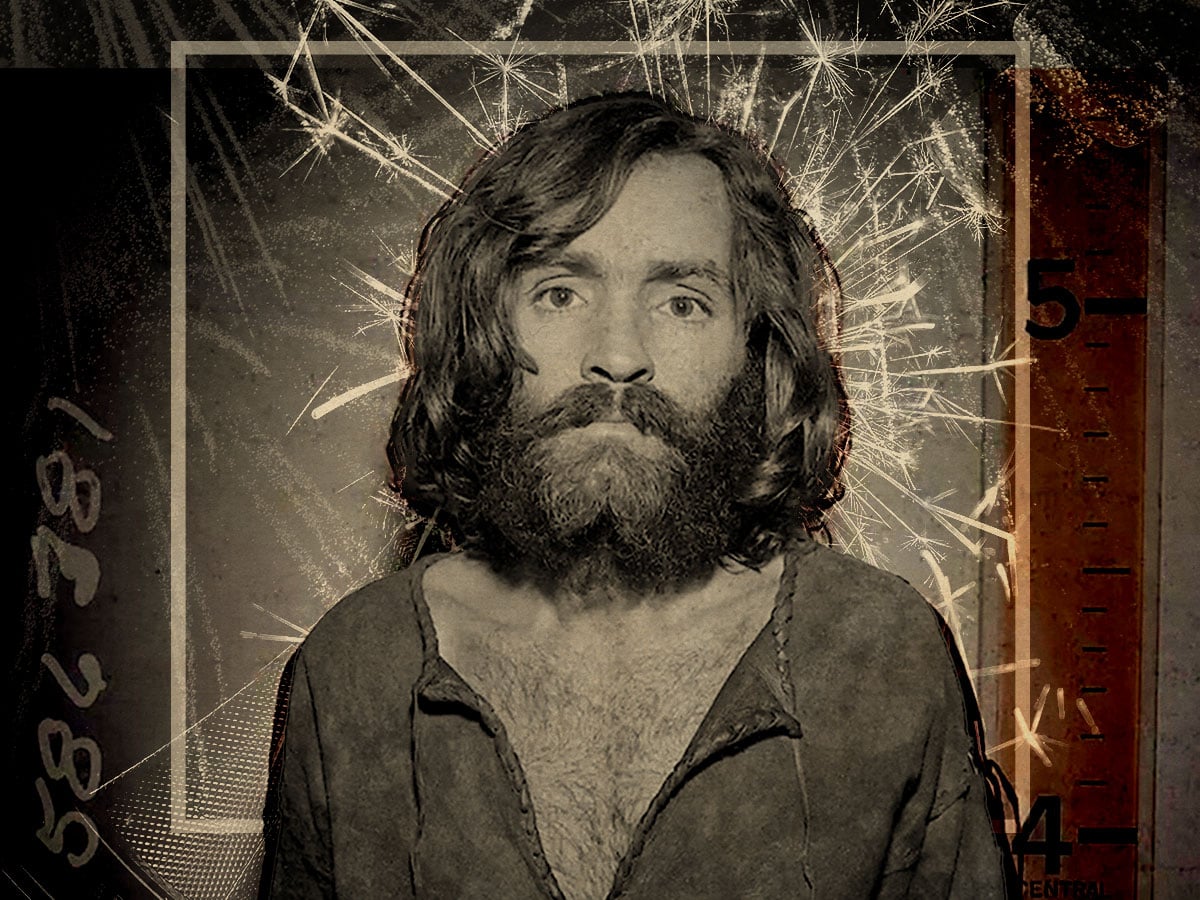
In particular, Phillips kept thinking about weird conversations he’d had with The Beach Boys’ Dennis Wilson and The Byrds producer Terry Melcher, who’d both told him about “this wild-eyed self-proclaimed ‘god’, who tripped on acid and imposed absolute control over a harem of hippie chicks”. His name, of course, was Charlie Manson.
For a while, Dennis Wilson had welcomed the Manson Family into his home and invited Phillips to come and essentially have his pick of any of Manson’s girls. Melcher, meanwhile, was pondering producing some of Manson’s music and thought Phillips might appreciate Charlie’s stuff. But John wasn’t impressed. “I never went out there,” he wrote, “It sounded a little too crazy and cosmic”.
Phillips would later be among the contingent who believed that Manson had targeted the Polanski home not with the director or Tate in mind, but out of the mistaken idea that Melcher, who had lived in the house a year prior, was still there. It was, Phillips thought, intended to be a bitter revenge killing for Melcher’s decision not to produce Manson’s record.
Unfortunately, Phillips and his hippie friends eventually chose to do their own amateur investigations into the murders, relying not on evidence, but on numerologists, psychics and conspiracy theories. During this same period, Phillips watched the news reports of throngs of hippies heading to the Woodstock Festival in New York State, an event built on similar principles to the Monterey Pop Festival he’d helped organise two years earlier.
“I knew that we had helped pave the way for Woodstock,’ Phillips recalled, “but it seemed to be a long way off now. In LA, the savagery of the killings had become a morbid obsession. The 60s’ myth of peace, harmony, and free love had been shattered by a blood-soaked orgy of murder and mutilation.”
Charles Manson was finally arrested on October 12th, 1969, two months after the murders, but the paranoia among a lot of LA artists didn’t diminish for a long time to come. John Phillips eventually managed to put his nervous energy into a solo album, 1970’s John, The Wolf King of LA, and a year after that, a contractually obligated Mamas & Papas reunion album, People Like Us, was recorded, albeit with the four band members rarely in the room at the same time, which was a critical and commercial failure.
