


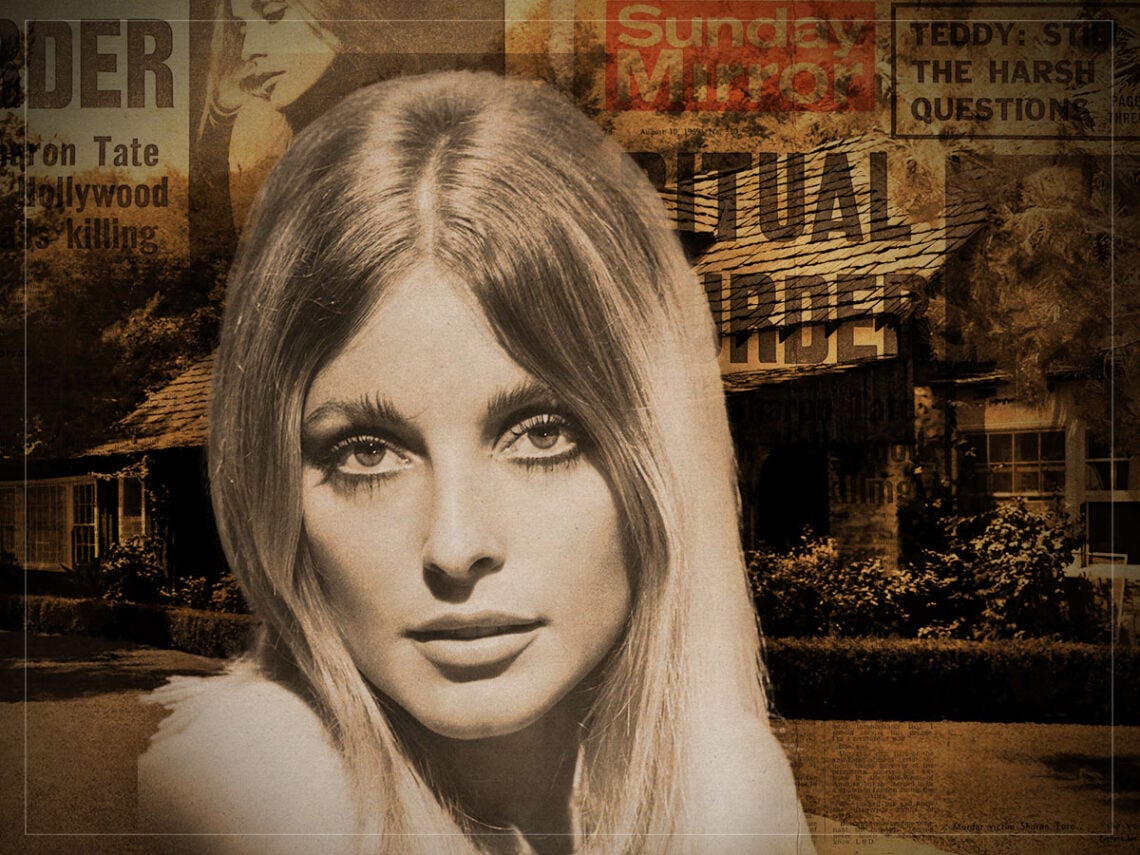
Which rock star lived in Sharon Tate’s house a year before the Manson Family murders?

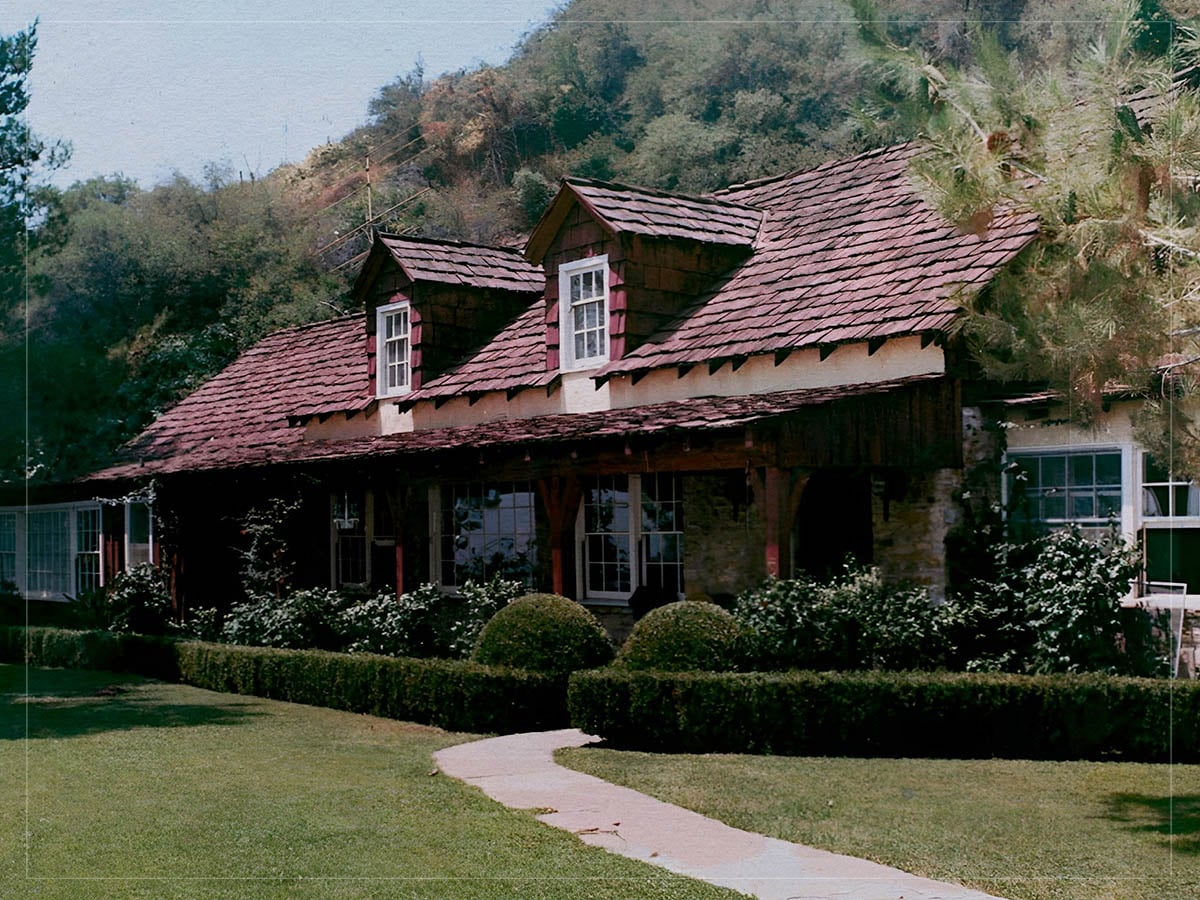
When he relocated to Los Angeles to work on Nine Inch Nails’ second album in 1992, Trent Reznor took what he thought was a pretty good deal and bought an old French country-style mansion at 10050 Cielo Drive, which he used as both his home and makeshift studio.
Not long after, a whole bunch of people started asking Reznor the same question: why had he purchased the infamous Manson Family murder house, the place best known for the 1969 killing of actor Sharon Tate and four other people? Was his soul really that dark to find such a setting appealing?
“It’s a coincidence,” Reznor told Rolling Stone magazine at the time, claiming he had no idea of the building’s past until the paperwork was signed. “I didn’t go on a press campaign saying, ‘I live in Sharon Tate’s house, and I’m really spooky.’”
It’s a tad disappointing that he pleaded ignorance there, because the truth, as was obvious to most readers, was that Reznor had absolutely sought out the spookiness of this arrangement with all the obnoxious, exploitative intent one might have guessed. If it wasn’t already clear when he decided to name his recording studio Le Pig, a reference to a message one of Manson’s followers had written on the wall in Tate’s blood, it was crystallised a few years later, when Reznor finally came clean after a change of heart.
“While I was working on Downward Spiral, I was living in the house where Sharon Tate was killed,” he reminded Rolling Stone in 1997, shortly after the house had been sold and subsequently demolished. “Then one day I met her sister. It was a random thing, just a brief encounter. And she said: ‘Are you exploiting my sister’s death by living in her house?’ For the first time, the whole thing kind of slapped me in the face…”
Adding, “She lost her sister in a senseless, ignorant situation that I don’t want to support. When she was talking to me, I realised for the first time, ‘What if it were my sister?’ I thought, ‘Fuck Charlie Manson. I don’t want to be looked at as a guy who supports serial-killer bullshit.’”
In the end, Reznor had an overdue awakening of empathy and maturity, and while the vibes of the Tate house might have contributed to the dark energy of NIN’s most successful album, it didn’t leave him with a ton of pleasant memories.
By stark contrast, nearly three decades earlier, that very same house at 10050 Cielo Drive was home to a very different rock star, one who would fondly remember his time there in the years before the place became a house of horrors.
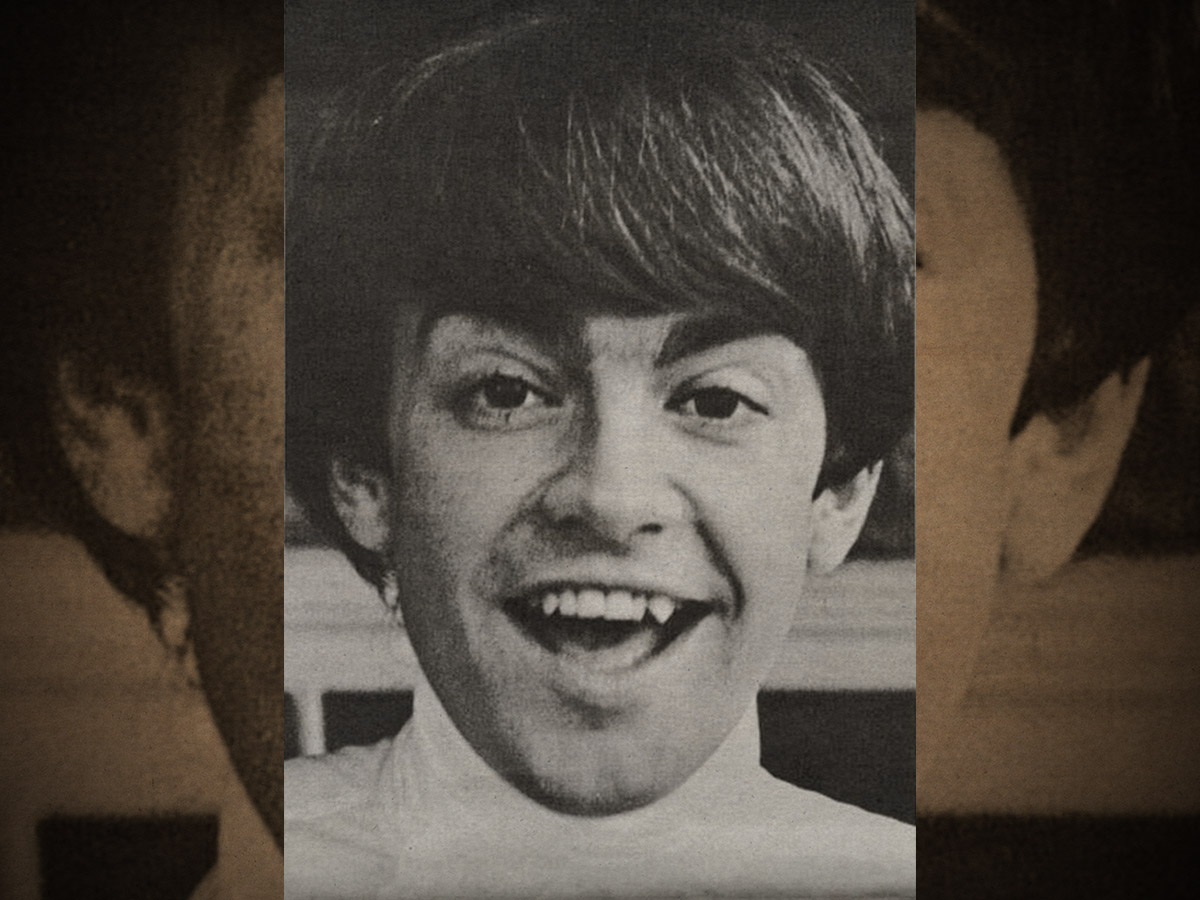
This was Mark Lindsay, frontman of the band Paul Revere & The Raiders, who occupied the house along with Raiders producer Terry Melcher from 1965 to 1967, during the ascent of the band to pop stardom… Lindsay eventually moved out when Melcher invited his girlfriend, actress Candice Bergen, to move in, and by 1969, the lease had been handed over to film director Roman Polanski and his then-girlfriend, Tate, who was eight months pregnant at the time of her death.
“Those two years [living in that house] were my golden years,” Lindsay said during a 2019 Q&A with director Quentin Tarantino, part of the promotion for the filmmaker’s revisionist take on that era of LA history, Once Upon a Time in Hollywood. “I remember drinking rosé in the garden with Terry [Melcher] outside in that liquid sunshine and saying, ‘It doesn’t get better than this,’ and thinking, ‘It’ll never get worse.’ It didn’t until 1969.”
Tarantino, who had a morbid fanboy fascination with the Manson killings, not unlike the one Trent Reznor eventually shook off, spent a lot of time picking Lindsay’s brain during work on the film, as one of his goals was to recreate the original Cielo Drive house with extreme detail. Seeing the set, Lindsay noted that “the room where [murder victim] Abigail Folger slept was my old room. It’s just like I’m back again.”
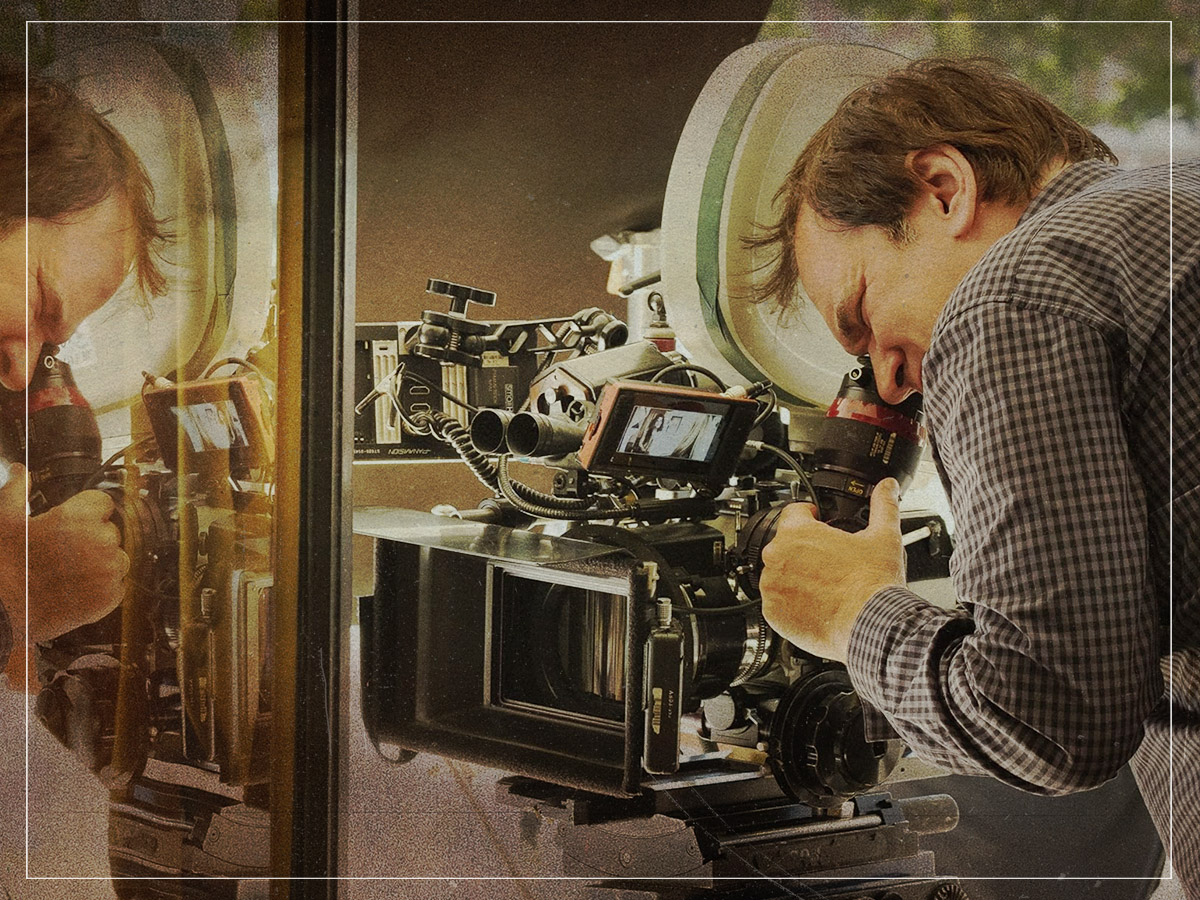
The piano Tarantino sourced for the film was also the same model as the one Lindsay used to play in the original house’s living room; the same one he wrote the Raiders hit ‘Good Thing’ on.
Terry Melcher, who produced some of the biggest records by the Raiders as well as The Byrds, wasn’t available to Tarantino; he died in 2004, but it’s hard to say how much he would have been willing to reveal about those days. Speculation over Melcher’s connections to Charles Manson, and whether a feud between the two men led to the events of the massacre at the house, has persisted for decades.
Mark Lindsay has long acknowledged that Melcher had considered helping Manson with his music career, around the same time Dennis Wilson of the Beach Boys was showing a similar interest in the budding psychopath. Manson even visited the future murder house on more than one occasion while Lindsay was still living there, attending a party in one case and stopping by another time to discuss his music with both Melcher and Wilson.
“I remember that at the house, the living room was on the left and the kitchen and dining room were on the right,” Lindsay recalled to Billboard in 2019. “As I walked in, I could see Dennis Wilson was there, as was Terry and some suits who were attorneys whom I knew. I figured there was a big meeting going on, and I didn’t want to disturb that.”
Adding, “So I walk into the kitchen to get a drink and squatting against the refrigerator was this little guy in a blue shirt, jeans, long hair and a beard, and he was like a doorstop against the fridge… He won’t move, so I said, ‘Excuse me!’ and he still wouldn’t budge, so I walk into the living room and say, ‘What’s with the weird guy in the kitchen?’.. And someone says, ‘That’s just Charlie Manson, he’s OK’… It may have been Charlie, but he wasn’t OK.”
Considering that Terry Melcher eventually opted not to work with Manson, some people started connecting the dots after the murders, positing that Manson had sent his killers to the Cielo Drive house under the mistaken notion that Melcher was still living there in the summer of 1969. It would then have been, theoretically, a crime of intended revenge gone wrong. Lindsay, however, never subscribed to this theory.
“Everybody speculated that Manson sent his minions up there to get rid of Terry because he was angry about not getting a record deal,” Lindsay told the Midland Reporter Telegram in 2013. “But Terry and I talked about it later, and Terry said Manson knew [Melcher had moved] because Manson or someone from his organisation left a note on Terry’s porch in Malibu.”
Since Melcher’s death, various internet sleuths have dug up evidence suggesting that Melcher might have been more directly connected with the Manson Family cult than originally thought. As an outsider on the periphery of both that relationship and the horrible events that occurred in the house he’d left behind, Lindsay couldn’t speculate. Instead, he was left with a very strange mix of fond memories transformed into a sort of trauma by association.
“At the time, I had a .44 Magnum under my pillow because I had some weird fan messages from the year before, and I slept with it for years as a protective device,” Lindsay told Billboard. “I always wondered what would have happened if Terry and I had still been living there and I had that .44. Things might have been different.”
Despite being informed that his own name was also supposedly on the Manson Family’s target list, Lindsay carried on playing with Paul Revere and the Raiders, scoring some of the band’s biggest hits in the years that followed, including a cover of the song ‘Indian Reservation’, which went to number one in the US in 1971.
