


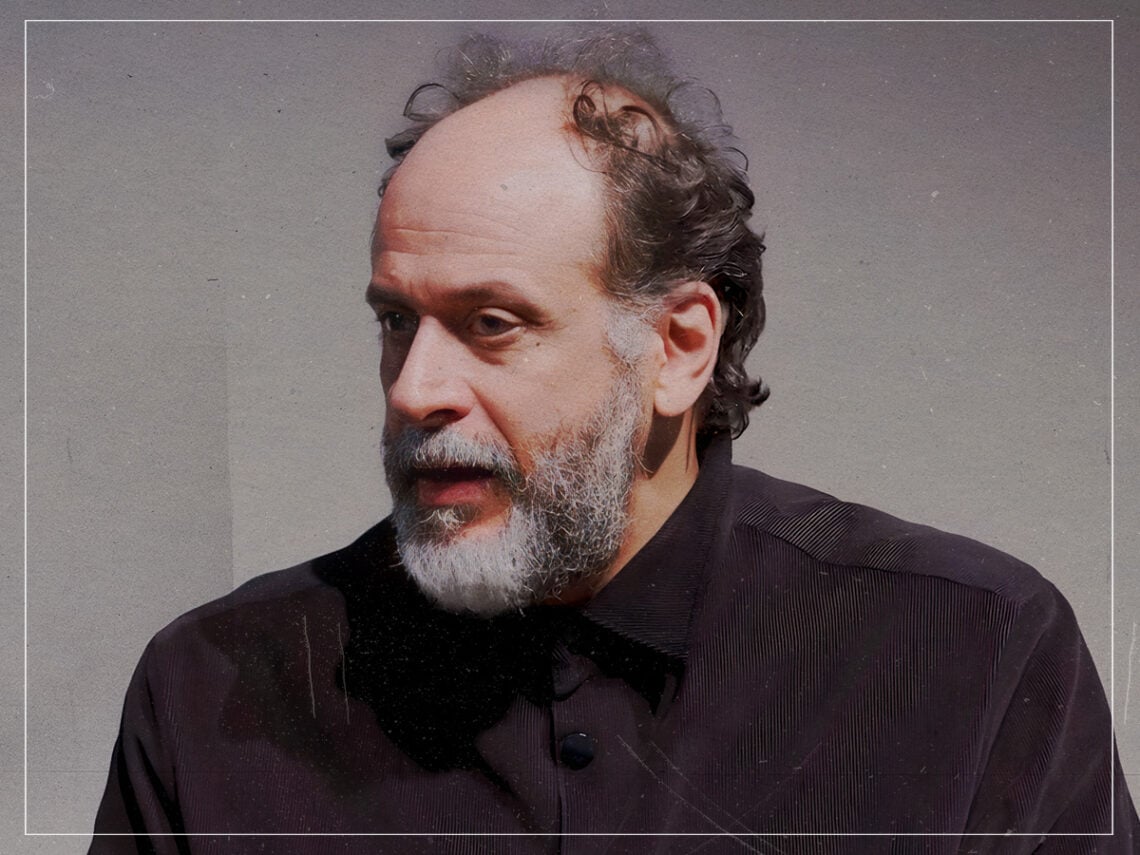
Luca Guadagnino: “I think every great movie is gay”

Luca Guadagnino has come a long way in recent years, with the director straying from his niche status and appealing to mainstream audiences through the meteoric success of films like Challengers and Call Me By Your Name. However, his roots in filmmaking began much earlier, with the director becoming a frequent collaborator of Tilda Swinton through early films such as The Protagonists, I Am Love and A Bigger Splash.
Since then, Guadagnino’s work has exponentially expanded in its reach through stories such as We Are Who We Are, Bones and All and Queer, becoming known for his exploration of sexuality, complex character dynamics and lush visuals, with his stories often taking place in naturally beautiful environments and adding a rich backdrop to the sexual tension and heightened emotionality of the story.
However, while he is perhaps one of the most beloved and eagerly anticipated directors working today, with each new project sending ripples through the cinephile community, the director has created a reputation based on his exploration of one specific theme, something that the director addressed recently and described all his favourite films as doing the same.
In recent years, representation of the queer experience has expanded in cinema, with directors such as Jane Schoenbrun and Marco Berger finding new ways of articulating nuanced ideas relating to gender identity and sexuality, providing a voice for a new generation of queer cinema lovers who have struggled to see themselves on the big screen.
Queer cinema as a whole has undergone a huge revolution since its inception, starting with coded portrayals of queer characters where there sexuality was repressed, such as The Loneliness of the Long Distance Runner and Looking for Langston, to films such as Fox and his Friends in which characters are out but ostracised or mistreated for doing so, to films like The Wedding Banquet and Looking in which queerness is portrayed in a matter-of-fact and multi-dimensional way, focusing on everyday human dilemmas instead of struggles specifically related to being queer.
As a result, cinema as a whole has been touched by endless variations of queer stories, whether explicit or not, something that is a common thread throughout Guadagnino’s work. Whether it be his coming-of-age story and exploration of budding sexuality in Call Me By Your Name or the homoerotic qualities of Challengers, each film offers a new perspective on matters relating to desire, intimacy and identity, a subject that is endlessly fascinating to Guadagnino.
When discussing this, the director said, “I think every great movie is gay. There is not a movie that is not gay if it’s great or at least queer but not ‘queer’ in the sense that you think of [nowadays], but in the sense that is all about really like being off the centre of things and actually oblique and broken”.
It’s a profound insight that encourages us to look at stories through a wider lens, widening our definition of what can be defined as queer and seeing the emotional impact of these experiences as fitting within this definition. Feeling fractured, lonely or off-balance can all be seen through a queer lens, with the director encouraging us to expand the binaries of our world and find ourselves in ways that haven’t traditionally been defined as belonging to us.
