


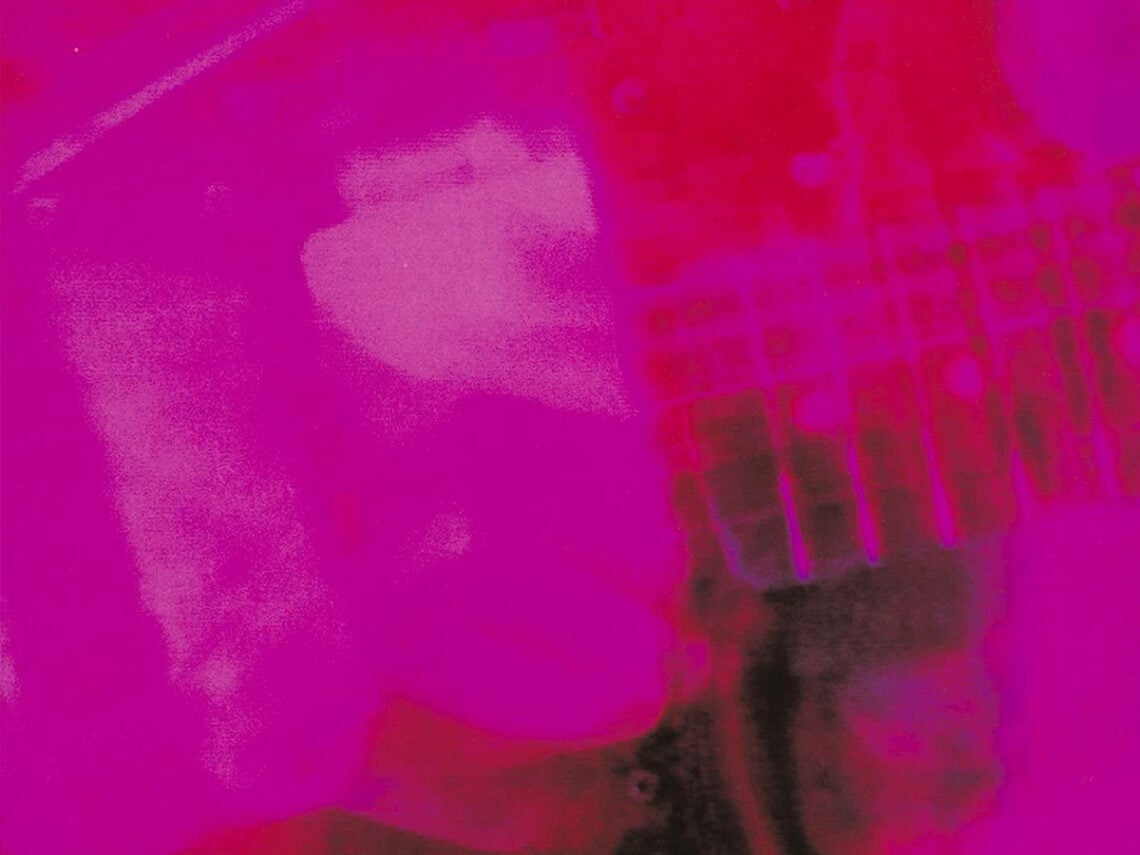
‘Loveless’: How My Bloody Valentine made a massively expensive masterpiece

My Bloody Valentine‘s 1991 album Loveless is undoubtedly one of the greatest sonic gifts of the 1990s, a masterpiece of burgeoning shoegaze reinvention of guitars, digital sampling and unconventional technique that ushered in a wave of sound singular to the Irish rock band’s vision.
It was also an infamously expensive album to record, much to the dismay of the band’s label, Creation Records.
Recording was set to begin in Southwark’s Blackwing Studios in February of 1989, with the label under the impression that the band members, Kevin Shields, Blinda Butcher, Debbie Googe and Colm Ó Cíosóig, could record their second album in just five days. As Shields recalled, quoted in Mike McGonigal’s 33⅓ series book Loveless, “When it became clear that wasn’t going to happen, they freaked”.
The process did, in fact, take months, all rather unproductive, leading up to that September, when they moved to The Elephant, a basement studio in Wapping. Another eight unfruitful weeks were spent recording here, as the band switched through engineers (from the in-house Nick Robbins to Harold Burgon) and later, at Shields’ claim, these session tapes were confiscated by the studio’s owners “three or four times,” as he explained to Rolling Stone in 2017, because there was no money to pay the bill for the studio’s use.
Eventually, the band found themselves at Woodcray Studios in Berkshire working on a separate EP, Glider, which they agreed with Creation’s owner, Alan McGee, would be released in advance of Loveless, in 1990. Alan Moulder, who was hired to mix the song ‘Soon’ from Glider (later the closing song on Loveless), was later brought back to work on the album, as he’d gained Shields’ trust. Further on, the band found the same trust in Anjali Dutt, who worked on vocals and numerous guitar tracks before leaving the project.
The band worked with several engineers during these months, all of whom, in Shields’ view, “were all just the people who came with the studio…everything we wanted to do was wrong, according to them”.
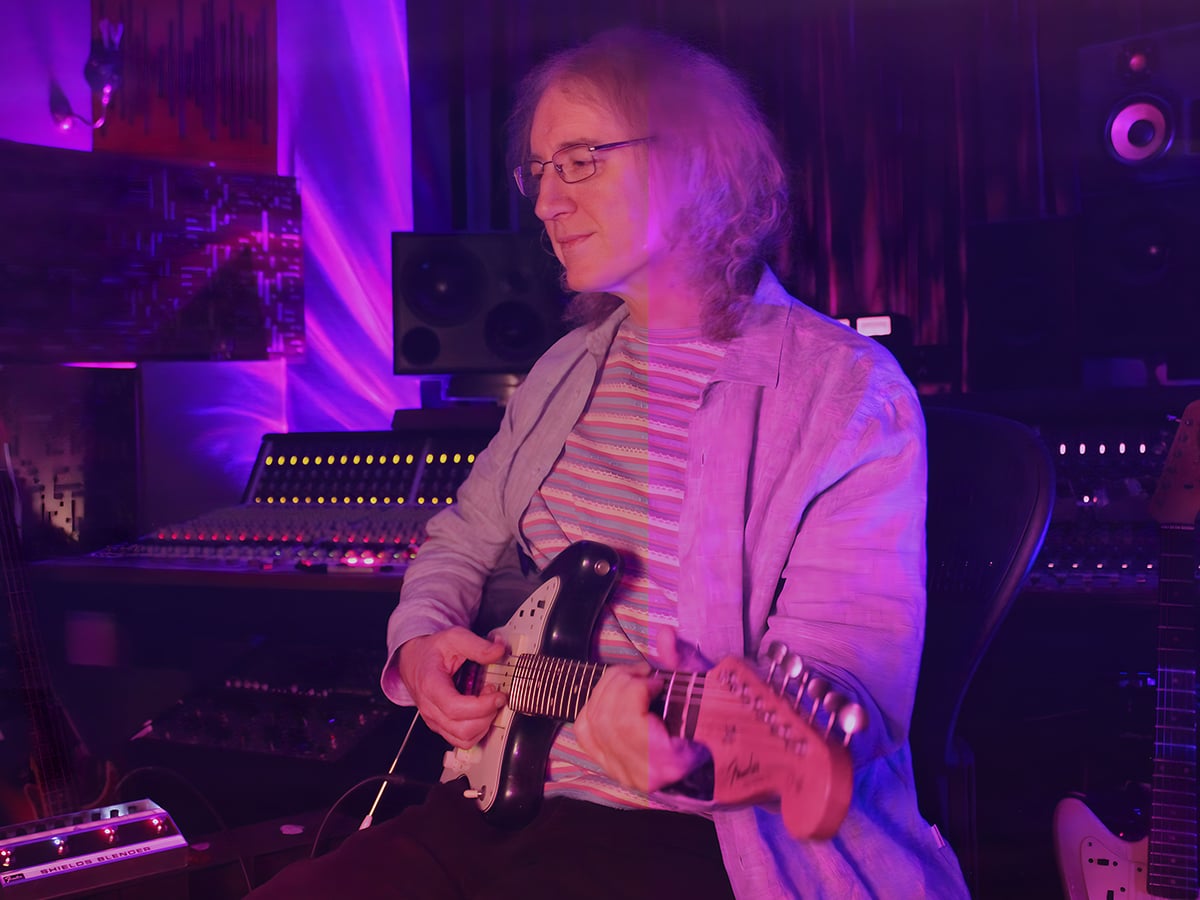
By the spring of 1990, during their sessions with Dutt, My Bloody Valentine had cycled through various recording studios, with only a day’s worth of work being spent in one before deciding whether it was conducive to their needs. By May, they chose Protocol in Holloway as their new home and began to earnestly work on Loveless, alongside a second EP, 1991’s Tremolo.
In August, Moulder returned to work on Loveless and noted how relatively little had been finished, while Creation Records was growing worried at how much these sessions were costing them. For a year, nothing happened until May of 1991, when Butcher joined the recordings for the first time in Britannia Row and Protocol studios, and things changed.
Within these walls, Shields and Butcher’s process was strict: with curtains, they’d cover the windows between the studio control room and vocal booth, communicating with the engineers only by opening the curtain and waving when they were satisfied with a take. One engineer, Guy Fixsen, explained that they were not allowed to listen during these sessions, instead having to keep an eye on the meters on the tape machine.
July saw the band move to Eastcote studio, where Creation Records were unable to pay the bill from their time spent at Britannia Row. From Dutt’s account, Shields had to raise the money himself to get the band’s gear out of the studio. He, however, had not given a reason for the relocation outside of unexplained complaints, and the frequent changes and delays were beginning to take a serious toll on the record label’s funds.
“It was two years into the album,” Dick Green, the second-in-command at Creation Records, recalled (in the 2000 book, The Creation Records Story: My Magpie Eyes Are Hungry for the Prize), “and I phoned Shields up in tears. I was going, ‘You have to deliver me this record’.”
Shields, however, maintained that the process for recording Loveless was not a purposefully drawn-out project. “A lot of people think Loveless was this long period of experimenting, messing around and going off in the wrong direction and starting again and all that,” he told Rolling Stone, “It wasn’t like that. It was very focused from the very beginning. We just had this extremely bad support network at the time.”
A primary factor was the lack of financial support: “We had literally no money, and I was literally homeless, ’cause we lived in a squat and we got kicked out,” he explained, “There wasn’t even 300 pounds available for [Creation] to get a deposit for a bed or something.”
Meanwhile, both he and Butcher developed tinnitus, which delayed the recording sessions further by a few weeks. Eventually, the vocal tracks were finished, and a final mix of Loveless commenced, with engineers Dick Meaney and Darren Allison at The Church in Crouch End, the 19th studio to be utilised in the venture. In yet another delay, the studio’s editing machine was an older model, with its computer throwing the entire album out of phase. Shields pieced it back together over the course of 13 days instead of the typical one it would take for mastering.
The exact costs of the Loveless sessions, over the two years it took to finish, have become widely rumoured. Back then, Melody Maker speculated a number of nearly £250,000, which all parties involved denied. To McGonigal, Shields explained that the rumours surrounding the cost and its effects on Creation’s near-bankruptcy were a myth, and when speaking with Rolling Stone, he cited a cost of £140,000, noting that other bands on the label spent a lot of money, whereas all bands on major labels spent double that amount.
“To me, all the financial details seemed to overshadow the record’s artistic qualities,” he surmised, “Why is that an issue?”
Loveless went on to be acclaimed by critics, though it was not a commercial success, peaking at number 24 in the UK and failing to chart in the United States. Soon after its release, My Bloody Valentine were dropped by Creation, as the label feared risking a repeat of the tumultuous sessions, once again.
Of course, the album would go on to sustain as a cult favourite, an essential pillar of shoegaze that carved the space for a sound difficult to define, endlessly inventive and yet bearing the weight of expectation and the long, winding road it took to completion.
