


The London locations which define the classic rom-com ‘Notting Hill’

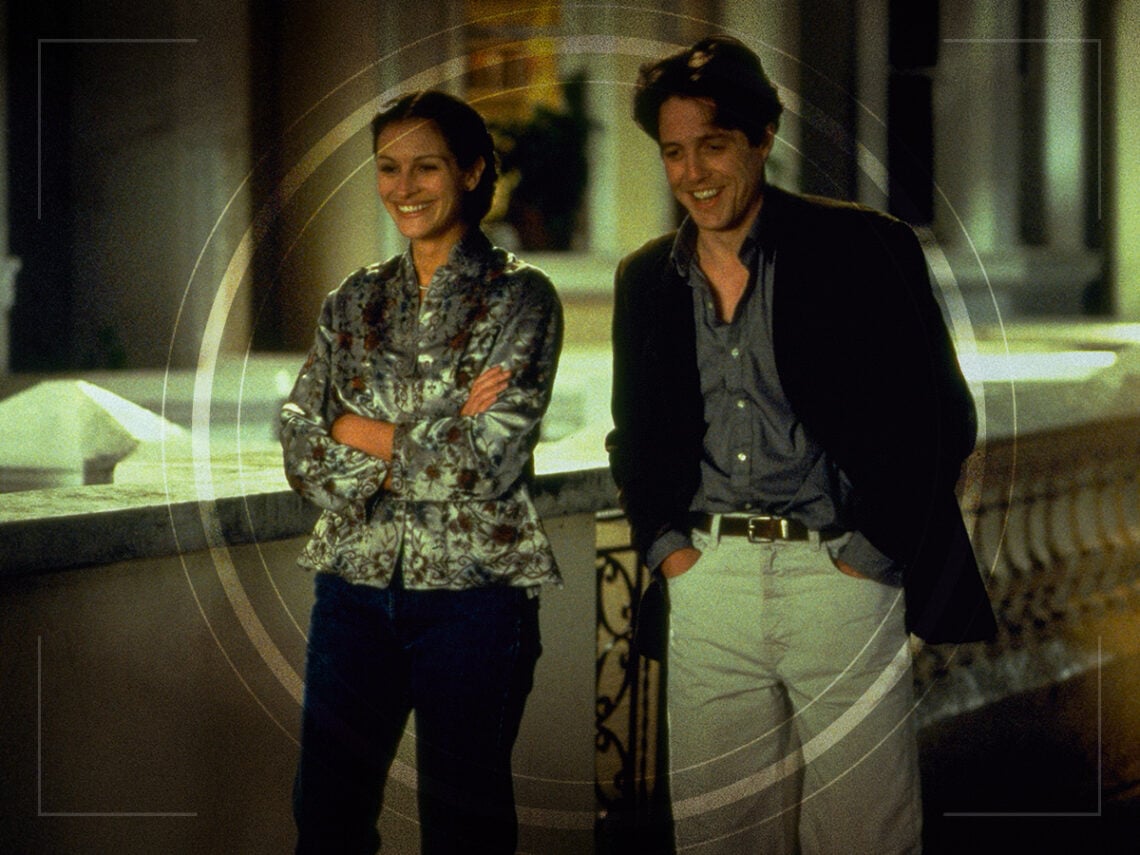
Hugh Grant reached ultimate levels of Hugh Grant when he starred as the floppy-haired charmer William Thacker in Notting Hill back in 1999, which immortalised a vision of London in the hearts of rom-com lovers that was utterly unrealistic.
Whitewashed and depicted without even a mere reference to the Carnival, which is such a large part of the area’s defining culture, Notting Hill brought a distinctively white middle-class image of the area to the big screen through Grant’s character. Richard Curtis has since acknowledged this flaw in his screenplay, but you’d think he’d have known better, since he actually lived in William’s Notting Hill flat. Well, sort of.
While it’s important to acknowledge that Notting Hill has its issues, it’s also an iconic romantic comedy which has a pretty important place in the British cinematic canon. It has driven so many tourists to Portobello Road, with flocks of fans lining up to take a photo outside the blue door of William’s flat every day. I hate to say it, though, but fans shouldn’t get too excited, as this isn’t the original door from the movie, nor did any filming take place inside.
The exterior of William’s flat, located at 280 Westbourne Park Road, was once occupied by Curtis, but interior shots were filmed in Shepperton Studios, with the iconic blue door auctioned off many years ago, so now a new blue door stands in its place.
Regardless, it’s still a vital part of the Notting Hill tour, because of course some pretty memorable scenes were filmed outside of that spot, like when Rhys Ifans’ Spike opens the door to the paparazzi and poses in his underpants.
Then there’s the Travel Bookshop that William works in, where he first meets Julia Roberts’ movie star character, Anna, marking the beginning of their complicated relationship. Interestingly, the shop used in the film was located at 142 Portobello Road, but it wasn’t really a travel bookshop, and rather was based on the Notting Hill Bookshop, which can be found just around the corner on Blenheim Crescent, with a cafe just next door.
This one has a blue plaque commemorating the shop’s influence on the film, but if you go to the Portobello Road building that was actually used in the movie, you’ll find that in the past 15 years, it has been transformed into a rather tacky gift shop, and while the sign uses the same font from the film, a huge poster of the movie sits in the window, with Roberts’ face staring out at you, encouraging you to buy some overpriced tat.



Another key location is the park that the pair breaks into, which gave us Grant saying “whoops-a-daisy”, and you can find this at Rosmead Garden, which is about a ten-minute walk away, but it really is private, so don’t try to enter, whereas more accessible, though, is the 18th-century house on Hampstead Heath, Kenwood House, where William visits the set of a movie that Anna is filming, which is free to visit.
With the London neighbourhood playing such a vital role in the movie, it’s one of the most popular rom-coms to inspire cinematic tourism, yet it’s important to remember the real Notting Hill, the multicultural one that the film failed to recognise.
