


‘Last Exit to Brooklyn’: the story charged with obscenity that gave rise to a sobering cult classic

Some of the most ground-breaking acts of creativity are born from controversy, and over the years, we’ve seen extreme uprisings in response to symphonies such as The Rite of Spring, films like The Exorcist that made people throw up in the theatres or Salo: 120 Days of Sodom, which was banned in many countries. While these reactions can seem over-the-top, they add a level of notoriety to the work in question, only bringing more attention and creating more conversations. And perhaps one of the lesser-known but most influential examples of this, going on to inspire artists such as The Smiths, Lou Reed and Anthony Burgess, was the 1964 book Last Exit to Brooklyn, which was later adapted for the screen.
Hubert Selby Jr was one of the many writers who peaked in fame after his death, despite the unwavering boldness that he expressed in his subversive body of work. Last Exit to Brooklyn was a sprawling collection of stories about people living in 1950s New York, documenting the lives of people who often live on the margins of society, from trans sex workers to immigrants and those struggling with addiction. It moves between each character’s life, showing a range of experiences that were generally seen as taboo at the time, an unflinching look at one rapidly changing neighbourhood.
The book shocked and disturbed readers upon its release, with graphic stories about violence, sexual assault and people to which the world wasn’t kind, with one story about a baby climbing along a window ledge of a high building, with a crowd of onlookers laughing. It was condemned by many and compared to pornography, criticised for its extreme content, which initially made it very popular but eventually led to it being banned in many countries. Selby was even faced with two obscenity trials for his work, in which fellow writer Anthony Burgess defended him and the importance of the novel.
Despite the notoriety that surrounded this particular work, it wasn’t enough to financially sustain him, and he returned to working in a gas station to support his writing, experiencing a brief burst of fame before returning to normality.
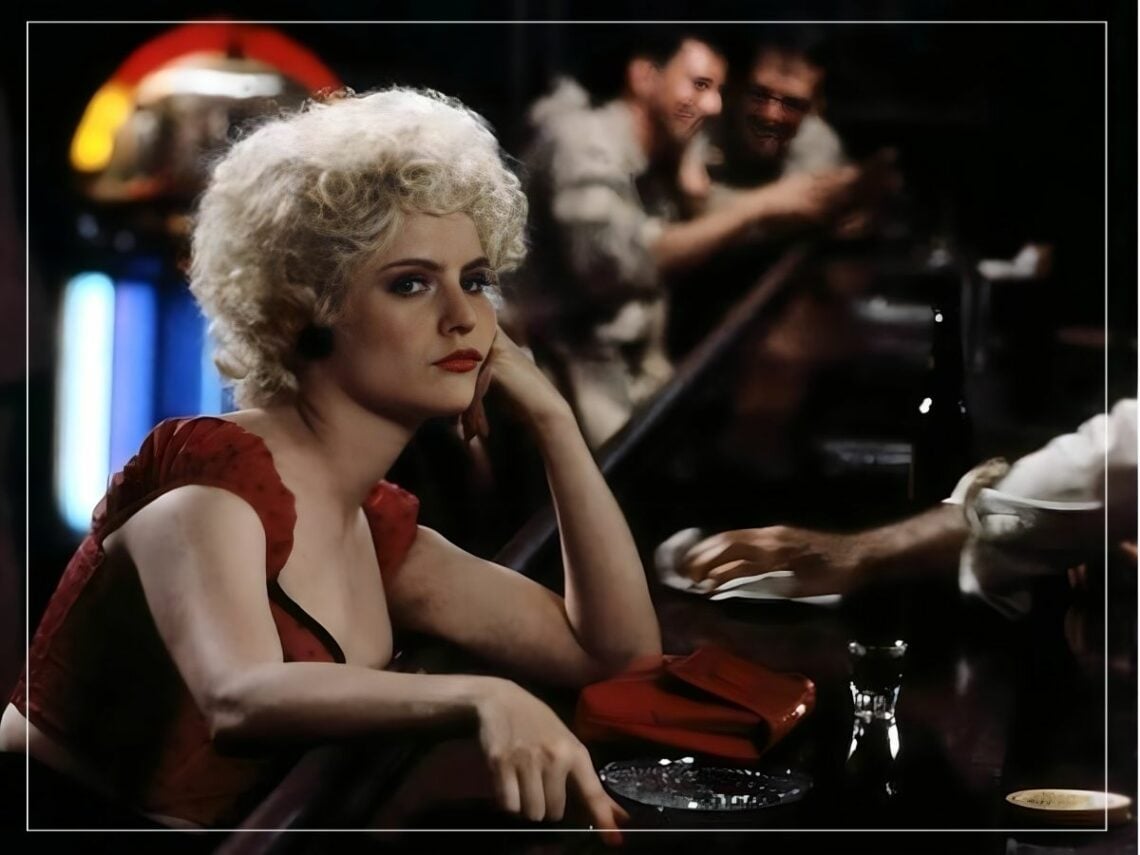
However, in 1989, German director Uli Edel adapted the novel for the screen, creating one long narrative of all the combined stories, a format that has now inspired the likes of Magnolia, Short Cuts and Pulp Fiction. Despite changing some key settings within the novel, it mostly stayed true to the original source material. It became a cult classic film that was marketed through the novel’s controversy.
Selby wrote many other novels, such as The Room, The Demon and Requiem for a Dream, which was inspired by his own struggles with addiction and were famously adapted by Darren Aronofsky in 2000. While some people struggled to recognise the value and importance of his work by shining a light on lesser-seen stories, his work didn’t sugarcoat the experiences of real people, sparking a public conversation about creative censorship and eventually allowing for these stories to enter the mainstream sphere.
Without his fearless imagination, we would collectively be deprived of so many films that we now know and love; films that have given a voice to people that are rarely the recipients of attention and broadening our collective empathy for these experiences. Sometimes, the act of creating something subversive is the only way to shove people forward, and without Selby, the stories we see now would be comparatively boring.
