


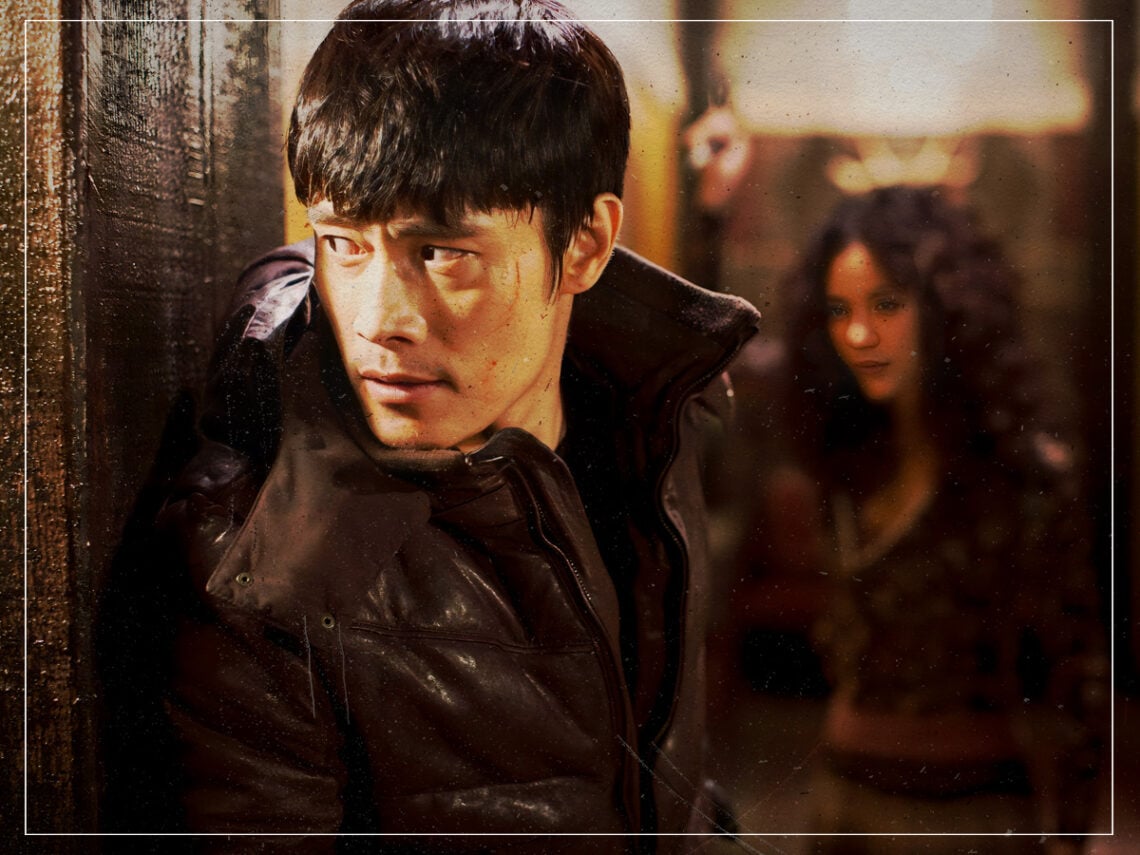
‘I Saw the Devil’: Korean cinema’s most violent revenge story

If there’s one thing that modern South Korean cinema is known for, then it’s a violent and bloody revenge story. While Park Chan-wook’s Oldboy is an absolute masterpiece of the genre and transcended its tropes in many ways, there are several other brilliant works, including Kim Jee-woon’s 2010 action thriller I Saw the Devil.
Kim first arrived on the Korean film scene in 1998 with the black comedy horror The Quiet Family before establishing himself with A Tale of Two Sisters and A Bittersweet Life. With I Saw the Devil, though, Kim announced himself as the auteur of one of the most visceral revenge stories ever told through the cinematic medium.
Narratively, I Saw the Devil tells of a highly skilled secret agent called Kim Soo-hyun, played by Lee Byung-hun, whose wife is tragically and brutally murdered by a deranged serial killer by the name of Jang Kyung-chul, played with equal brilliance by Choi Min-sik of Oldboy notoriety.
In the throes of grief and trauma, Soo-hyun sets about to take his vengeance on Kyung-chul. However, rather than merely kill his enemy and be done with the job, Soo-hyun decides to inflict long-lasting pain upon him, with the graphic violence and intensity of the film ramped right the way up by director Kim.
As the confrontations between the film’s two main characters climb in violence as the narrative proceeds, Kim pulls no punches in showing his audience the most gruesome acts performed by Kyung-chul amid his serial killings and the kind of retribution that Soon-hyun delivers to him once they come in to contact.
It might seem that such torturous depictions are there merely for the shock factor, but the truth is that by showing them in all their bloody detail, Kim invites us to reflect on the lengths that people will go to in order to a) exercise their evil intentions and b) take their grief and trauma out on someone who caused it in the first place.
Visually, I Saw the Devil toys with its violence perfectly, too, and a cold atmosphere runs throughout the film, making an audience feel as though they too are being held in a bleak, stony room at the mercy of a ruthless torturer. The brilliant use of lighting also helps to amplify the terror, meaning that when violence occurs, it happens meaningfully and gutturally in equal measure.
Beyond the aesthetic qualities of the film, though, one must give the rightful commendations to Lee Byung-hun and Choi Min-sik as a vengeful widow and a psychotic serial killer, respectively. There’s an important thematic quality to I Saw the Devil, too, in that even amid the ongoing violence, there’s an open question of whether Soo-hyun’s vengeance is indeed justified or whether he becomes just as morally corrupt as his enemy.
In seeking out his wife’s killer, Soo-hyun essentially becomes one, showing that there is a deep moral and social consideration from Kim and that violence is not just there for mere aesthetic or shock value. In fact, violence is an essential ingredient of I Saw the Devil because it asks the audience to justify it in the name of revenge.
Kim delivered one of the greatest modern revenge movies in 2010 with I Saw the Devil, and it’s an essential piece of the brilliance of contemporary Korean cinema. Undoubtedly, though, the film is not one for the squeamish. On the other hand, if you can hack the violence, it might just become a personal favourite, a bloodthirsty game of cat-and-mouse of the most visceral order.
