


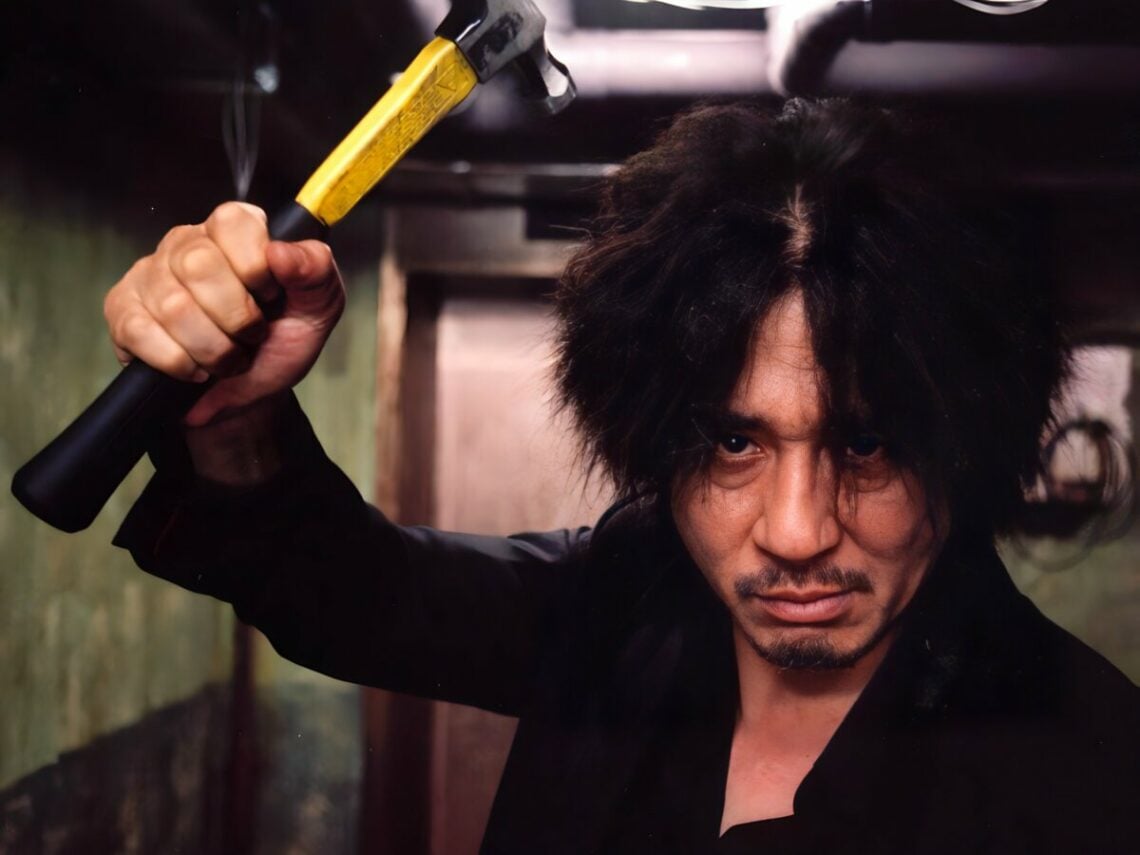
Choi Min-sik’s insane form of method acting in ‘Oldboy’

The pros and cons of method acting continue to be debated endlessly to this day, just as they have been ever since Marlon Brando burst onto the scene 70 years ago and changed the face of the profession forever, creating a legacy that has both devoted supporters and staunch opponents.
A rock-solid argument can be made that some roles simply can’t be played by people who turn up on the day, sit through wardrobe and makeup, step in front of the cameras, and then instantly switch into thespian mode to embody their character. Choi Min-sik’s Oh Dae-su from Park Chan-wook’s ferocious classic Oldboy is among that number, with the part requiring both inner steel and physical malleability.
A useless drunkard abducted from the streets after being bailed out of police custody for the umpteenth time, Dae-su spends the next 15 years confined to a cramped cell, becoming increasingly feral after his captors keep him regularly sedated. He’s barely had any human company for a decade and a half, but when he suddenly finds himself released, the first thing on his mind is to seek revenge on those who kept him imprisoned.
Unfortunately, Dae-su ends up even more broken after several startling revelations unravel the reasons why he was plucked from the gutter and held captive, with the final act of Oldboy a punch directly to the gut that sticks in the memory long after the credits come up. The protagonist goes on a journey of self-discovery that heads down even darker paths than he could have imagined, forcing Min-sik to immerse himself completely.
The signature hammer-assisted brawl was captured across 17 takes split over three days so that Chan-wook could realise his vision of letting it unfold as a single scene, with no cuts or camera trickery required. Min-ski spent six weeks in preparation for Oldboy‘s brain-shattering set piece and performed almost all of his own stunts throughout the entire production, but that was just one of the sacrifices he made.
The film wasn’t shot chronologically, but Dae-su’s weight fluctuates throughout the story depending on when it takes place and what his circumstances are at the time. It would have been a lot easier were filming to happen sequentially, leaving the actor to settle upon yo-yo-ing weight as his best option for authenticity. Min-sik would either gain or lose weight relative to which scenes were being shot, a strategy that allowed the story to unfold seamlessly but came with its own set of dangers and health risks.
The most infamous by far is the octopus-eating scene, though, with Min-sik deciding to forego any technological assistance or a helping hand from the props department in favour of consuming no less than four live octopuses. To make matters worse, the actor was both a practising Buddhist and staunch vegetarian, but at least he said a prayer for the quartet of cephalopods before guzzling them down.
It was an incredible tour-de-force that anchored one of the 21st century’s finest thrillers, and never let it be said that the leading man didn’t do a great deal of suffering in the name of his art.
