


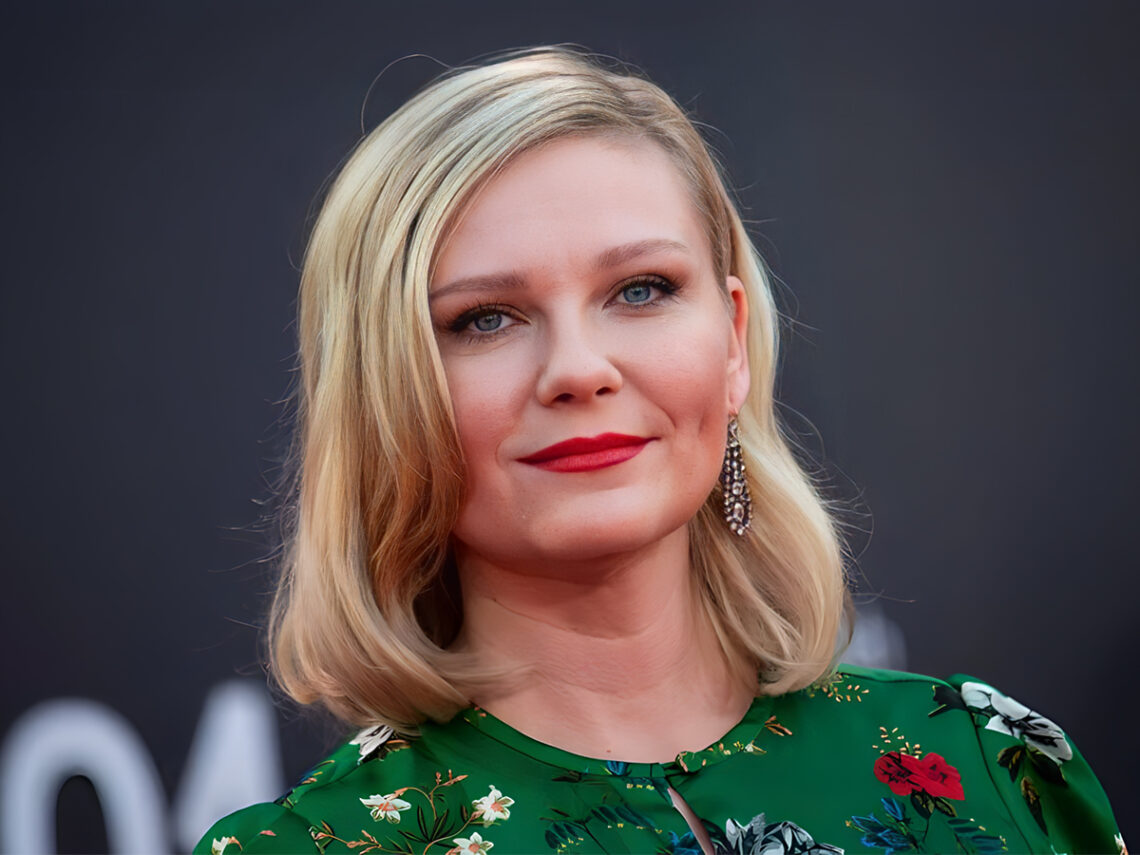
Kirsten Dunst on the influence of working with women directors: “The most important and prevalent in my choices”

There are some Hollywood pairings that are as infamous as the industry itself, whether it be Martin Scorsese and Robert De Niro, or Greta Gerwig and Saoirse Ronan, with their continuous collaboration leading to pictures that are beloved by audiences of all ilk and creeds.
There’s an indescribable synergy that can manifest when certain artists join forces, forging an instantaneous connection as if they are soulmates meant to create together. Sometimes, two people who have never crossed paths can suddenly seem as though they were meant for each other, a phenomenon that very much applies to the business of filmmaking.
However, perhaps one of the most famous pairings came after Kirsten Dunst first worked with Sofia Coppola, a match made in heaven that led to the dark dreaminess of Virgin Suicides and punky rebellion of Marie Antoinette. The duo have been inseparable ever since, with Dunst describing her as being ‘like a sister’ after years of working closely together on cult classic projects that defined the 1990s and early 2000s.
But while Dunst became the ultimate muse for Coppola, their relationship symbolised the beginning of a unique career path for Dunst and sparked her passion for levelling the playing field in Hollywood.
Over the course of her career, Dunst is one of the few actors in Hollywood who has committed herself to actually doing something about the lack of gender diversity, seeking out new female directors to work with and trying to expand the pool of people allowed to share their stories. The actor has spoken about the challenge of finding opportunities to work with female directors, but how, in a position of power, you have to seek them out yourself in order to bring them into the open.
It’s a tactic also employed by Nicole Kidman and Paul Mescal, with Dunst describing how she adopted this philosophy after her early experiences of working with women on pictures like Little Women and Virgin Suicides, saying, “Because I did Interview with a Vampire, which was all men, and I was the little girl on set so everyone was really sweet to me, but then I went and did Little Women and I was just with the most powerful women”.
As a result, being surrounded by women in the arts shaped her approach to selecting future projects, knowing that this was something she valued. “So at a young age, I got that lesson very early on and I think it informed me working with Gillian Armstrong then working with Sofia, and always having female relationships in this industry be the most important and most prevalent in my choices and in my life of where I got my self-esteem in this industry. I feel like if I hadn’t had those really pivotal relationships in my teenage years as an actress, things might have been different”.
The experience of being surrounded by women in positions of power is not one that many actors have, with the industry still being an extremely male-dominated place that brainwashes us into thinking that this is the norm. But for Dunst, her early start with iconic auteurs like Jane Campion and Sofia Coppola shone the light on a different future for herself, leading her to carve out a new way of doing things.
