


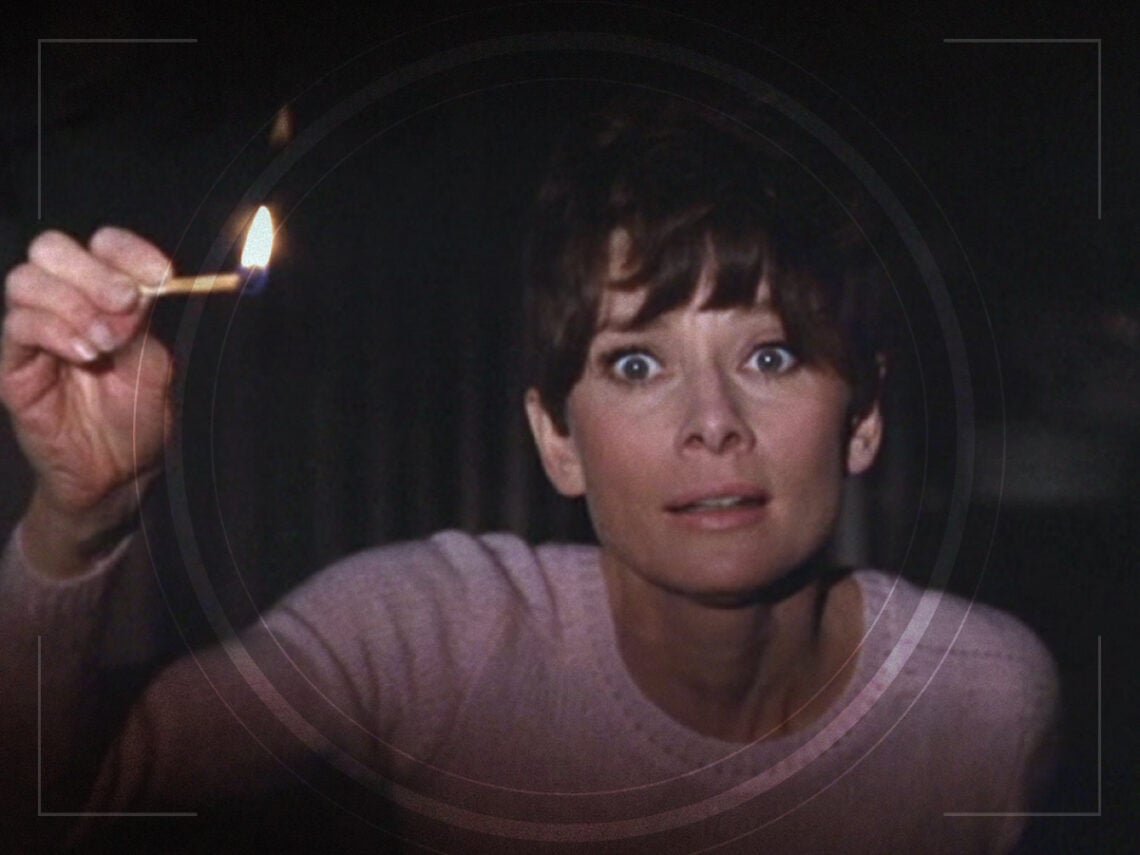
Anatomy of a jump scare: Terrorising Audrey Hepburn in ‘Wait Until Dark’

Jump scares are as integral to horror movies as jokes are to comedies.
They’re those shocking flashes of action that elicit screams from the audience, the split-second that is so unexpected and horrifying that it literally makes you jump. They usually take place just when a character thinks they’re safe. They hear something in the kitchen, creep downstairs to investigate, find nothing, and breathe a sigh of relief. Just as they’re about to walk back up the stairs to bed, a hand shoots out from behind a doorway and grabs them.
A Jump scare is the part of the movie that will be tattooed onto your brain and replayed ad nauseam in your nightmares. It’s the child corpse launching out of the water in Friday the 13th and the figure leaping out at the nurse in The Exorcist III. Decades later, it will still haunt you. Despite their preponderance in horror movies, though, jump scares are not limited to a single genre. The first Lord of the Rings movie has one of the most terrifying scenes of its kind, when Bilbo tries to snatch the ring shortly after giving it to Frodo. Mulholland Drive also has an infamous one. But it’s the jump scare in the 1967 Audrey Hepburn thriller Wait Until Dark that provides a masterclass in this foundational cinematic device.
Directed by Terence Young, who is most famous for helming the first three James Bond instalments, Wait Until Dark centres on a blind woman who is terrorised by three gangsters who are trying to find a doll filled with heroin that they believe has been hidden in her apartment. Susy (Hepburn) has only been blind for a short period and is still learning to navigate the world with her new condition. She appears to be a sitting duck, but as the thugs, led by Alan Arkin’s menacingly nonchalant Harry Roat, pose as various characters to gain entry to her basement flat, she proves to be a worthy opponent.
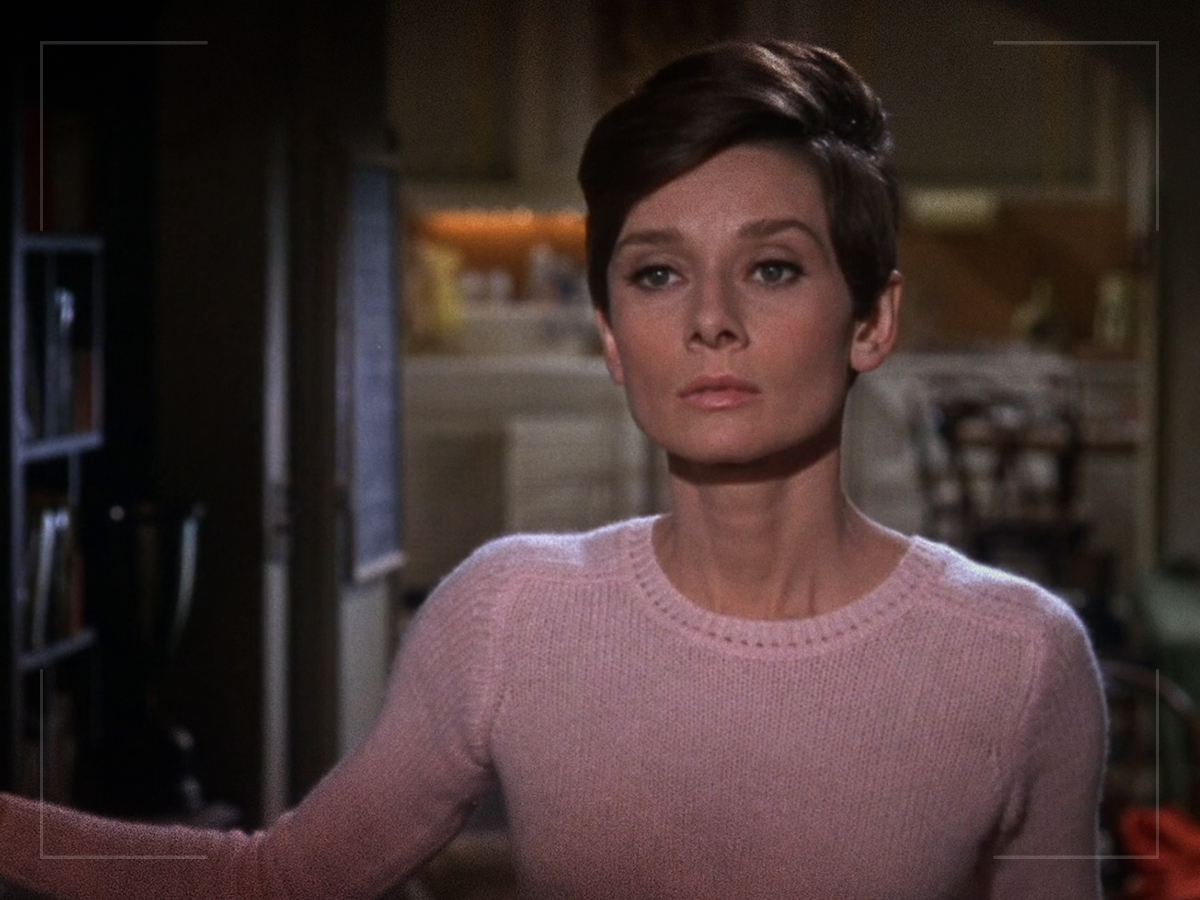
In the finale, Susy is trapped inside with Roat. He’s cut the cord to her telephone so that she can’t call the police, and he’s killed both of his associates, one of whom lies dead on the floor near the hallway. In order to level the playing field, she has smashed all the lightbulbs in the apartment to plunge Roat into darkness. After a brief struggle, however, he illuminates the space by opening the refrigerator door.
Beaten, Susy retrieves the doll, and Roat slices it open to reveal the heroin. Going back on his promise to leave her unharmed if she gave up the doll, Roat begins pushing Susy towards the bedroom. In the dark hallway, there is another struggle, and Roat falls to the floor with a knife in his stomach that Susy had grabbed while he tore open the doll.
Weeping with relief, Susy stumbles towards the kitchen window, moving slowly and stepping over the dead body of Roat’s associate. She seems to be on her way to shout for help out the window and end her interminable ordeal. All of a sudden, Roat flies out of the darkness, wielding the knife, accompanied by a now-standardised stab of orchestral dissonance.
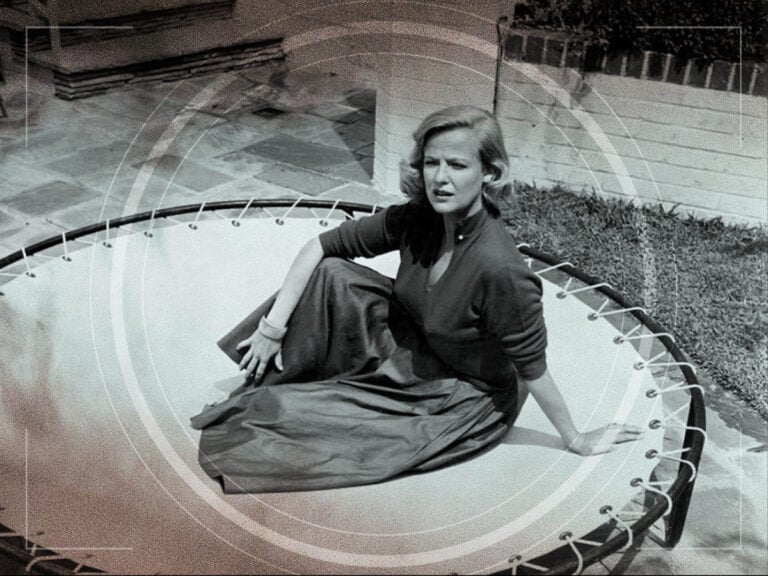
“People can talk about Alien or Psycho or whatever all day long,” James Cameron said in an interview with Empire while discussing the film, “But the scene that I vividly remember truly rocking the house was when Alan Arkin… leaps out of the dark and grabs poor blind Audrey Hepburn’s ankle.”
He remembered the audience “[losing] their shit,” and screaming like little girls. Wait Until Dark is not a horror movie, and it would be tough to argue that this moment is the scariest jump scare to ever hit the big screen, but it is one of the most effective. As Cameron said, the response it evokes is “physical, involuntary, universal, and perfectly synchronised.”
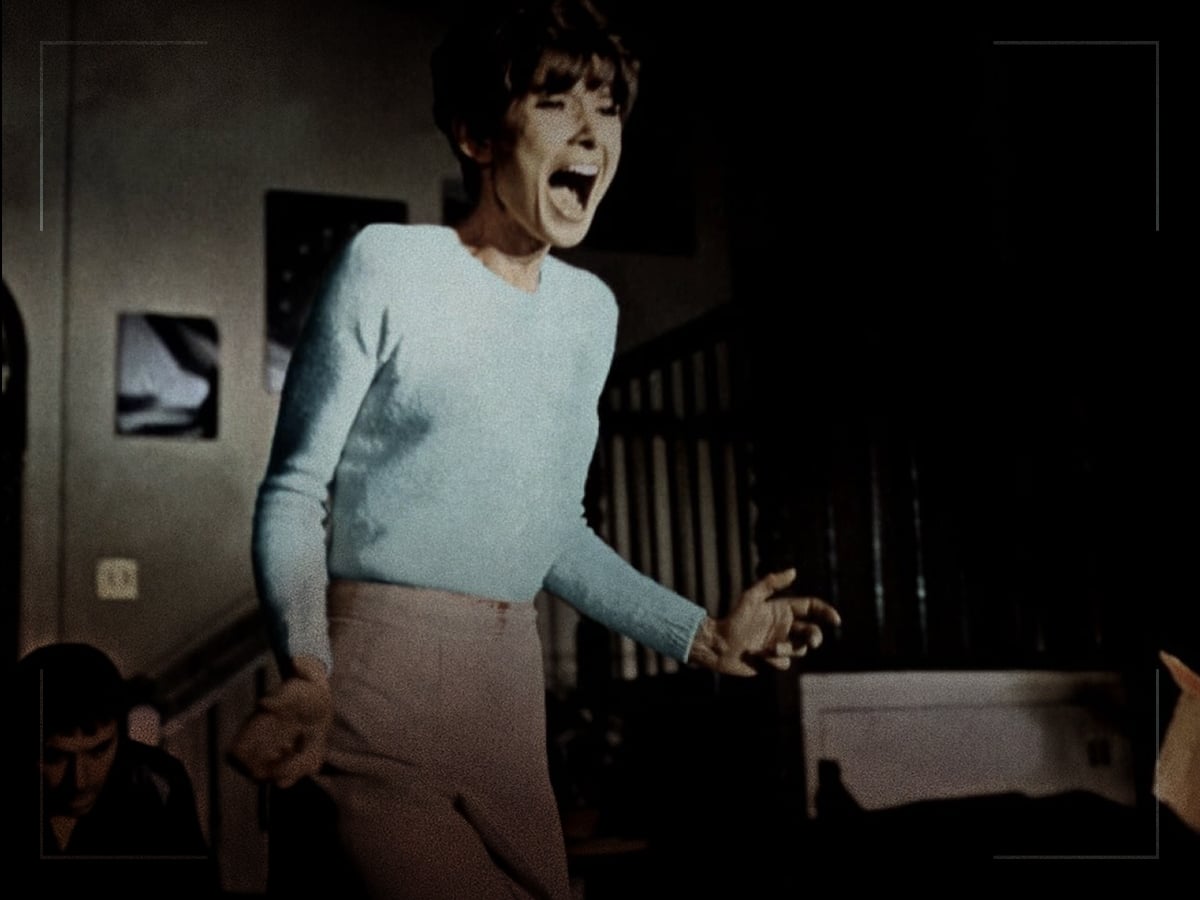
There are several reasons it works so well. It has the main hallmarks of the jump scare formula, including the fact that it takes place just when we think the protagonist is safe. The score is also crucial. Most of the scene takes place in complete silence, punctuated only by Hepburn’s sobs. That deafening, discordant sting comes out of nowhere, and seems to go straight to your nervous system before you’ve even registered Roat’s reappearance. Another factor is how he appears. Sure, a hand shooting out of the darkness is petrifying, but Roat flies through the air like a projectile. There is something almost supernatural about how long he is airborne.
Finally, there is a layer of subconscious surprise that doubles down on the usual formula. “What makes a jump scare work is classic misdirection,” C Robert Cargill, the screenwriter behind such horror hits as Sinister and The Black Phone, told The Verge. “A good jump scare is a magic trick.” The brilliance of Wait Until Dark is that there is more than one element of misdirection.
Not only has Roat seemingly died, but there is also another body in the apartment. Subconsciously, the body of his dead associate reinforces the certainty that Roat has perished. When he explodes out of the hallway, it takes a moment to understand which of them has come back from the dead and realise that it is not, in fact, a supernatural rebirth.
Arkin remembers hearing audiences screaming at this moment when the film was in cinemas. There was so much screaming, in fact, that it “scared the hell out [of him]”. Stephen King would later call his performance, especially in that last 15 minutes, possibly the “greatest evocation of screen villainy ever.” For Arkin, though, it wasn’t a particularly pleasant experience.
“I hated terrorising Audrey Hepburn,” he said. “I was nuts about her.” Luckily, she earned an Oscar nomination for her troubles.
