


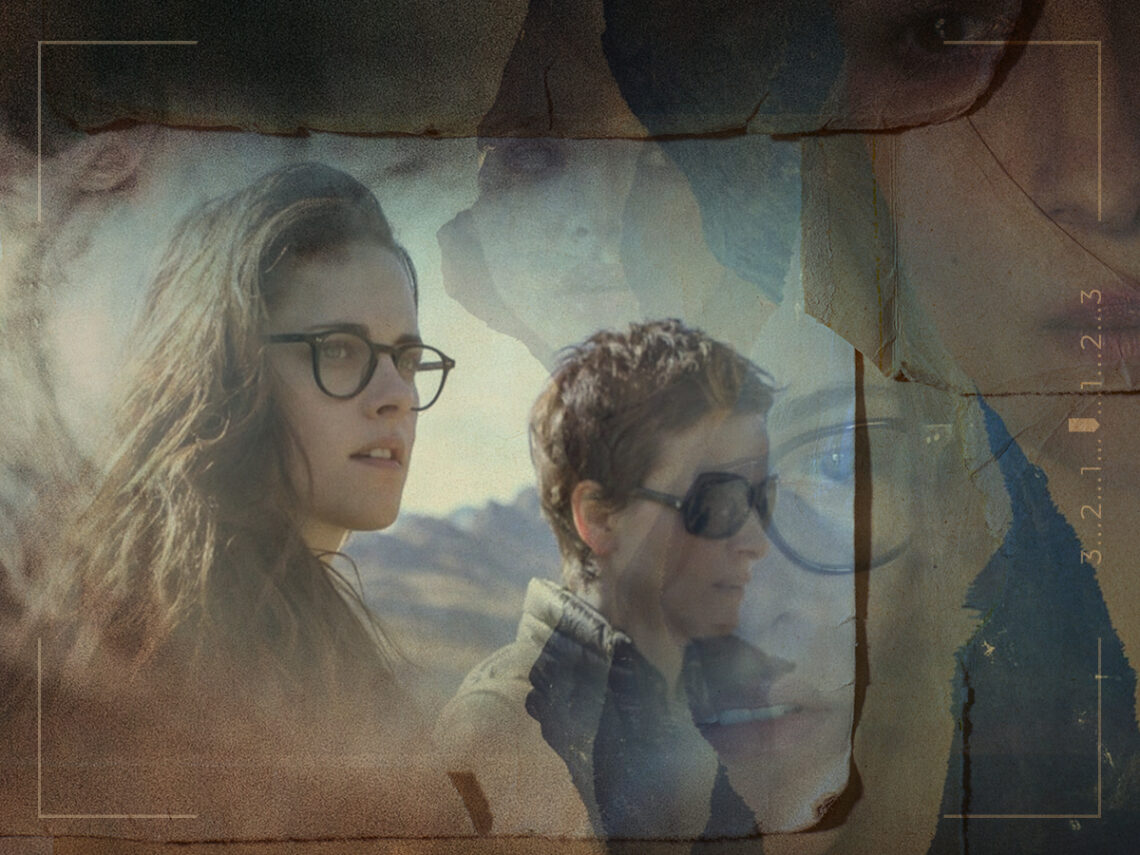
Juliette Binoche: an uncomfortable reckoning with jealousy and performance in ‘Clouds of Sils Maria’

Olivier Assayas is a master of exploring grey areas within filmmaking, with an inquisitive approach to storytelling that has led him to bend the rules of genre, form and structure, demonstrating an expert fluidity that shows an incisive understanding of the medium. After starting out as a film critic at the infamous Cahiers Du Cinema, the director expanded his expertise behind the camera, becoming known for stories that blur the line between reality and fantasy and exploring the tangled relationship between work, life and art.
Through films such as Irma Vep, Personal Shopper and Summer Hours, Assayas creates an intimate style that interweaves between the unique inter-personal dynamics of strained relationships, whether it be the relationship between an artist and their work or a grieving son to his mother’s antiques collection.
All of his films are deeply introspective and thought-provoking, but there is one that sticks out as being the most challenging, with a subtle yet disturbing message that is brilliantly portrayed by the great Juliette Binoche.
Binoche has built a reputation for her complex and intoxicating performances that often play on the idea of deception and false self-presentation, with mind-bending narratives in Certified Copy and Cache that create an inner puzzle for the audience to journey through and figure out which version of the truth is the same. However, her character in Clouds of Sils Maria is perhaps the most perplexing, with a trippy exploration of fame, obsoletion, ageing and an actor’s strangely sexual yet toxic relationship with her younger assistant.
Clouds of Sils Maria follows an actor who is asked to reprise a role in a production of a play that launched her career twenty years earlier, asked to play the older character after rising to fame for her depiction of the younger character. After asking her much younger assistant to help her learn lines and prepare for her role, the power dynamics in their relationship slowly start to shift. As they journey through the mountains of Sils Maria and test the boundaries of their professional and personal relationship, we learn that the film is partly about jealousy and the ways this manifests, which is a difficult feeling to explore given that it often boils down to emotional subtleties that you don’t notice straight away.
Binoche is incredible at showing this simmering tension and askew power dynamic with her assistant, creating moments that make you feel as though they’re constantly on the edge of a confrontation after every interaction. You never quite know if one of them is crossing a line, if the relationship is platonic, professional or sexual, with their relationship mirroring the one in the play as life begins to imitate art. After a while, you lose sight of whether they’re reading lines or talking authentically, but regardless, the lines reveal truths about their relationship that neither of them would dare say out loud.
The ambivalent and enigmatic nature of their relationship creates a mood of deception and ambiguity, unaware of the difference between truth and fiction. This is expertly captured through Binoche’s lingering gaze, hidden double meanings and quick temper, with a quietly devastating performance that highlights her own fears about obsoletion, beauty and youth as she grapples with the woman she used to be, the one she longs to be, and the woman she is now.
