


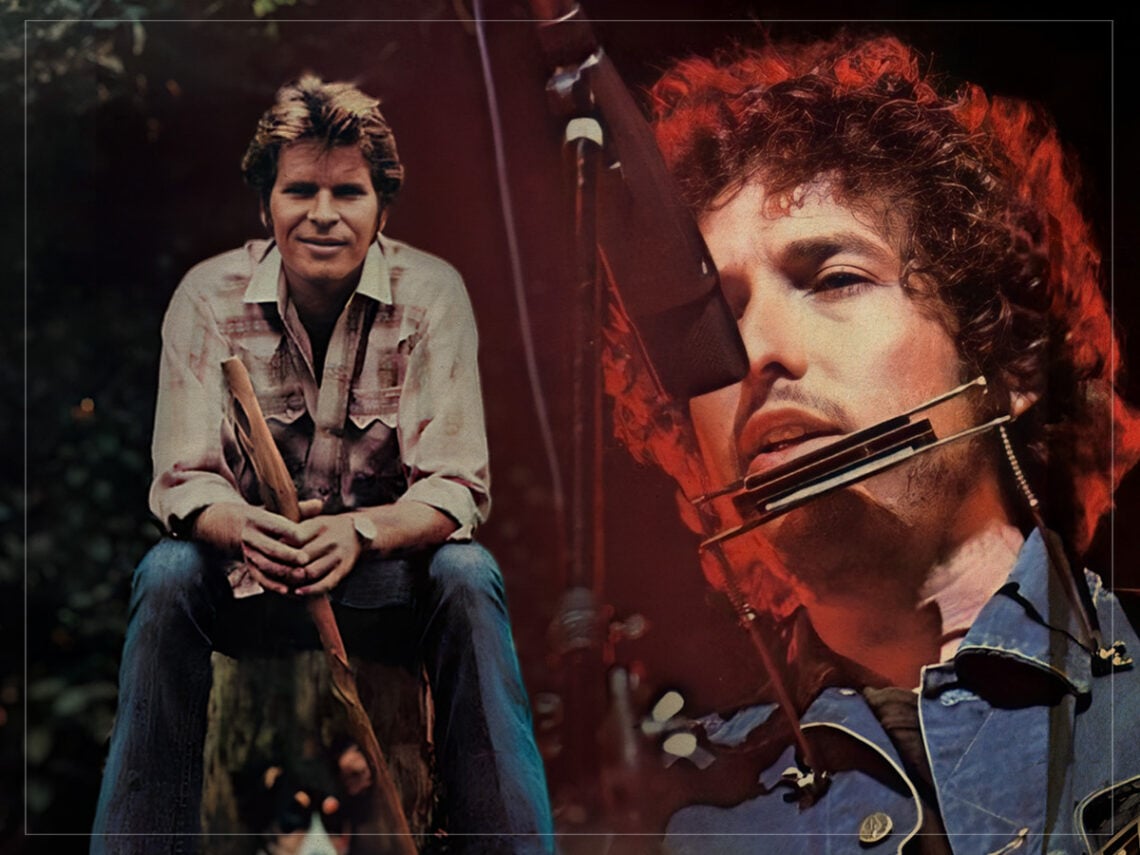
Why John Fogerty called Bob Dylan “the poster boy of protest songs”

Creedence Clearwater Revival‘s ‘Fortunate Son’ is often cited as one of the definitive protest songs of the 1970s.
Blue-collar pride meets defiant anti-war statements in a track that captures the free but revolutionary spirit of ’70s counterculture, as the gritty atmosphere of the song and, in particular, John Fogerty’s vocals are rooted in the real-life experiences that inspired it.
The liberal rocker was drafted into the US Army in 1966 during the Vietnam War, but on the day he received his notice, he immediately enlisted in the Army Reserve, where he was provided the opportunity to serve as a supply clerk for six months of active duty. For an active protestor of the Vietnam War, this was as close to a victory as a young Fogerty could expect.
But still, it left a sour taste in his mouth and thus inspired one of the most iconic protest songs of all time. “The thoughts behind this song – it was a lot of anger,” he explained.
Adding, “So it was the Vietnam War going on. Now I was drafted, and they’re making me fight, and no one has actually defined why. So this was all boiling inside of me, and I sat down on the edge of my bed, and out came, ‘It ain’t me, it ain’t me, I ain’t no senator’s son!’ You know, it took about 20 minutes to write the song.”
But while the iconic Creedence Clearwater Revival track seemed to roll off the sharpened tongue of Fogerty, he was still a student of protest music as an art form. Despite having a clear natural ability to pen a tune that encapsulated the bitter rage of a misunderstood generation, he watched his peers continue their attack on the government, taking notes of just how to follow their creative lead.
Of course, standing right next to him in the creative trenches during those years was Bob Dylan. Ever since his debut album in 1963, the songwriter had been using his music to publicly criticise any form of injustice that lay in front of him and in doing so, became the north star for a generation of socially conscious musicians.
“Probably the greatest songwriter in the rock and roll era, he had a different way with words,” Fogerty explained. He continued, outlining how Dylan approached it with an unrivalled sense of nuance, “But Bob was talking about the human condition.”
Adding, “He always said he didn’t write any protest songs, but I think he was the poster boy of protest songs. He was challenging, especially for young people who maybe didn’t think that way, because they didn’t notice. You know, they weren’t told a lot in school. In this case, you could learn more from a three-minute record or maybe two than you could learn in school.”
Protests in music can manifest in many forms. There is, as Fogerty showed, a way of directly scathing your opponents, with unflinching and direct lyrics that highlight their shortcomings. Or there was Dylan’s method of approach, which reminded us all that resistance can exist within the walls of our own mind. It’s up to you which you prefer.

Never Miss A Tale
The Far Out Bob Dylan Newsletter
All the latest stories about Bob Dylan from the independent voice of culture.
Straight to your inbox.