


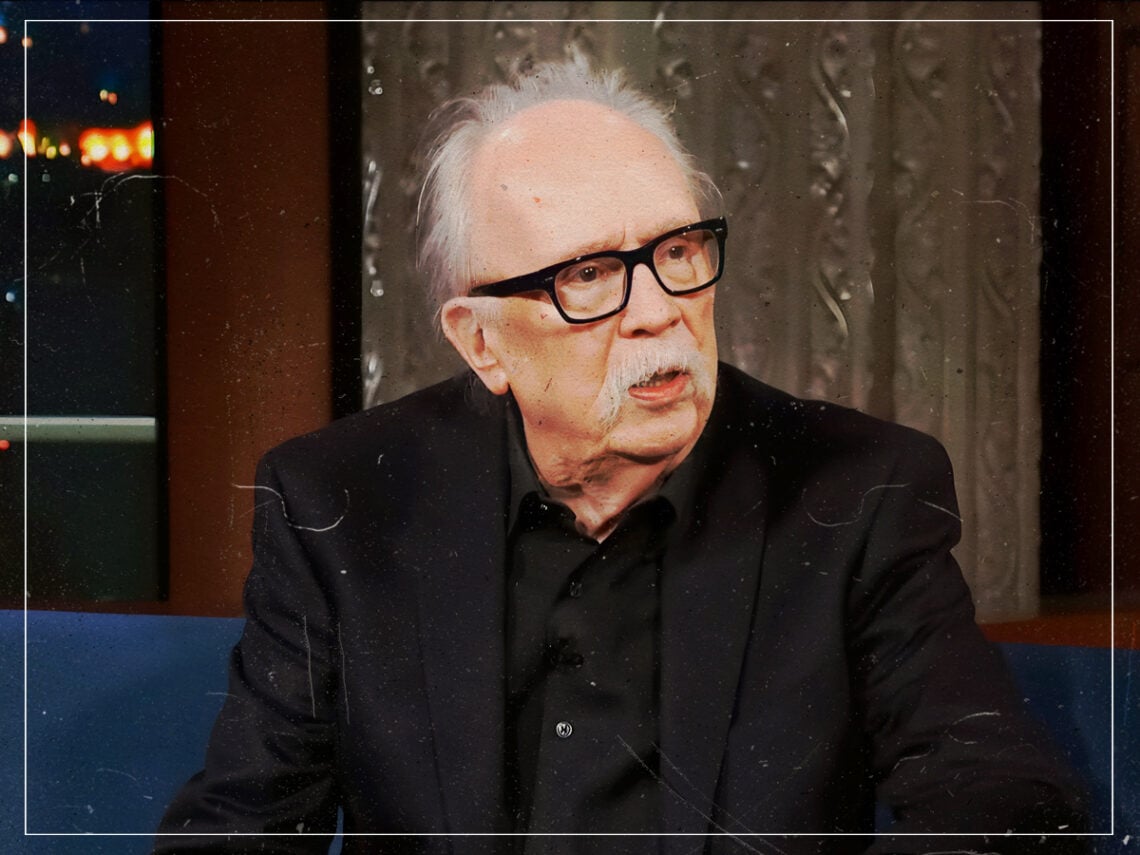
How John Carpenter’s music helped influence his directing: “I got another layer of creativity on top”

The use of sound and music in film is one of cinema’s most important elements. Not many directors have doubled as composers, and even fewer have continued contributing to soundtracks even after stepping away from behind-the-camera business, but John Carpenter made a career out of doing both.
Some directors like their scores to mirror the characters’ feelings, others prefer for them to be a subtle addition to the emotional landscape, and a select few choose to do neither, deliberately wanting a score that contradicts everything seen on screen.
David Lynch would famously use songs that felt jarring and out of place, such as the trumpet melody in the Club Silencio scene of Mulholland Drive or the unexpected use of Roy Orbison in Blue Velvet. But then there are some directors who use the score as a way of heightening the existing mood, elevating its impact to new levels with a devastating score that feels like a punch to the gut.
Filmmakers like Lynch, Charlie Chaplin, and Dario Argento have all been heavily involved in the composing of many of their scores, but Carpenter is a rare case, building a name for himself as musician and director, with sole credits for both on many of his projects.
When Halloween was released in 1978, it inspired the entire future of slasher cinema with its hauntingly repetitive but simplistic music theme, a motif that stalks Jamie Lee Curtis’ Laurie Strode as she screams and hides from Michael Myers. It was the film that put Carpenter on the map as a composer and auteur, creating an iconic soundscape that has influenced decades of horror with its sparse and chilling sound.
Carpenter continued to score his own work, and when asked about how this process informed his directing, he explained his process to Riot Fest. “I expressed myself also as a musician in the sense that I got another layer of creativity on top of directing a movie; it enhanced the storytelling,” he said. “A director visually tells a movie story, and the composer also tells the story musically.”
Whilst the director is the driving force of the film’s voice and vision, the added ability to shape and define the emotional landscape of the film through the sound makes the role even more powerful, with Carpenter outlining how the music “enhances the thematic material the director is working with,” and when working in synchronicity with the narrative, “That just deepens everything.”
It’s a crossover that rarely has an impact as huge as that of Carpenter, who is simultaneously known for his ground-breaking work advancing the horror genre through a filmography filled to the brim with classics and creating a distinct musical voice that makes his oeuvre as identifiable for the ears as it is for the eyes.
