


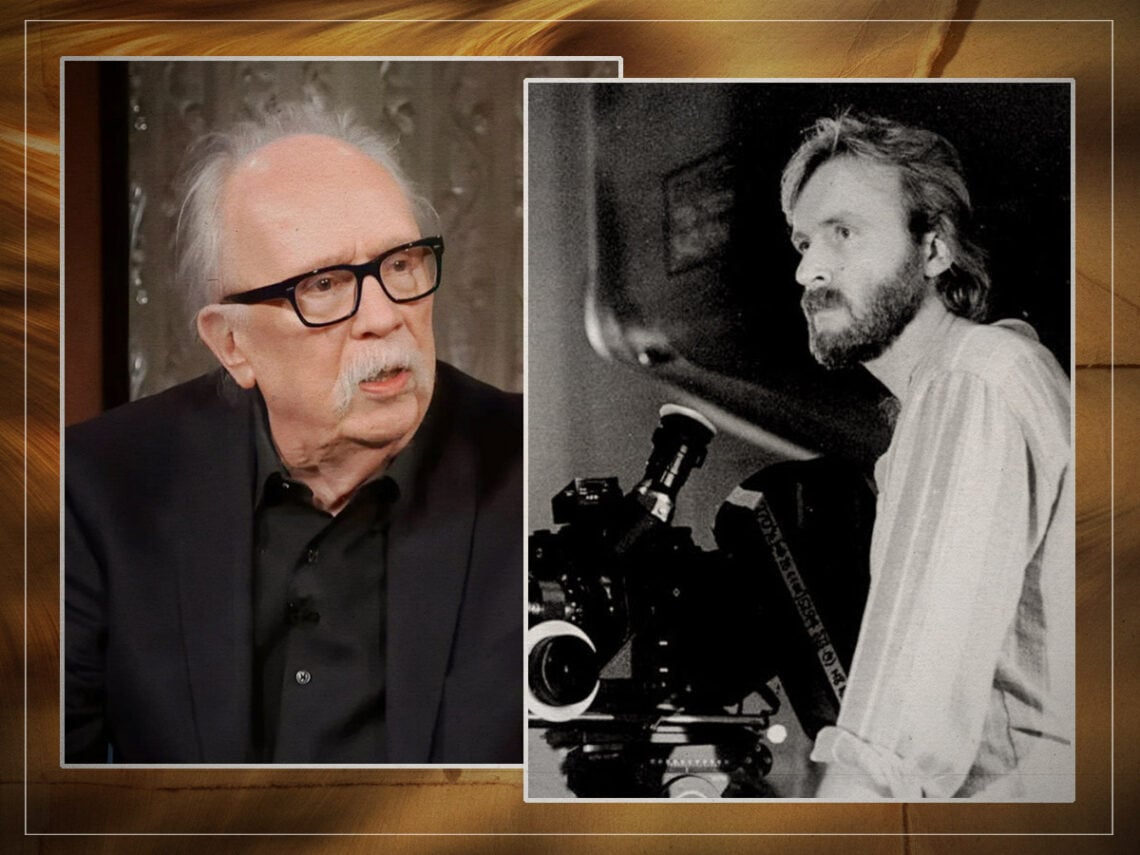
John Carpenter’s first meeting with a young James Cameron: “He was the resident genius”

John Carpenter is seen as one of the masters of horror, with the director crafting timeless terrors such as Halloween and The Thing on shoestring budgets and constrained schedules. His talents also extend to the musical world, with the director creating iconic scores that have changed the history of film composition itself, known for the hauntingly repetitive and dangerous theme for Halloween that accompanies Jamie Lee Curtis on her quest. Considered an auteur within the genre and with a keen eye for detail, perhaps it was this quality that led Carpenter to notice the talents of another well-known filmmaker at the start of his career.
The Fog was directed by Carpenter in 1980, following a coastal Californian town that becomes engulfed in a mysterious fog, leading to strange inexplicable occurrences. The film came after the success of Halloween, and while it isn’t as widely known within his body of work, it led to one key discovery.
The practical and special effects in Carpenter’s films are nearly as infamous as the stories themselves, with The Thing, in particular, becoming iconic for its ingenious use of practical effects as a strange creature invaded the bodies of several unsuspecting scientists. But, unbeknownst to many people, one other filmmaker was working on the film before becoming one of the most commercially successful directors of all time.
James Cameron started his Hollywood career in the special effects department, working on films such as Piranha and Escape from New York and creating miniature models at the Roger Corman facility. He used his skills to also work in art direction and production design. It was through his work at the Corman facility that Carpenter met Cameron.
The horror director described the encounter, saying, “When I went over to visit the Corman facility, where the special effects were done, he was the genius, the resident genius – everyone was talking about how great he was. I remember meeting him on the set. Actually, it was over in the San Fernando Valley; he was doing a glass painting for us. He was sitting on a hillside with some glass setup, painting a New York skyline to be able to shoot the next shot. It was just beautiful – he was really technically great. So I said hi to him, we talked a little bit, and that was about it…”
The attention to detail needed for this craft is reflected in Cameron’s later films, with the precision of the effects in Avatar and the colossal scale of Titanic showing an ability to coordinate immersive stories and meticulously craft the world seen on screen.
Shortly after this time, Cameron wrote the script for The Terminator, which ended up being the film that launched his directing career. Both directors have added something unique to the world of cinema, but Cameron’s work with Carpenter was no doubt informative in inspiring his craft and the style that he carried into the projects he later helmed. His unique experience in all aspects of production added to his later films and led him to be known as one of the most innovative directors of all time.
