


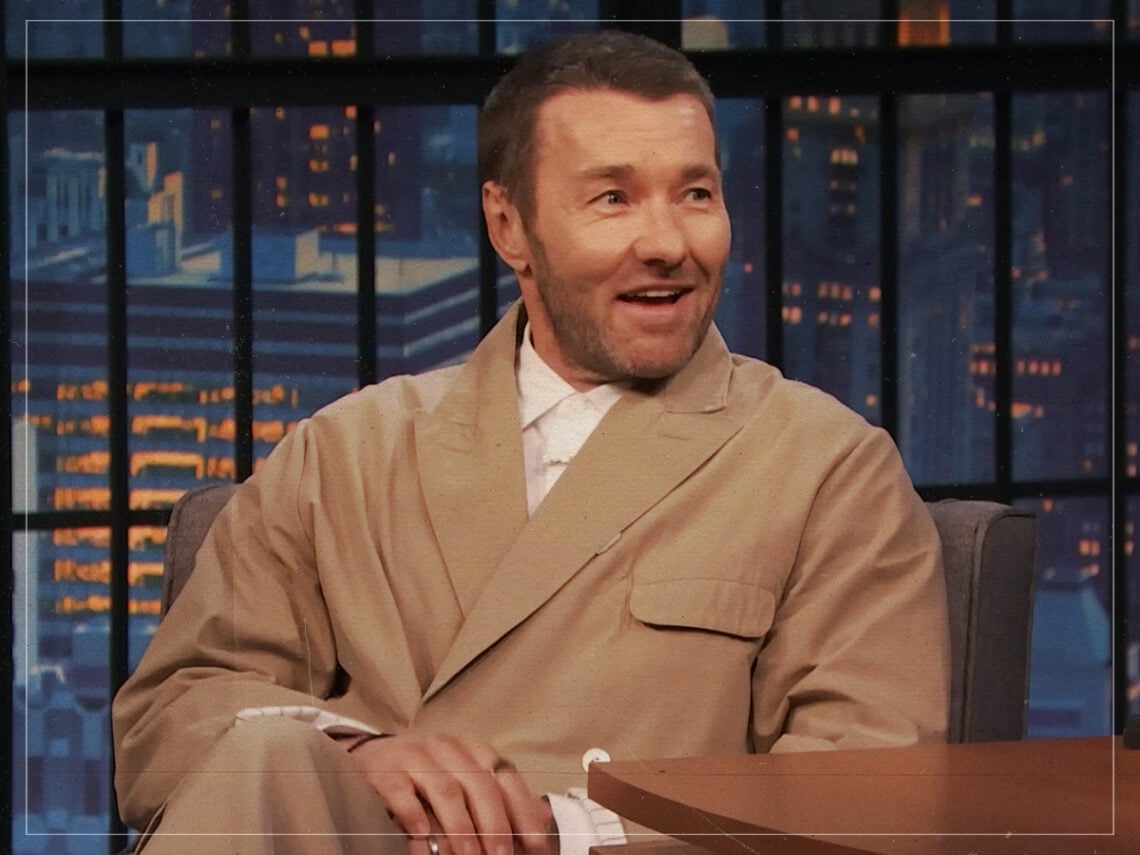
Joel Edgerton names his most harshly treated 2017 movie: “Critics were a little bit too harsh”

Netflix has become such a powerful distributor of original films in recent years, producing more new releases than any other studio, that it is easy to forget that the streaming service took some time to get into blockbuster filmmaking.
Although they have been releasing original films since 2015 with Beasts of No Nation, it wasn’t until December 2017 that the streamer debuted its biggest-budgeted film to date in Bright, a crime thriller directed by David Ayer, set in a modern high fantasy world where all the creatures of classical sword-and-sorcery epics exist in the modern day. Will Smith starred as a member of the Los Angeles Police Department who is partnered with the first orc to ever become a cop, played by Joel Edgerton.
To say that the film earned some backlash would be putting it mildly, as although Ayer’s directorial style and visual sensibilities had already been under fire after the release of the DC film Suicide Squad, Bright was accused of having a lazy metaphor for race relations, and one that was surprisingly similar to the Oscar-winning Disney animated film Zootopia from just a year prior.
Despite the scathing reviews for nearly every aspect, Edgerton’s performance wasn’t necessarily singled out as an issue; in fact, most agreed that his commitment to the role was the best part of the film, but Edgerton felt that the response to the film in reviews didn’t match the reactions he saw from audiences.
“I have a lot of feelings about Bright,” Edgerton said, “In general, I’m fascinated by the critical response versus audience responses of movies. Either the audience score is super low, and the critics love it, or the critics hate it, but the audience is like, ‘actually, we love this.’”
He explained that the reaction he saw to Bright was unlike anything he had experienced before in his career. “Bright was one of those ones that I think was in the sort of low 30s for the critics, but it struck a chord with people,” Edgerton said, “Netflix would be able to tell you that with their algorithms, but enough people were taking the time to rate the movie high, which meant that there was definitely an appetite for more, and I often thought the critics were a little bit too harsh on that movie.”
It’s refreshing that Edgerton doesn’t seem to be attacking critics in the way that some other actors and filmmakers have, and he does raise some interesting points about Bright. While the film doesn’t quite come together, it does present some interesting ideas and certainly takes risks, which is more than can be said about the vast majority of Netflix originals.
It also happened to be the victim of bad timing, as given recent anti-cop protests in the United States, a film with some underdeveloped metaphors for race relations and police brutality wasn’t going to be objectively assessed. What’s most surprising is that Bright was never continued, despite the viewership records that Edgerton mentioned.
Although it was clearly a film that people watched, the controversies surrounding screenwriter Max Landis and Smith himself may have diluted any enthusiasm about what a sequel could look like. It’s nonetheless a fascinating object; while not ‘good’ by the strict definition, Bright isn’t necessarily something that anyone should be ashamed of.
