


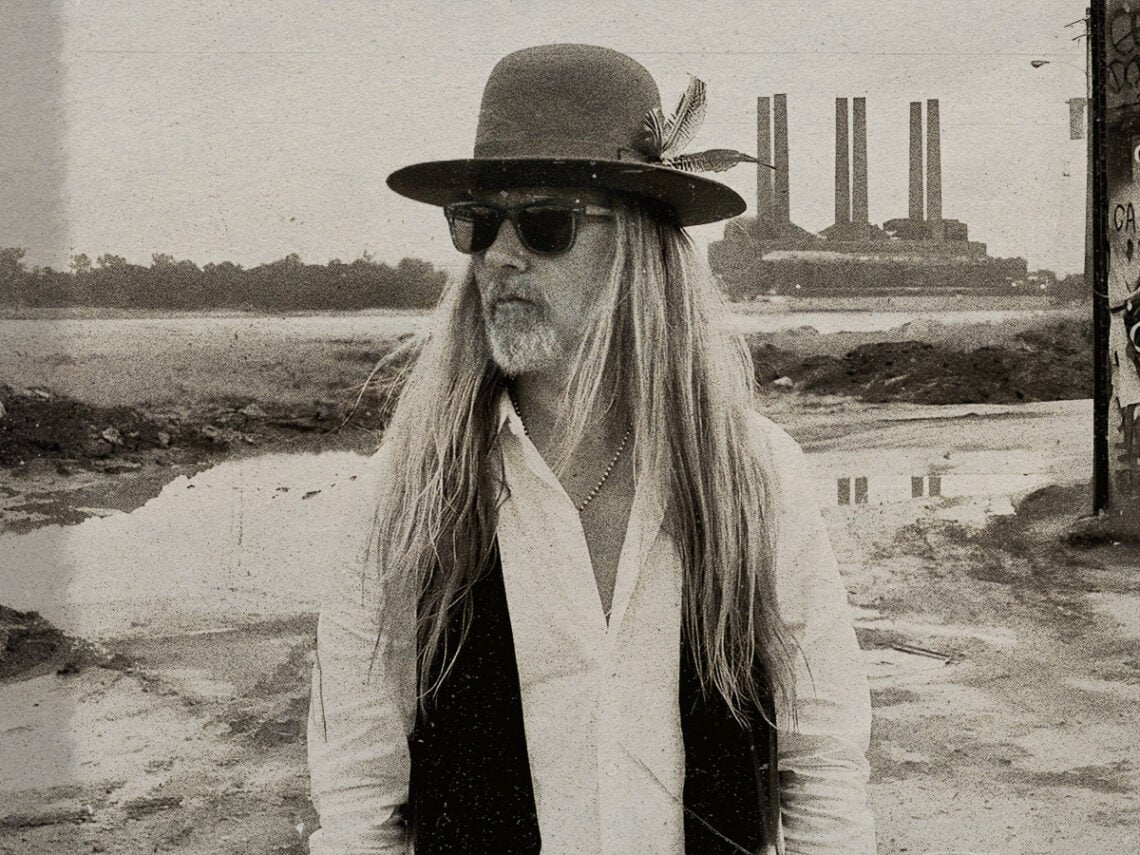
Jerry Cantrell on the heaviest thing he ever wrote: “The sickest, darkest, most fucked up thing”

Amongst the gatekeepers of punk / alternative culture in Seattle, Alice In Chains didn’t immediately have the same street cred as the likes of Nirvana and Soundgarden. Unlike those fellow future members of the unwitting “grunge” community, most of the guys in Alice In Chains had their roots in the hair metal scene of the 1980s, with frontman Layne Staley fronting an early glam incarnation of the band called Alice N’ Chains before meeting Jerry Cantrell in 1987 and launching something considerably better: Alice IN Chains.
By 1992, even some of AIC’s more vocal sceptics had been forced to acknowledge that, by just about any fair assessment, Cantrell and Staley were writing very strong songs—about as far away from the vapid lyrical turf of hair metal as one could possibly venture. The dark materials of the Alice in Chains sound weren’t invented to follow any trend either.
During the sessions for the band’s second album, the multi-platinum selling Dirt, Staley was in the throes of heroin addiction, while bassist Mike Starr and drummer Sean Kinney were battling with alcoholism. At the same time, directly outside the recording studio in Los Angeles, there was rampant looting and rioting in the wake of the Rodney King trial verdict, which had acquitted four LA police officers who’d beaten King nearly to death. It was a dark, ugly time, and Alice In Chains—despite being on the upswing of a breakout career moment—were reflecting those vibes.
So, when guitarist Jerry Cantrell says that one of the tracks on Dirt required him to dig deep and find the heaviest, nastiest sound he could manage, one could actually make several educated guesses at which song he was talking about. This is a record with some of the most devastating riffs of the 1990s: ‘Them Bones’, ‘Would’, and ‘Angry Chair’ all come to mind. Thematic heft is also in great supply in the form of two of the era’s biggest rock radio ballads, ‘Rooster’ (which Cantrell wrote about his father’s experience in Vietnam) and ‘Down in a Hole’. In terms of courting controversy, though, it’s Dirt’s not-so-subtle heroin anthems that garnered a lot of attention. This included ‘Junkhead’, ‘God Smack’, and ‘Sickman’—the latter of which was the one Cantrell singled out as a direct challenge from his bandmate.
“Layne came to me one day and told me to write the sickest tune; the sickest, darkest, most fucked up and heaviest thing I could write, and that’s what I did,” Cantrell explained in the liner notes to the band’s Music Bank box set in 1999. “I wrote the music, gave it to him, and he wrote the lyrics.”
To this day, the heroin songs on Dirt are a tough listen, not helped by the knowledge of Layne Staley’s ultimate fate, given that he died of a drug overdose in 2002. The words he put to Cantrell’s chaotic sludge-and-rush licks and Kinney’s death march drums make ‘Sickman’ particularly depressing: “I tread on a plane of many / We who are of good nature and intention / But cannot touch on the dark / Recesses of memory.”
Staley would later say that he regretted how some fans responded to his confessional songwriting by somehow interpreting songs like ‘Sickman’ as a glorification of drug use.
Cantrell defended the songs on Dirt, as well, in a 1993 interview with RIP magazine. “I think ‘Sickman’ is not that bad. I thought most of the hassle would come from ‘Junkhead’ and ‘God Smack’,” he said. “Those songs are put in sequence on the second side; those five songs from ‘Junkhead’ to ‘Angry Chair’ for a reason: Because it tells a story. It starts out with a really young naive attitude with ‘Junkhead’, like ‘drugs are great, sex is great, rock’n’ roll, yeah!’ Then, as it progresses, there’s a little bit of growing up and a little bit of a realisation of what it’s about, and that ain’t what it’s about”.
He added: “A good portion of it is a story, and it’s meant to be that way. It’s kind of overwhelming and unpleasant at times, unsettling maybe, but that’s why all those songs are together. Even if it’s disturbing, it’s not something anybody else needs to worry about or the way somebody else needs to live their life.”
