


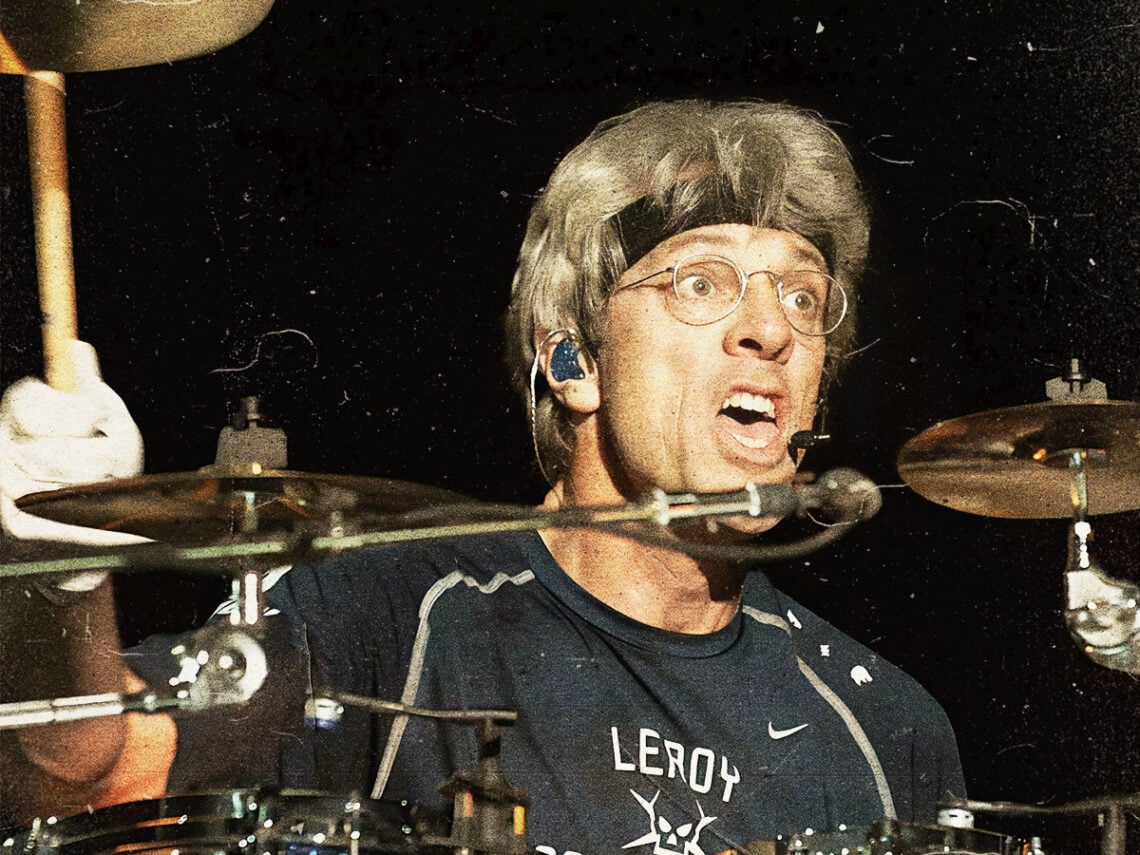
The jazz albums that changed Stewart Copeland’s life

The term virtuoso is somewhat thrown around. Does being able to replicate Eric Johnson’s ‘Cliffs Of Dover’ blindfolded count? Or is it more about the vision? Jack White is no shredder, but few have been able to replicate his majesty on the axe. If you can do both, however, you’re a shoo-in. So, who would argue Stewart Copeland, drummer of The Police and composer extraordinaire, isn’t a virtuoso in the truest sense of the word?
While most known for his work in the new wave titans, he’s a musical omnivore, as able to wax lyrical about The Beatles’ Help! as he is the works of minimalist composer Steve Reich. Which checks out, one would have to be to have his musical output. How else do you get to the sheer musical enlightenment that is composing the soundtrack to Spyro The Dragon? Exactly.
However, the music that truly shaped Copeland was jazz music. Not just from a taste point of view, either. Copeland met Sting and Andy Summers when they were all jobbing musicians on the UK jazz circuit. So, his passion for the genre, not to mention his ability, was what got him a spot in one of the biggest bands of the 1980s.
Today, one can see the sheer passion he still has for the genre In this personable, charming chat he has with Goldmine Magazine. In it, he talked about the ten albums that changed his life. While his taste covers everything from Leonard Bernstein to The Wailers, the jazz records on display really show the depth of his passion.
Stewart Copeland’s favourite jazz albums:
Dave Brubeck Quartet, Time Out
What were you listening to when you were seven years old? I, being a music lover of taste and class even back then was on a strict diet of The Smurfs and The Simpsons. Some of us, like Stewart Copeland however, were being turned onto some of the leading lights of jazz barely a year after starting grade school. Different strokes I guess.
I suppose it depends on how cool your parents were, right? In a way, it doesn’t really matter who the artist was because you were almost certainly not getting as much out of it as a young Stewart Copeland was getting out of this Dave Brubeck masterpiece. “From the age of seven unto this very day, I still sob with emotion on hearing the drum solo in ‘Take Five’.”
Buddy Rich, Swingin’ New Big Band
How do you know when you’re really, really into something? When you find yourself hating its guts. Hilariously, Copeland has a bit of a reputation for slagging off jazz whenever he gets to it, saying on a few occasions that “the problem with jazz musicians is that they all suck!” Objectively, he is very funny, but even he isn’t immune to the charms of Buddy Rich.
Which is fair enough. Mr Drums’ influence goes far beyond jazz, inspiring the likes of John Bonham, Keith Moon and even director Damien Chazelle, basing the film Whiplash around his music. Copeland himself says, “For drum-set virtuosity, Buddy inarguably set the bar back in 1966, and it has not been reached since. OK, go ahead and argue.” Oh, Stu, you old troll.
Mahavishnu Orchestra, The Inner Mounting Flame
Little known fact: if you show complicated music to a jazz musician, at least a small part of them will want to take a wack at it, whether it comes from delicate piano sonatas, the heaviest of all known metal or lung-busting trumpet lines. So, if you can find music technical enough to put off jazzers, you’ve done something right. Well, right in the way that to most people is very, very wrong indeed, but you know what I mean.
This album by former Miles Davis sideman and Jeff Beck anointed “best guitarist in the world John McLaughlin” is absolutely one of those records. Of course, sometimes you’ll get someone mental enough to put in the time and effort to take on the challenge if only to show off, and Stewart Copeland was both of those things. “I was the first kid on my block to figure out those Billy (Cobham) chops, and the bands I was in hated me for it.”
