


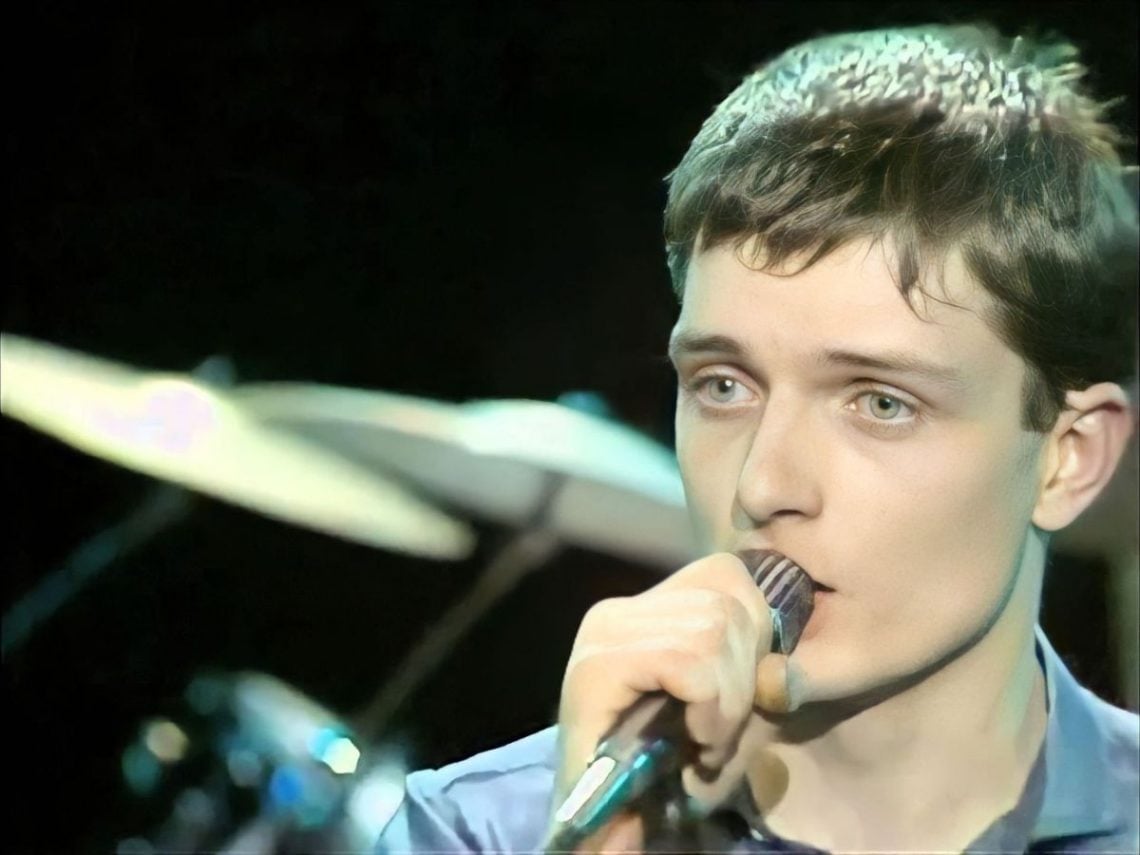
J.G. Ballard’s strange influence on Joy Division’s ‘Atrocity Exhibition’

During Joy Division’s short three-year run, they became one of the most influential bands to emerge from England, defining the post-punk scene during their short existence. With just two studio albums to their name, Joy Division proved that a small yet impressive discography is all that’s needed to be remembered as one of alternative rock’s greatest outfits.
Formed after Bernard Sumner and Peter Hook attended a Sex Pistols concert, Joy Division were originally called Warsaw, possessing a more punk-heavy sound. However, it didn’t take long for them to refine their sound, with vocalist Ian Curtis channelling a darker, Jim Morrison-esque tone. The dark, bass-heavy sound that defined their output greatly influenced the gothic rock subgenre, with bands such as The Cure citing Joy Division as a primary source of inspiration.
The Cure frontman Robert Smith once dubbed Joy Division as “just fantastic”, describing them as “the best thing I’d seen”. One of the reasons Joy Division were so captivating was due to their energetic live performances. The band kept words to a minimum and allowed their music to speak, typically playing with much more aggression than their albums possessed.
After releasing their seminal debut Unknown Pleasures, Joy Division began work on Closer, which the band shared after Curtis’ suicide. When sitting down with The Independent, Sumner recalled the album’s production, which occurred as Curtis struggled with his epilepsy, marital issues, and mental deterioration. He said: “While we were working on Closer, Ian said to me that doing this album felt very strange, because he felt that all his words were writing themselves. He also said that he had this terrible claustrophobic feeling that he was in a whirlpool and being pulled down, drowning.”
The creation of the album resulted in some of Curtis’ most personal songs, like ‘Atrocity Exhibition’. The musician sings about patients in mental asylums being viewed by the public for fun. “For entertainment, they watch his body twist/ Behind his eyes he says, ‘I still exist’,” Curtis poignantly sings.
Curtis’ lines seem to allude to people watching him perform on stage, delighting in his intense stage presence, despite his frenetic movements often stemming from an epileptic seizure. The song ends with the line “Take my hand and I’ll show you what was and will be”, paralleling the opening words from ‘Disorder’: “I’ve been waiting for a guide to come and take me by the hand”.
In ‘Atrocity Exhibition’, Curtis appears to have more clarity than before, even if it’s profoundly negative.
The song is named after J.G. Ballard’s short story collection of the same name. However, strangely, Curtis didn’t read it until he’d already written the song. The book was hugely controversial, depicting celebrities and political figures in bizarre, fantastical ways. In one story entitled ‘Why I Want to Fuck Ronald Reagan’, Ballard explored the way that the conservative politician presented himself with a smooth-talking demeanour who “exploit[ed] the fact that his TV audience would not be listening too closely, if at all, to what he was saying”.
In many ways, parallels between Ballard’s uniquely daring depiction of celebrity and Curtis’ exploration of entertainment and exploitation can be drawn. Revisit Joy Division’s track below.
