


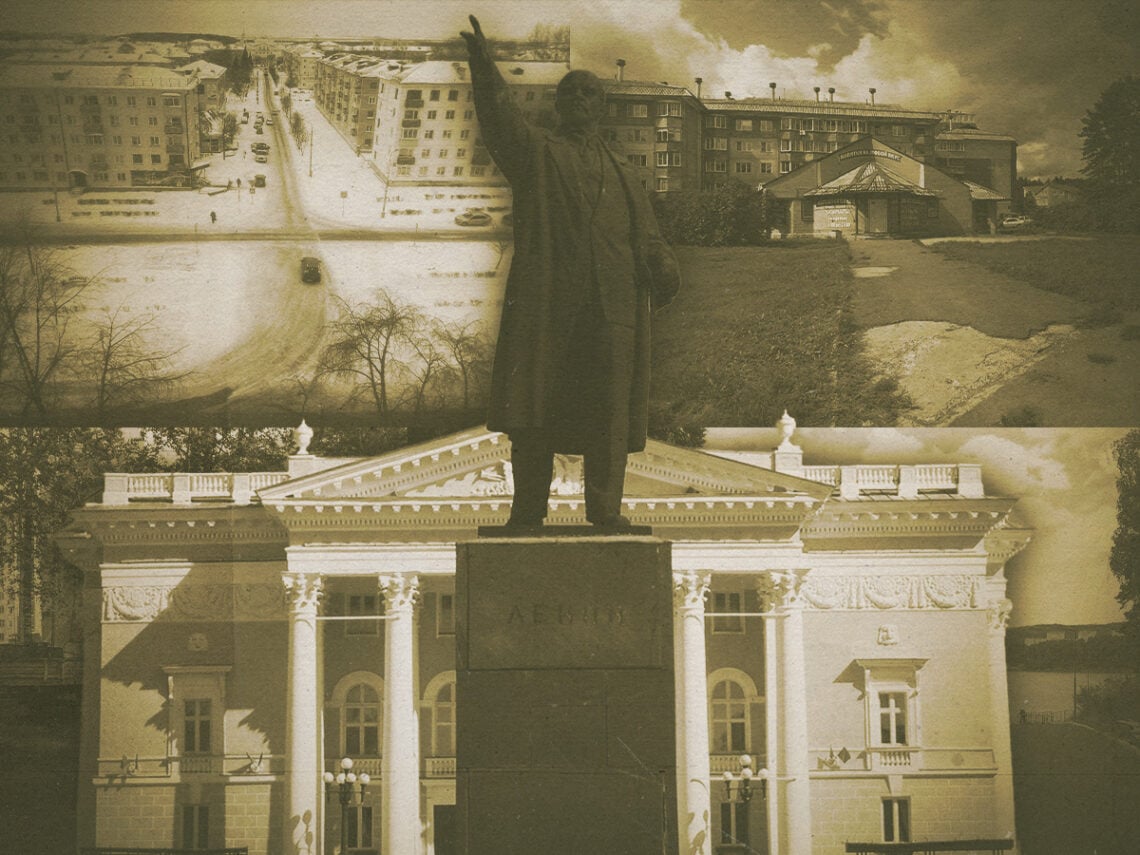
Inside Zheleznogorsk: Russia’s closed nuclear city that you can’t visit

Imagine a city so secretive that it doesn’t exist on a map, nor is it spoken about, and you can’t visit it; sounds odd, but these were commonplace in the Soviet Union and still remain in modern Russia.
Things are slightly different now, with these places appearing on maps, but they’re still areas you can’t visit unless you have an official invite; they’re mysterious, fascinating and in many ways, quite scary. There are many reasons why a government might want to keep access to a city closed, such as its strategic importance as either a military, research or aerospace hub.
Today, in Russia, there’s another reason why the closed city of Zheleznogorsk is kept hidden from prying eyes, which is its importance in the nuclear industry. This is the story of Russia’s ‘plutonium city’, one which YouTube is now giving us unique access to.
Deep in Siberia, in the Krasnoyarsk Krai region, Zheleznogorsk is one of the most intriguing remnants of the Soviet Union’s secret geography, a city that, for decades, didn’t exist. Until the fall of the Soviet Union, this city wasn’t on maps and was only known by the code name Krasnoyarsk-26. Then, in 1992, it was finally christened Zheleznogorsk. During the Soviet era, entry required special permission, even for citizens, and foreigners were completely banned. While life in Russia has changed hugely in the generations since the collapse of the Soviet Union, and we at least know about the city, it’s still not possible to visit unless you have an invitation from the Russian state.
Its history is still very much conjecture, but we know that it was founded at the start of the 1950s, a period in which Joseph Stalin was desperate to develop nuclear weapons. It was one of a number of secretive atomic cities, alongside Sarav and Ozersk, and its specific goal was to produce weapons-grade plutonium. With its remote Siberian location, it was perfectly hidden from foreign spies and the Americans in particular. Not only that, but Siberia’s vast nothingness also acted as a deterrent for invasion, meaning that Zheleznogorsk wouldn’t be on the route of any potential aggressors.
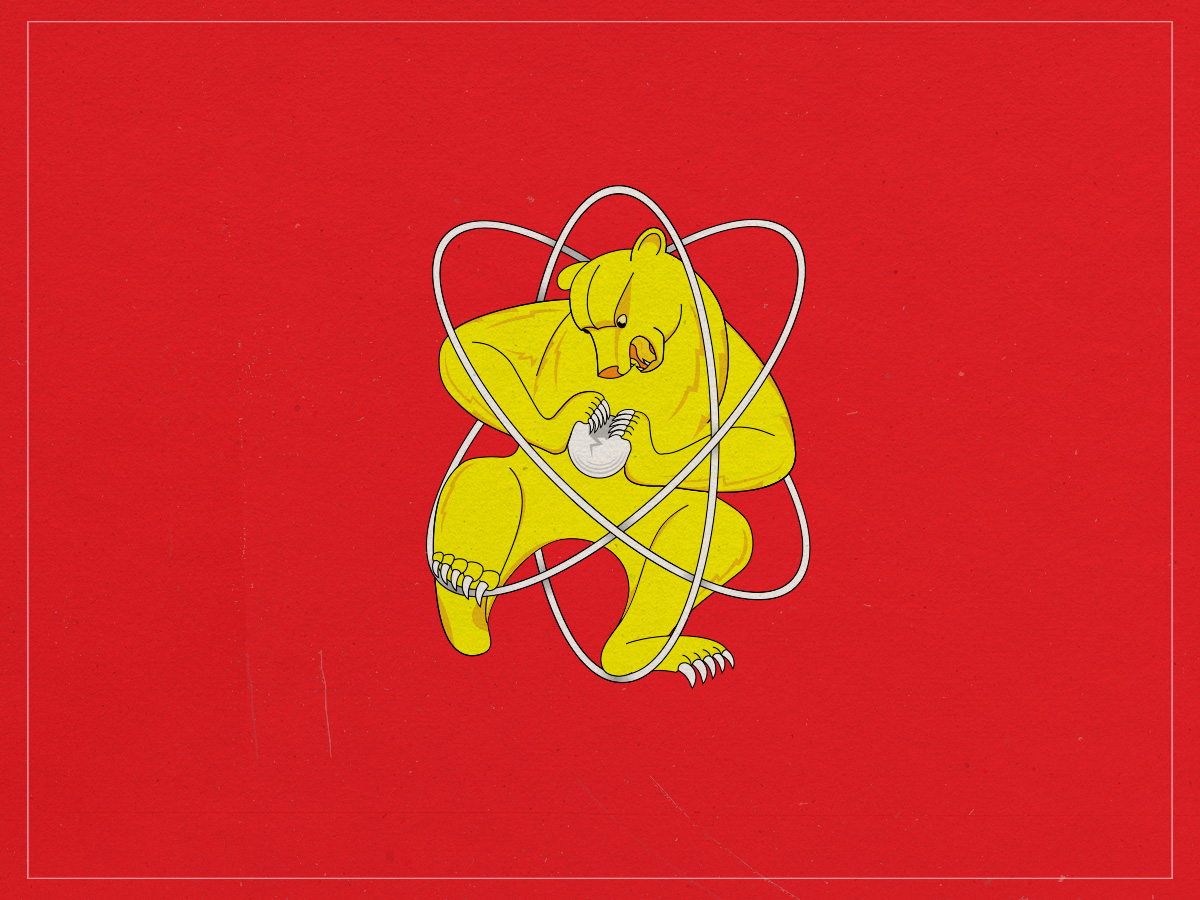
The cold climate made it a good place to build the facilities, and its proximity to the Yenisei River was also highly useful in order to cool the nuclear reactors. The geography had a number of bonuses, with the rough, rocky mountain terrain also ideal for concealing the facilities underground.
The extent of Zheleznogorsk’s underground caverns is unknown, with some estimates suggesting that they are akin to the London Underground and much like a vast subterranean city. As well as making it impossible to spy on, these underground facilities were also safe from nuclear attack under the layers of granite of the mountains above.

This isn’t just a bunker in the frozen tundra of Siberia, though, but a living, breathing town with around 90,000 people calling it home. Now, thanks to vloggers on YouTube, presumably residents, we can see inside the town, getting a rare treat that most Russians will never experience, let alone foreigners.
These videos of people walking around the town show traditional Soviet style apartment blocks, a cathedral and even children playing football. It also has a huge artificial lake, as well as wide, European-style roads. In many ways, it looks like your average, non-descript, small Russian town, and while its past is still very much shrouded, we at least know the city hosted missile and space technology development, as well as defence-related research, and was a key part of the Soviet military-industrial complex. These days, it’s believed that it’s largely used for nuclear waste processing, as well as producing satellites.
Much like other closed cities, it was built to be clean, sophisticated and offer a higher standard of living, which would make the trade-offs, such as restricted movement and secrecy, worthwhile for residents and workers. Closed cities were, and remain, a key part of Russia’s geography, built on the backs of forced labour, to further the Soviet cause, but now act as living, breathing artefacts, reminding us of the Cold War and the ideological battle to be the world’s superpower.
