


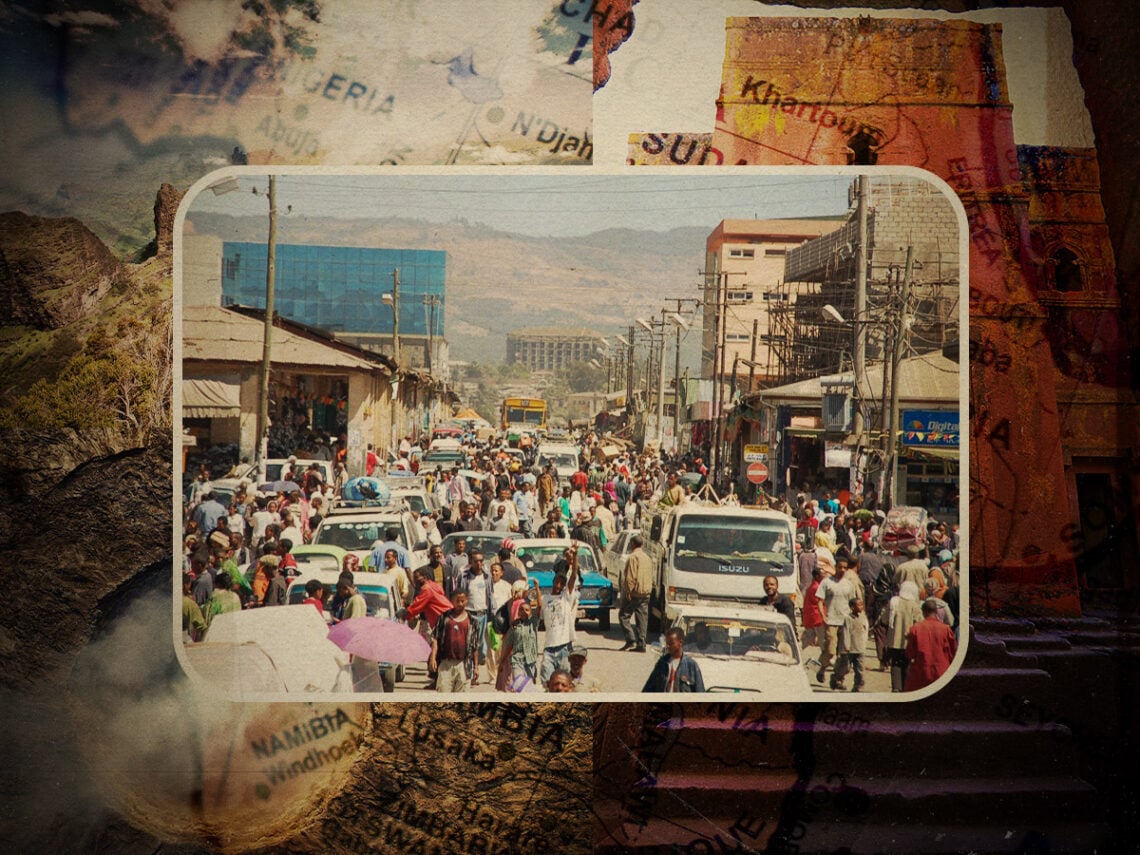
Why is Ethiopia experiencing a tourism boom?

When you’re imagining holidaying in Africa, you’re either thinking of South Africa and the beauty of Cape Town, the pyramids of Giza, or the chance to see wildlife up close and personal on a safari, but whisper it quietly, for Ethiopia is now becoming one of Africa’s hottest travel destinations as well as one of the fastest-growing tourist hotspots on the planet.
Excuse my ignorance, but I knew little of the country beyond its distance running pedigree, including two-time Olympic champ and long-distance superstar, the great Haile Gebrselassie, but visitor numbers to the East African country are increasing steadily, and this landlocked country on the Horn of Africa is becoming a must-visit destination.
Africa saw an 8% increase in traveller numbers in 2025, the largest of any continent, but Ethiopia was the crown jewel, seeing a 15% increase. There had been real investment in not only new hotels but also increasing levels of accessibility and helping to restore confidence for visitors. The country really does have something for everyone, whether you’re an elder traveller looking to relax or a younger, solo traveller looking for an active trip. It’s understandable that it’s becoming one of the continent’s most compelling places to visit, given its distinctive combination of history and nature, especially given that it’s still, for the time being, a relatively off-piste destination.
While the safari trade is prevalent across Africa, it’s not really something that Ethiopia specialises in, but instead, it lets its beautiful landscapes do the talking, where the Simien Mountains National Park, known as Africa’s rooftop, with rocky peaks and deep valleys, offers a truly unique scenery, and you can hike across the park, making it a viable alternative to other, more popular, trekking destinations on the continent. As well as those cliffs and stunning views, there’s also wildlife to see, with the endangered Ethiopian wolf and the gelada monkey amongst the highlights.
While the mountains are full of life and lush green grass, this contrasts with the Danakil Depression, which is one of the least hospitable regions on the planet, making it a must-see for nature-loving travellers, and even though the tours are basic, with the insanely hot temperature and extreme conditions, they offer unforgettable sights, like the vastness of Erta Ale’s lava lake and the mesmerisingly lifeless salt flats. Ethiopia is one of just a few African countries that was never fully colonised, and that’s led to a very defined identity, and one that feels a world away from some of its nearby neighbours who experienced more European impact.
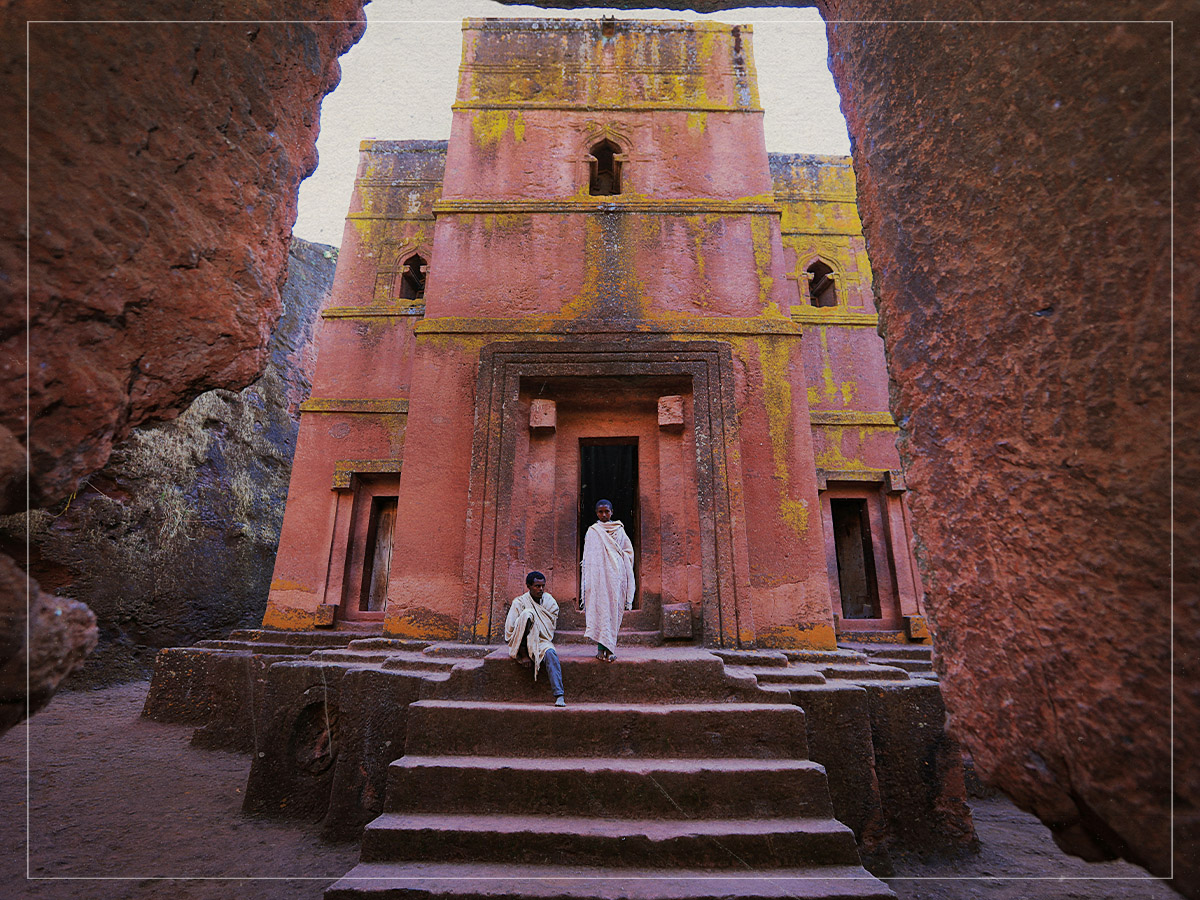
That’s very visible in the history on display in the country, which isn’t colonial-era buildings, with the greatest of all being probably Lalibela, which has 12th-century churches carved into solid rock, and the nickname of ‘New Jerusalem’. It’s still an active place of worship, giving an experience of both going back in time, while also being very alive and current, with Christianity in the country dating back to the fourth century. In fact, one of the oldest known hominid skeletons, known as Lucy, was discovered in the country, and it has earned its status as one of the cradles of civilisation, with the origins of our species very much to be traced to the region.
The big, sprawling mess of Addis Ababa, the capital city, buzzes with energy and excitement, which is authentic and really displays the vibrancy of the country and the contrasts that exist within it. Even outside of Africa, the country is having a moment with Ethiopian cuisine growing in popularity around the world, especially of injera, the sourdough flatbread, and the wide array of stews served with it, often vegetable-heavy, which are sensational.



Likewise, coffee culture is huge in Ethiopia, with the country being the birthplace of our favourite bean, and coffee ceremonies are big business, such that visiting and experiencing this coffee-nirvana bucket list stuff for real aficionados.
Right now, the country’s infrastructure isn’t as consistent or as developed as some of the other tourism heavy-hitters on the continent, but it’s growing slowly. While political instability has been an issue previously, it’s now safe and calm, and with these things continuing to develop, it’s only going to further the country’s claims as a tourist destination.
The hunger for authenticity and something real, and experience-led, is only growing within the travel sector, and Ethiopia can deliver those things, showing you genuine Africa, not a manufactured version, where the landscapes are varied, and some of the most jaw-dropping in an already beautiful region. Its culture and history are alluring too, offering not a sanitised, overly accessible tourist trap, which is exactly why it’s so exciting and what makes it a hidden gem, so enjoy it while you can.
