


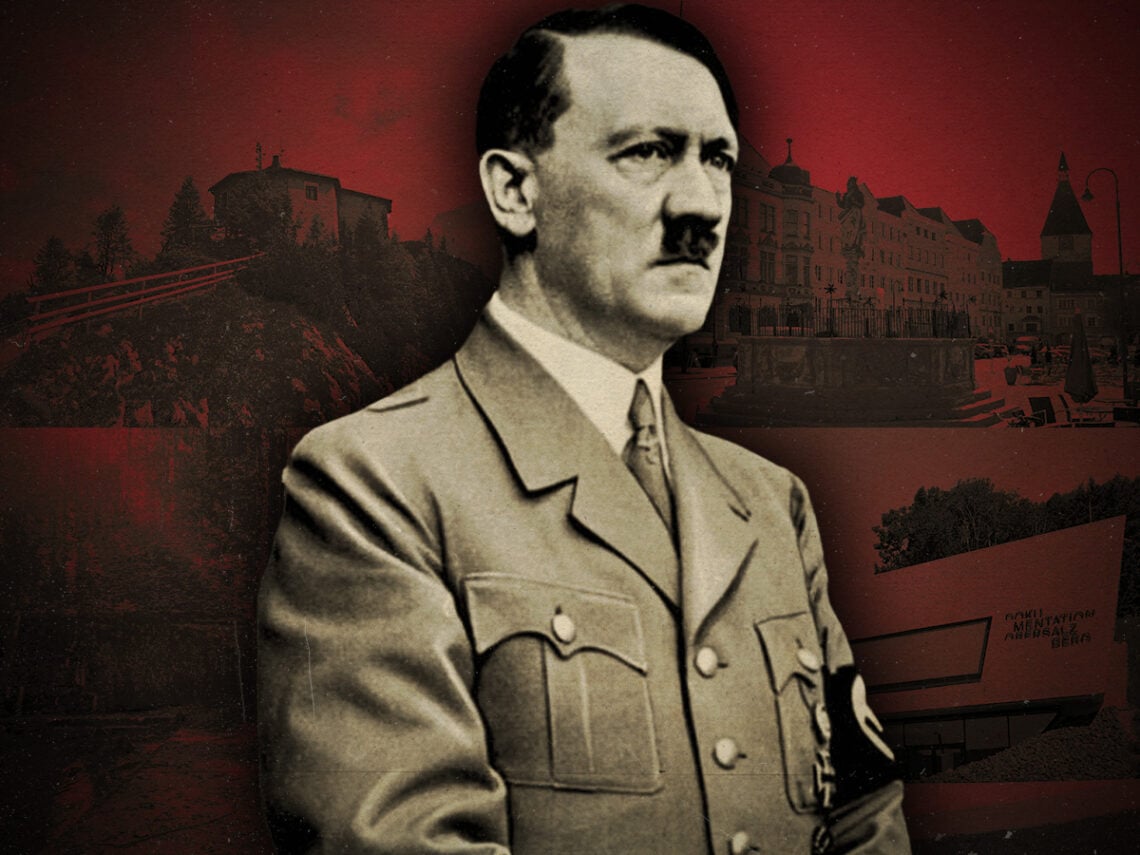
Nazi vacations: The weird world of Adolf Hitler tourism

Dark tourism has many facets, from the Killing Fields to Ground Zero, but there’s one period of modern history, World War II, that leads the way in terms of interest. There’s also an unhealthy interest in the architect of that war, Adolf Hitler.
There’s nothing new about human interest in the evil and macabre. It’s in our nature, and we’ve long held a fascination with the very worst that humanity can offer. However, there’s a worrying subculture within dark tourism that doesn’t just focus on the atrocities of the Second World War, but instead the physical remnants of one of history’s most reviled figures.
That leads us to a strange circuit of Hitler-linked sites within European that continue to attract visitors decades after the fall of Nazi Germany. More concerning still is that it appears to be a growing industry. In April 1945, with the Soviet forces approaching Berlin, rather than take accountability for his actions, he took the easy way out, dying a gutless death from a self-inflicted gunshot to the head while ingesting cyanide.
There’s not much to see of his deathplace, with nothing remaining of the Führerbunker, a tight, dingy, two-level, 3,000 square foot air raid shelter. The authorities razed it to the ground and built a car park over the top in order to ensure that it didn’t become a shrine to the dictator. Despite that, some people still visit the site and read its small information board, although the nearby Topography of Terror tells a more interesting story about the Nazis and their reign of terror.
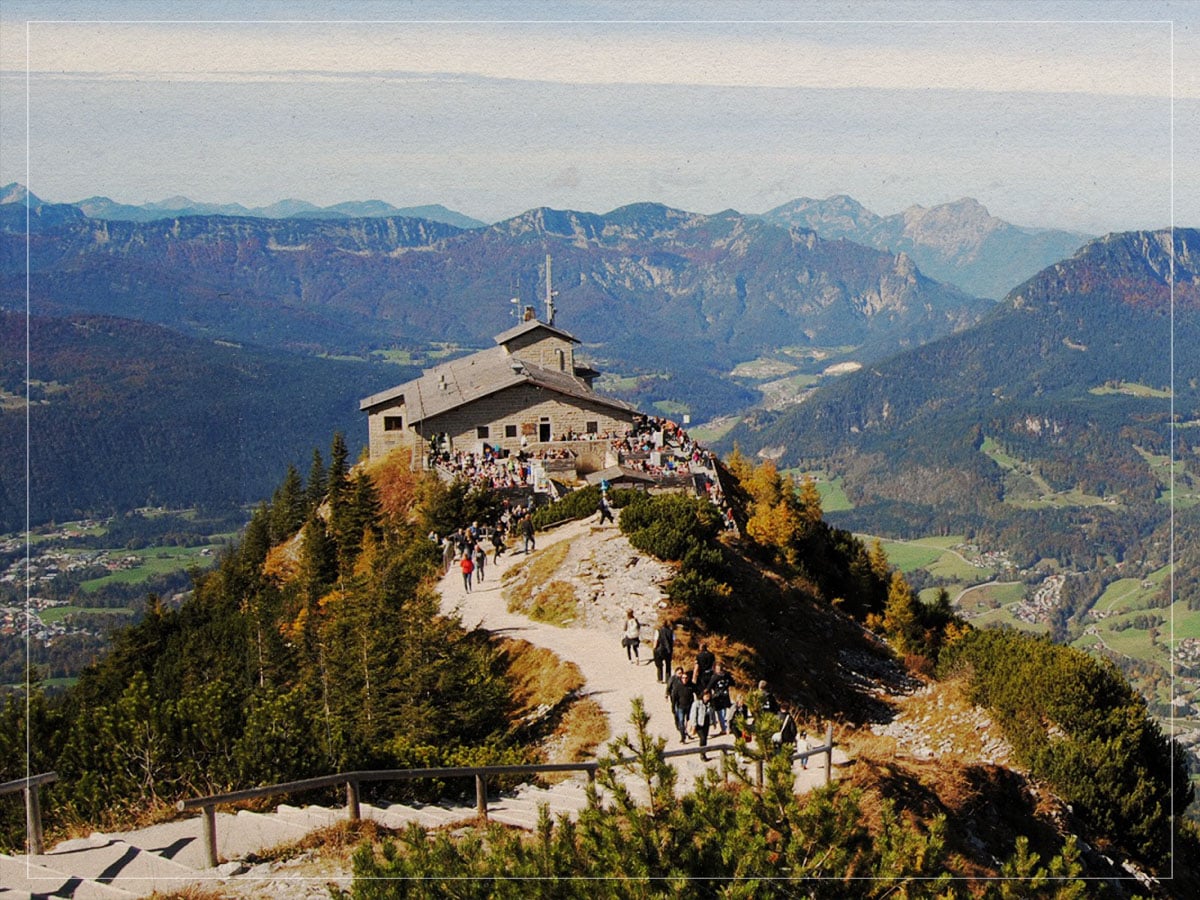
When it comes to Hitler-based tourism spots left in good condition, there’s Kehlsteinhaus, otherwise known as the Eagle’s Nest, and not much else. The Eagle’s Nest is the most famous of such sites and one which features prominently at the end of Band of Brothers, when Easy Company scale the mountainous peak in Bavaria and loots it.
Sitting atop the Kehlstein, it was completed in 1938, but the chalet was only visited by Hitler 14 times, due to his fear of heights, and was generally used for Nazi Party social events. Hitler was also afraid to use the lift that was built inside the mountain, terrified that a lightning strike could render it dangerous. A large red fireplace in the main reception room continues the theme of evil, having been a gift from Italian fascist dictator Benito Mussolini.
Now the Eagle’s Nest exists as a restaurant and popular tourist destination, as well as having a popular beer garden. Below this mountain outcrop is Obersalzberg, a large complex which includes the Berghof. Most of this has been knocked down with an educational resource, the Documentation Centre, being built there. The Berghof, otherwise known as the Wolf’s Lair, was Hitler’s holiday home and one of the places in which he spent most of his time.

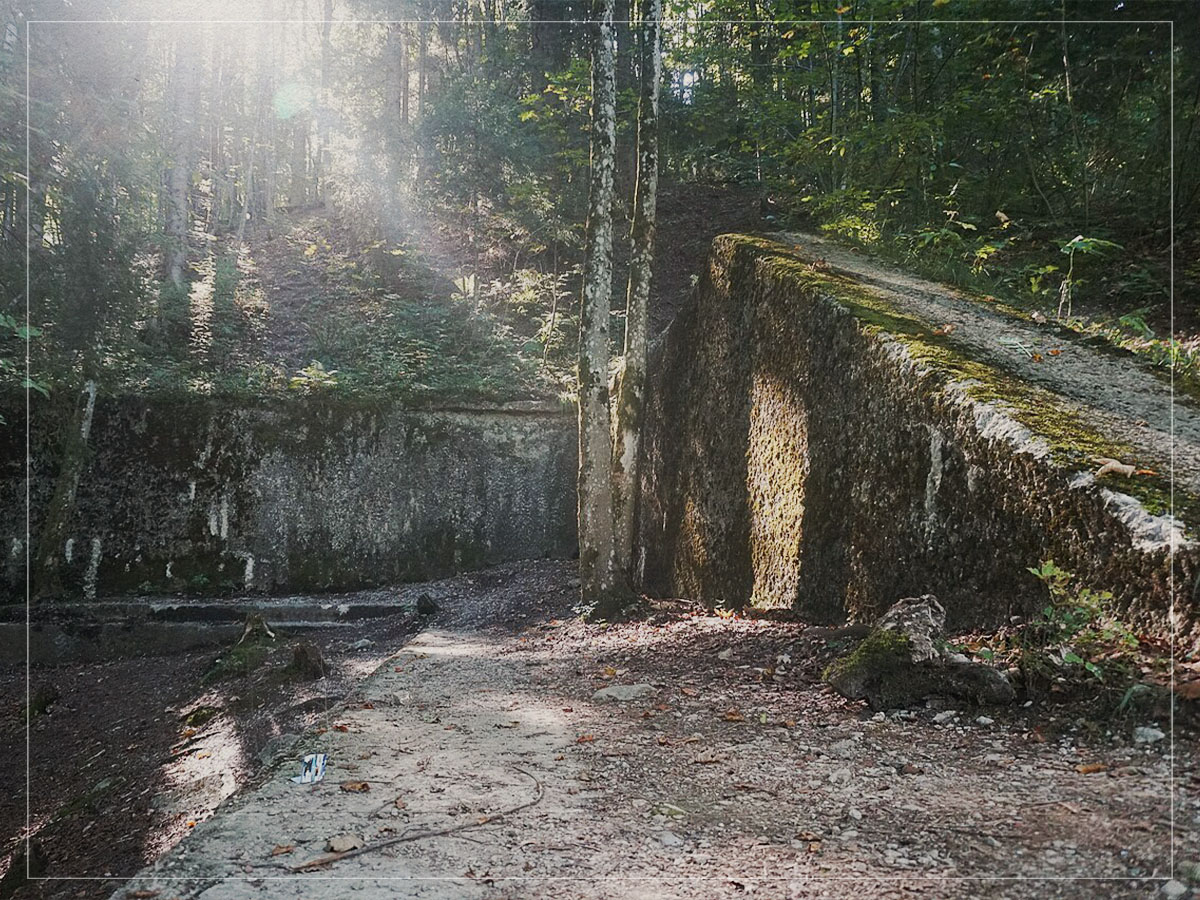
From 1935 to 1945, it was his favourite place to vacation, but it was damaged by British bombs in April 1945 before being demolished in 1952. It was heavily featured in Nazi propaganda with English-language media covering his holidays there, alongside his dog, to humanise him and launder his image. Now it’s mostly gone, besides a few sections of the wall.
Hitler is hated in his homeland of Austria, but that hasn’t stopped his birthplace in Braunau am Inn from becoming a homage point for Nazi apologists and dark tourists. Its post-Hitler existence has seen it as a library and care centre, and there are currently plans for it to become a police station, something that will help neutralise its symbolic value. Despite being long dead, Hitler is still appealing to a small subculture of dark tourists, with other sites, such as various Nazi-related locations in Munich, drawing a lot of visitors. Most of these locations don’t keep accurate tourist numbers, but amongst those that do, there are worrying signs of an increase in interest in the despicable leader.
The number of visitors to the Documentation Centre in Obersalzberg has risen to over 170,000 annually, a number that doesn’t include those who are only visiting the Eagle’s Nest, and with antisemitism on the rise in Europe and further afield, it’s vital that these places are kept as warnings from history, rather than used to deify him. The dilemma is how to preserve history while making sure not to glamorise it, because places like the Eagle’s Nest, with breathtaking Alpine views, are particularly ripe for the potential of being admired, but there’s also a wider moral question of profiteering and commercialisation of places linked to the darkest part of history, and whether that trivialises it.
Not everyone who visits these sites is some sort of rabid neo-nazi, with the vast majority simply interested in learning more about the conflict and the man behind it. The opportunity to visit places so centrally linked to events that we’ve grown up learning about in school is certainly intriguing.
Dark tourism isn’t going anywhere, but we need to differentiate between those who are interested in the history and those who are fascinated with the man himself, and echo his ideology, as while this tension between curiosity and caution is what defines Hitler tourism, we must stay on the right side of history. Germany is one of the very best tourist destinations on the planet, full of so much life and vibrancy, and there’s so much to explore without allowing yourself to get drawn into the orbit of the cowardly dictator.
