


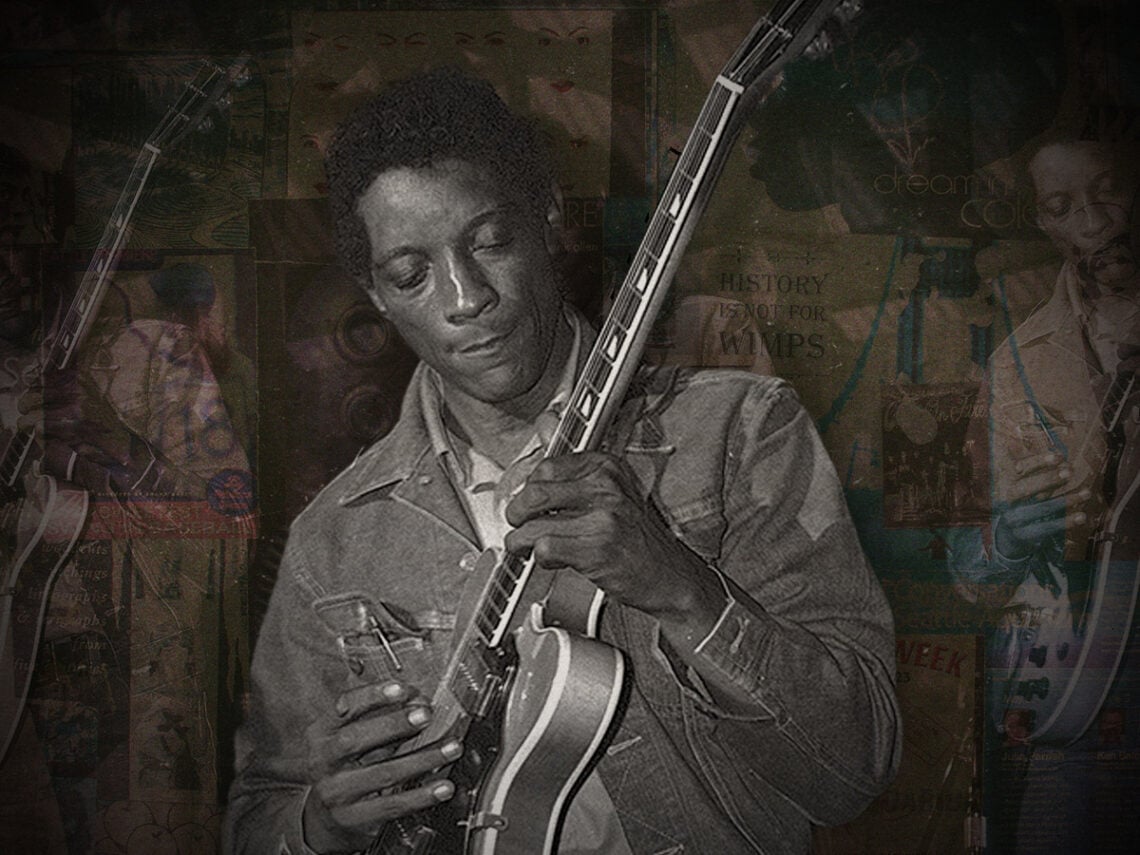
Hubert Sumlin: The blues innovator who shaped rock music in the shadows

“When everyone heard all the players I’ve been with, they think it’s a lie,” blues guitarist Hubert Sumlin said in 2000, “But I only shoot from the hip”.
One of the true greats of the Chicago electric blues revolution, Sumlin played alongside the likes of Howlin’ Wolf, Muddy Waters, and Buddy Guy, but he’s comparatively far less well known to the general public, despite arguably playing as big a role as anyone in crafting the style and tone of the sound that directly inspired most of the stadium-filling blues rock artists that emerged in the 1960s, from Eric Clapton and Jimi Hendrix to The Rolling Stones and Led Zeppelin.
When Sumlin died in 2011 at 80, Mick Jagger and Keith Richards personally paid for his funeral as an acknowledgement of the effect he’d had on their lives. “Hubert was an incisive yet delicate blues player,” Jagger said at the time, “He had a really distinctive and original tone and was a wonderful foil for Howlin’ Wolf’s growling vocal style. He was an inspiration to us all.”
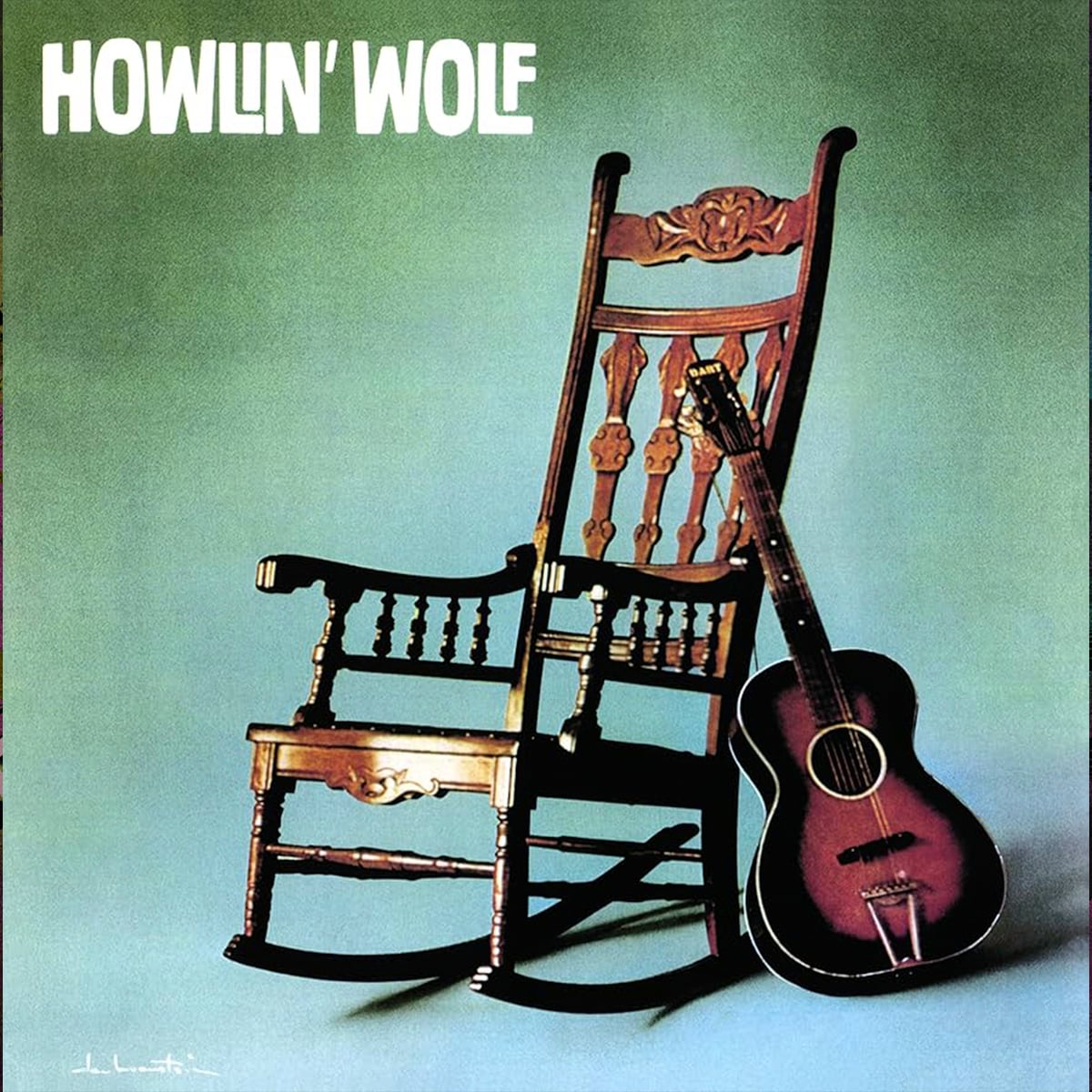
As Mick and Keith were first bonding over their love of American blues music in the early 1960s, one of the definitive records getting passed around the streets of London was a self-titled Howlin’ Wolf compilation that people started calling “the rocking chair album”, in reference to its cover art of an empty old rocker with an acoustic guitar leaning up against it. That cover was a bit of a bait-and-switch, suggesting a sort of acoustic, Robert Johnson-ish folk blues vibe, then bashing the listener’s ears with the boom and sting of Wolf’s distortion-heavy electric sound.
Released on the iconic Chicago blues label Chess, the rocking chair album cherry-picked 12 choice tracks from 1957 to 1961, most of them written by the great Willie Dixon and powered by the guitar work of Sumlin. Wolf became the icon, quite well deserved for that gravelly and passionate voice, but it was Sumlin’s sound that thousands of young admirers immediately sought to replicate.
“I love Hubert Sumlin,” Jimmy Page once told Rolling Stone, “He always played the right thing at the right time”.
Sumlin’s story is pretty much everything you would imagine from a genuine, self-made blues legend, complete with the working class, Depression-era upbringing in the Deep South (born in Mississippi, raised in Arkansas), a savant-like early education in music at eight years old (“I picked that guitar up and learned it pretty fast”), and a life-changing twist of fate, when the great blues harmonica player James Cotton came to town and needed a fill-in guitarist. Somebody told him that little Hubert Sumlin, still a kid, could play, and the bluesboy was soon on his way to becoming a bluesman.

“Cotton and I had a three-piece,” Sumlin told the Press of Atlantic City, speaking of his pre-Chicago gigging days in the late 1940s and early ‘50s, “We played in hunka junk places and put the bucket down in hopes of getting some pennies and nickels.”
Howlin’ Wolf, who’d grown up in Mississippi as Chester Burnett, had made his way to Chicago by 1951 and had a new contract to record with Chess Records. He was about 20 years older than Sumlin, and when the two crossed paths during this period, Hubert sought him out as a mentor and as a potential way out of Nowheresville.
“Me and Cotton asked for 15 minutes of Wolf’s time,” Sumlin recalled, “And he gave it to us”.
Wolf essentially invited Sumlin and Cotton to audition for him on the spot, and, at least according to Sumlin’s assessment of their performance, “we kicked his ass”. Wolf was impressed enough that he brought Sumlin with him back to Chicago, taking the young guitar player under his wing over the next few years. By 1954, Hubert had improved enough to officially join Wolf’s band, but the latter never stopped pushing him to expand his repertoire, even paying for him to take lessons at the Chicago Conservatory of Music to fine-tune and diversify his knowledge.
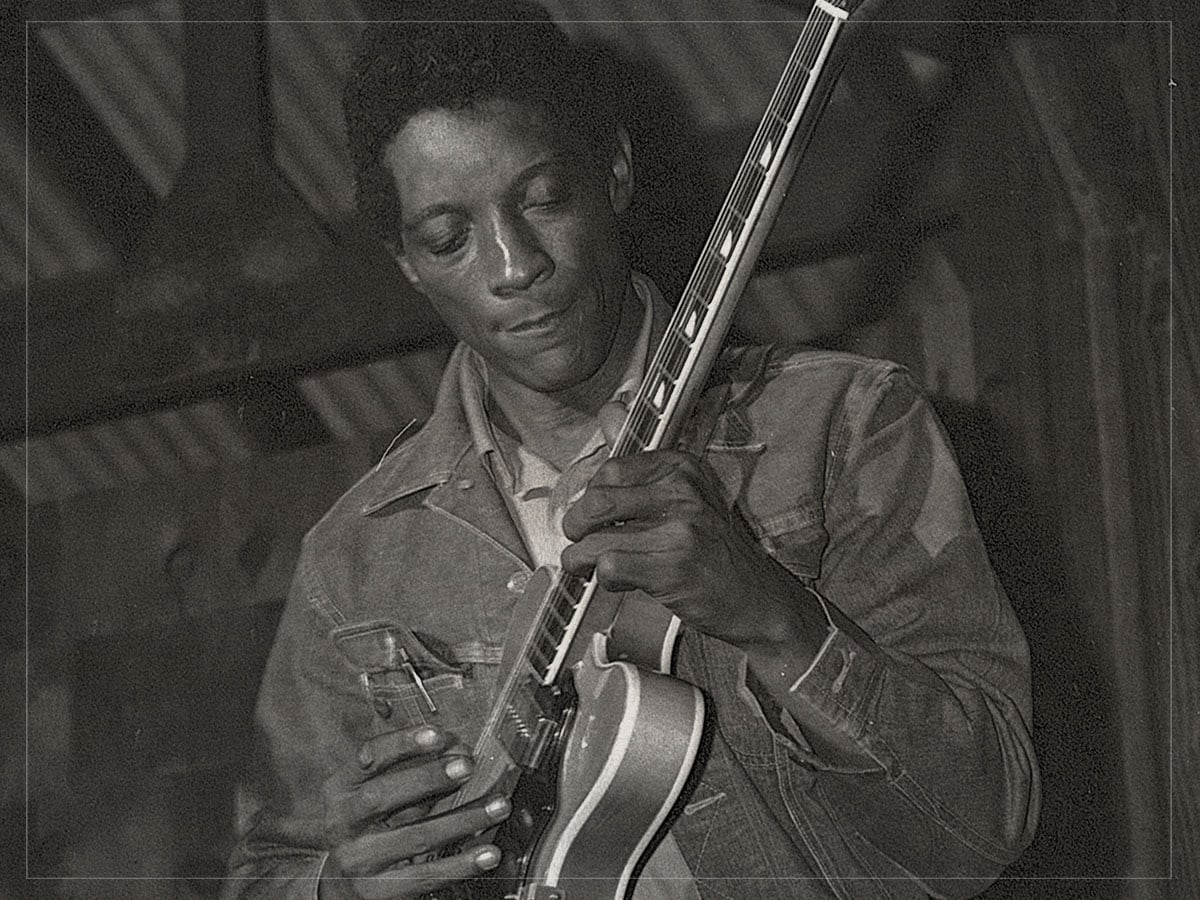
It was Sumlin’s more raw, natural instincts that made him such a good match for Howlin’ Wolf’s vocal style, though. The liner notes of one Chess Records compilation compared Sumlin’s leads to “a whip: an imaginative, angular, taut attack” with a “maniacally wide vibrato and percussive chords”.
“I found out I was closer to Wolf than a lot of musicians are to each other,” Sumlin said, “I was by him like [Otis] Spann was to Muddy Waters. I said, ‘Hey, this is the man’s voice, this is me’. The music and the voice. We got to be so close, like father and son, the way Eddie Taylor was with Jimmy Reed. Hubert was Wolf, Wolf was Hubert. I got to where I knew what he wanted before he asked for it, because I could feel the man.”
Listening to a track like ‘Wang Dang Doodle’ today, it’s practically impossible to separate Sumlin’s stabbing and weeping guitar sound from the countless rock ‘n’ roll standards that later borrowed from his methods. In its own time, removed from that context, this was a startling sound; a clear template for Clapton and Richards and Santana and dozens of other future Hall of Famers to follow.
In some cases, the influence wasn’t subtle. Many of the classic Howlin’ Wolf / Sumlin tracks from their prime era were later covered by some of the biggest bands of ‘60s rock. The Stones tackled ‘Little Red Rooster’, The Doors played ‘Back Door Man’, Cream played ‘Spoonful’, and ‘Killing Floor’ was often on set lists for Hendrix, Zeppelin, and Mike Bloomfield’s Electric Flag.
In 1970, when Howlin’ Wolf was invited to the UK to collaborate with some of these young bucks for a record called The London Howlin’ Wolf Sessions, it turned into an all-star event, with Eric Clapton, Steve Winwood, Ringo Starr, and half of The Rolling Stones taking part. Hubert Sumlin wasn’t initially booked for the sessions, as Leonard Chess didn’t want to pay his airfare, but Clapton supposedly stepped in and demanded that Sumlin be a part of it. He also bumped Keith Richards off the bill, not wanting any competitors to butt in on his chance to play with one of his heroes.
“It really happened,” Sumlin told the News and Observer in 2009, “Eric said to Keith, ‘Hey, please let me do the job. I want to meet Hubert’. Keith said that was alright, and I made a new friend!”
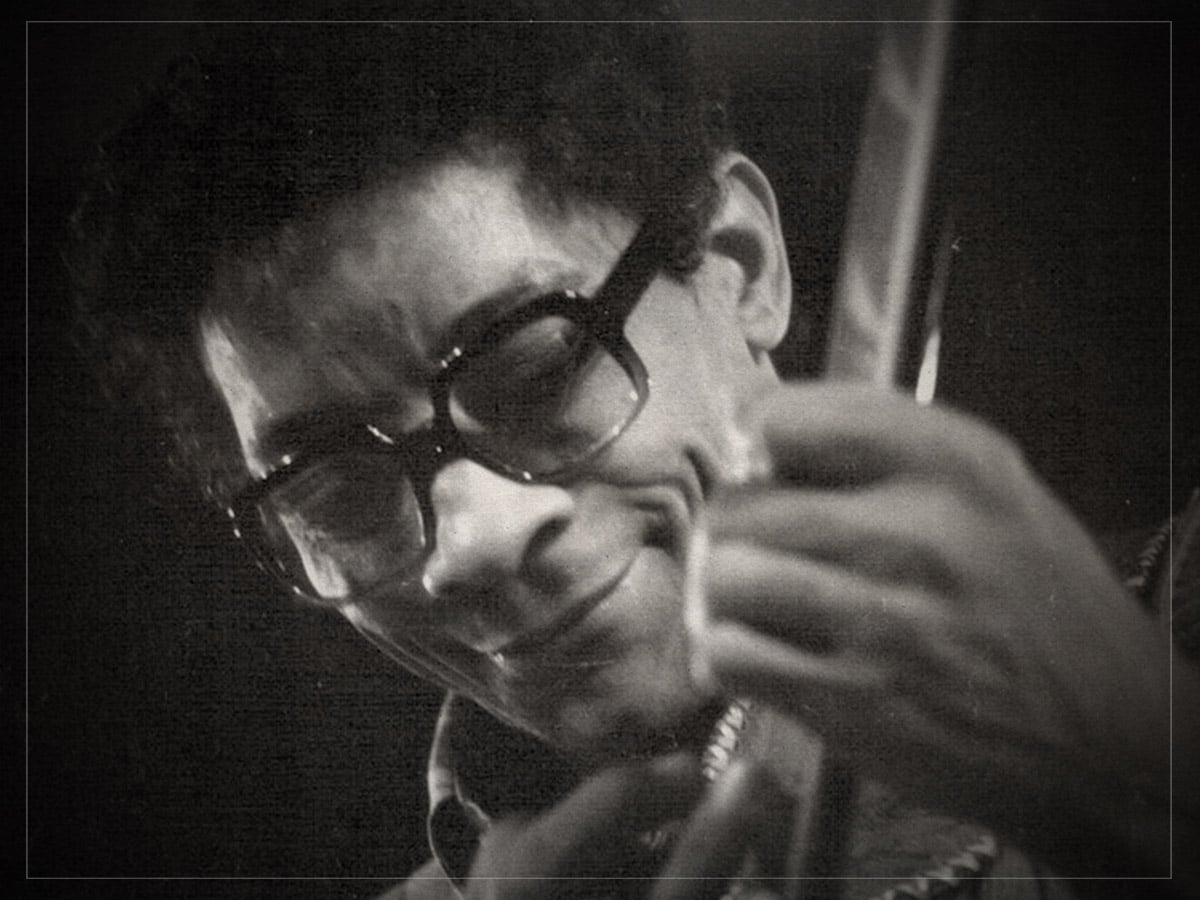
Sumlin continued to play with Howlin’ Wolf into the 1970s, enjoying some of that newfound mainstream fame that the blues rock explosion had brought to the founders of the genre. His relationship with Wolf wasn’t always easy, as the demanding and curmudgeonly singer had a tendency to take his bandmates down a peg or two when he wasn’t in the right mood, with the two even coming to blows on at least one occasion. Nonetheless, when Wolf died in 1976 at the age of 65, Sumlin was devastated and had to step away from playing for a while. As a sign of what he had meant to his mentor, Wolf’s funeral programme identified the guitarist as his son.
Following Wolf’s passing, Sumlin eventually left Chicago for Texas and wound up having a major influence on the next generation of guitarists coming out of that scene, as well, led by the brothers Jimmie and Stevie Ray Vaughan. Clifford Antone, who owned Antone’s blues club in Austin, Texas, recalled that, “Many nights, at the end of the evening, it would be just Stevie and Hubert sitting on chairs at the edge of the stage with their electric guitars, and they would be playing something that wasn’t even really a song. No band. They’d just be sitting and playing together.”
Stevie Ray Vaughan would later call Sumlin “the heaviest and most original guitar player I’ve ever heard in my life”.
Sumlin was still actively playing and recording into his 70s, most notably releasing the 2005 album About Them Shoes, which included guest appearances by Clapton, Richards, Levon Helm, David Johansen, and James Cotton. After his death, many of those same artists helped organise a 2012 tribute concert for Sumlin at New York’s Apollo Theatre, with Clapton, Richards, Elvis Costello, Derek Trucks, Jimmie Vaughan, Gary Clark Jr, and Buddy Guy among the performers.
While Hubert Sumlin never became a household name in the same way as the legends he played with or inspired, he did live long enough to understand and appreciate just how big an impact he’d made. “It don’t matter if you’re the richest or most famous when you earn the respect of people you respect in this industry,” he said, “When I look at it that way, I couldn’t be more fortunate.”
