Did ‘Top Gear’ inspire a generation of Britons to travel?

At one period in time growing up in the UK, it felt like there were three types of boy you could be: You either loved music, sport or cars.
I covered two of those bases, spending my teenage years looking for bootlegs on Hype Machine and watching those Man Utd vs Arsenal matches, which felt so vital, but cars, no, you can leave that. Despite that, there was one TV show, Top Gear, that everyone seemed to watch, whether you were a petrol head or far from it.
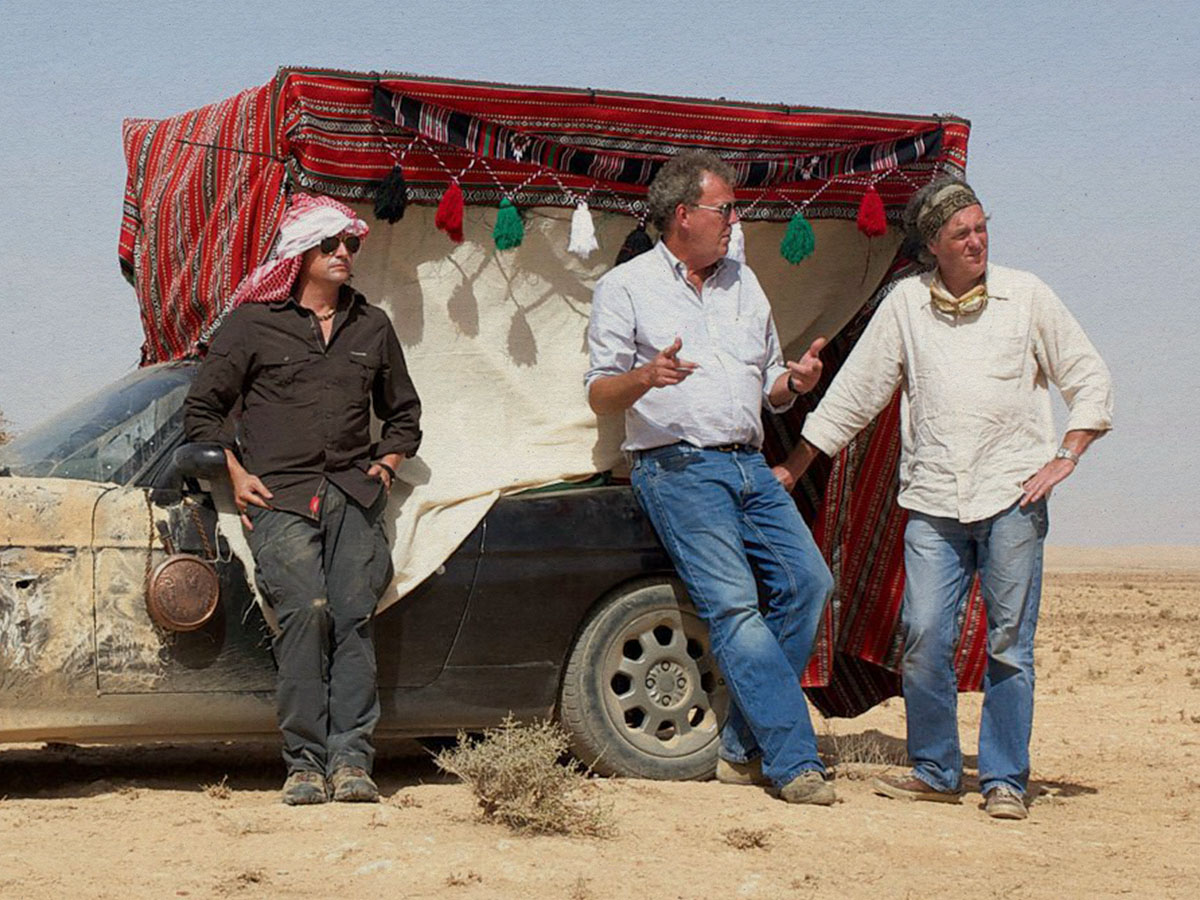
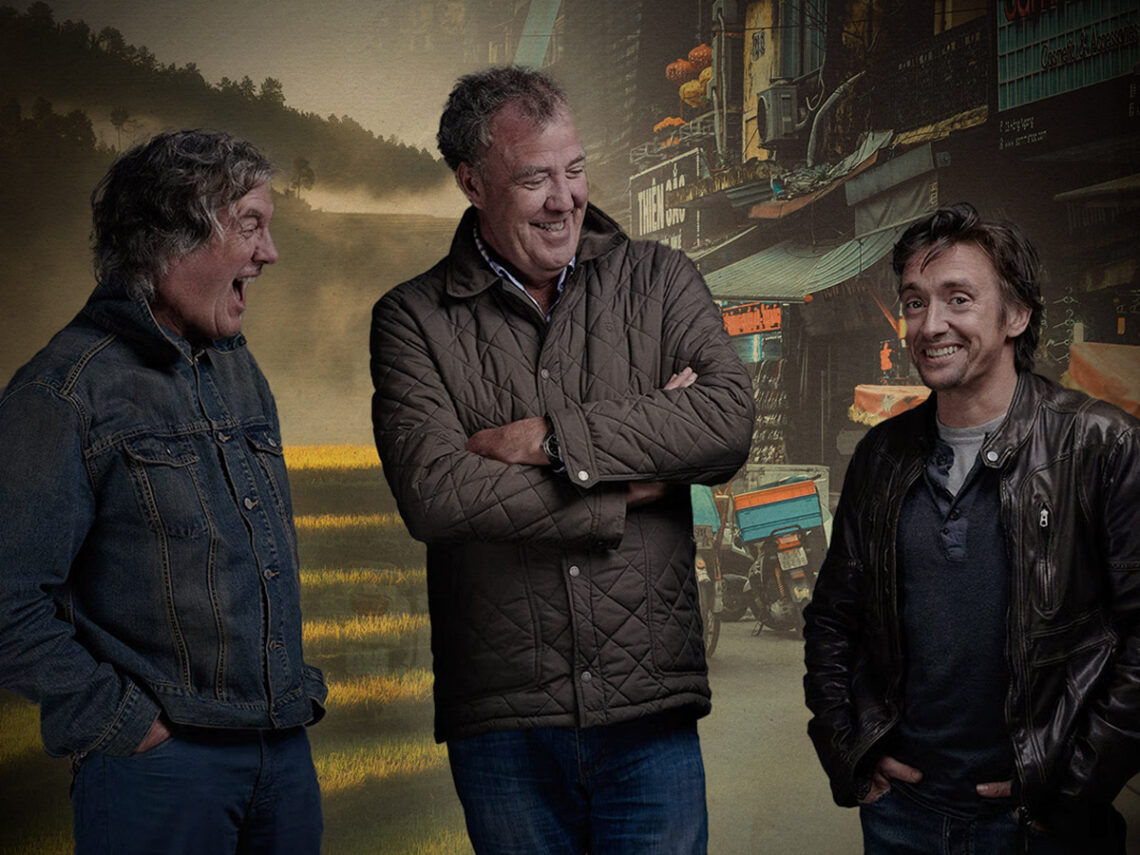
For a lot of my friends, it was appointment viewing, but the reverence for cars I’ll never drive, ‘Star in a Reasonably Priced Car’ and Jeremy Clarkson’s endless boorish shouting, wasn’t really for me. That was, except for the specials. Once every series, the BBC would abandon the show’s usual format and take Clarkson, James May and Richard Hammond somewhere exotic, dumping them in a foreign country, with a vague premise of a challenge. What followed wasn’t just some of the best television of the era, but was some of the finest travel content of all time, something that inspired a whole generation to seek adventure.
Vehicles were always part of the specials, but more than being about engines or the scripted chaos, the spotlight was on the journey, in particular, the bonds of friendship that travel can forge. In many ways, Clarkson and friends were the British version of Anthony Bourdain: far less stylish, less poetic, and a lot more problematically sneering, but they documented travel through a lens of friendship and people all the same.
2008’s Vietnam Special is arguably the most iconic of the lot, and one that stayed with me and encouraged me to visit the country, where, in keeping with the country’s traffic, they gave up their cars for scooters and travelled the length of it. The idea of travelling across Vietnam by bike feels very normalised now, with the Ha Giang Loop being a major tourist destination, but at the time, it felt new and different, especially seeing the alluring juxtaposition of the chaos and noise of Ho Chi Minh City and the serenity of the countryside.
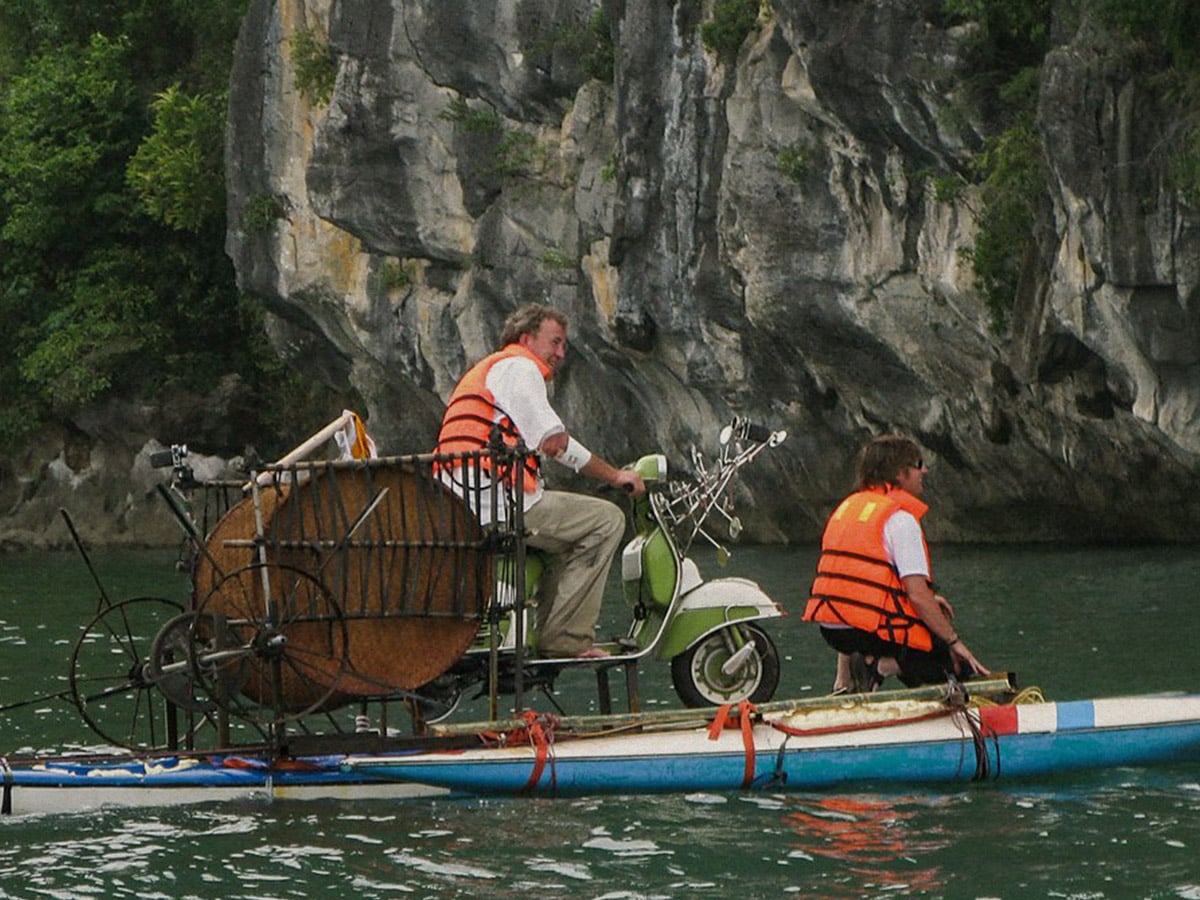
Of course, there were some crass moments, but at the end of the show, you could feel the love and admiration that they had for the country, and it felt like a cultural moment, of which an even bigger one happened a year earlier with The ‘Botswana Special’.
It was what really broke through to the wider public consciousness, and while the show was already huge then, that episode felt like a turning point, as before then, Botswana was rarely seen aside from nature documentaries. But then, the Top Gear team showed us more of the country and its culture. The journey across the remote and desolate Makgadikgadi salt pans had emotional depth with Oliver, the battered Lancia Beta, somehow becoming the start of the show. On a cinematic level, the shots of the landscapes were stunning and unlike anything that had really been seen on British TV at the time, as a big budget and new technology combined to offer audiences something new.
With every passing year, the cinematics got more and more grand and 2009’s Bolivia special was a masterclass in must-watch television. The sheer scale of the landscapes, from jungle to high-altitude deserts, was gorgeous and elevated the show far beyond its basic premise as a pitstop for carheads glued to the TV.
In an era of red tape and health and safety issues, this felt legitimately dangerous too, with narrow mountain tracks and huge, almost certainly fatal, drops if they were to make a mistake. Even episodes with contrived ideas, such as the ‘Polar Special’, managed to mix both a ridiculous premise, with absurdist humour, while also showing us that visiting these remote and wild places wasn’t out of reach.
Watching the episodes back now is an interesting experience; some of the tropes are, at best, questionable and toe-curling, and at worst, offensive, but there’s still a charm to it, and it offers something that modern travel content on television does not. While there were times which felt like the countries were punchlines for jokes, the shows would always wrap up with glowing eulogies for them. It turned fairly unusual destinations like Patagonia or Mongolia into places that people actively wanted to visit.
As Top Gear grew and grew, before the trio moved to ‘The Grand Tour’, the specials got more and more absurd, and often more scripted, but there were still moments of real joy, as the crux of the show’s success was two key aspects: the breathtaking cinematography and the study of friendship through the prism of travel. These were three middle-aged, overweight, ordinary people visiting quite extraordinary places and having thrilling adventures, which made adventurous travel feel very possible and no longer the preserve of the likes of Bear Grylls.
A whole generation of Britons were inspired to spread their wings and explore the world by the adventures of the Top Gear trio. It might have looked like a show about cars, but this was a show about friendships and travel, and one which managed to not only make the world look vast, but also make it look accessible.