


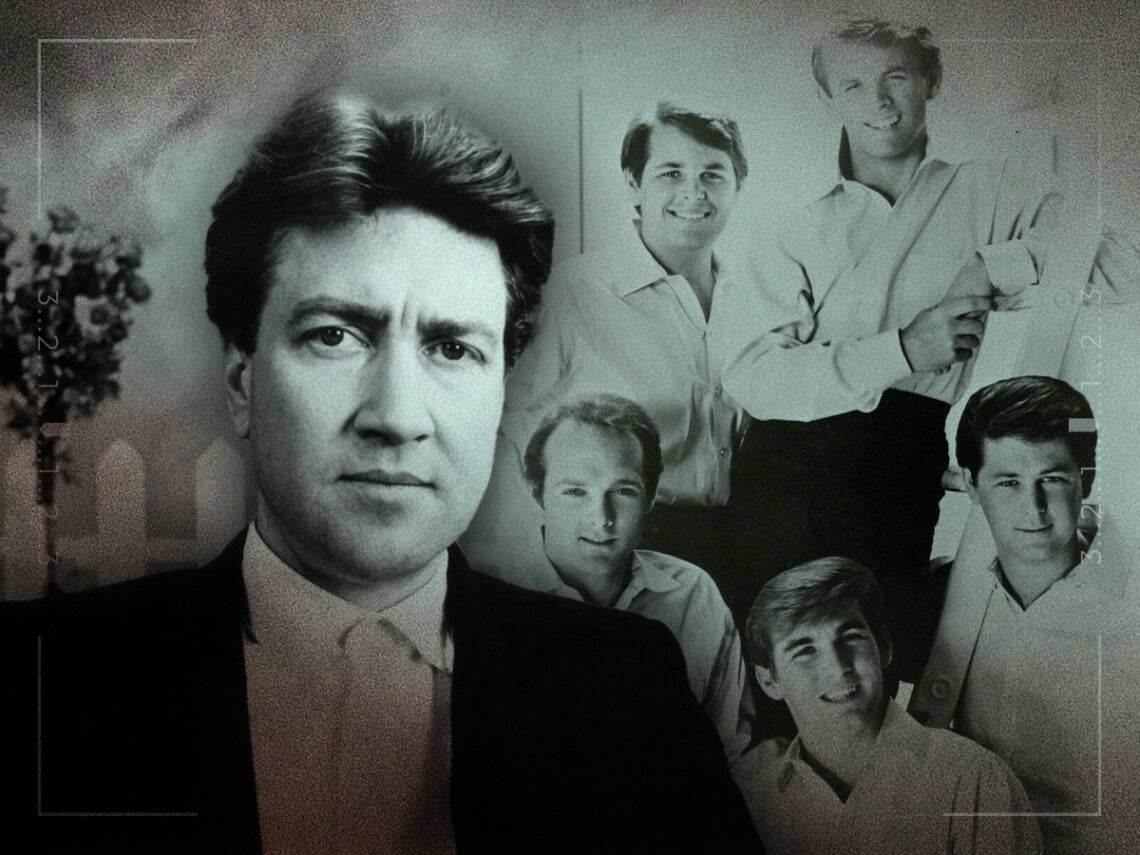
How The Beach Boys helped David Lynch accept that he was a Hollywood outsider: “I could ruin things for them”

Anyone with even a passing interest in cinema knows that David Lynch was the master of surreal storytelling, a filmmaker who pushed his uniquely bizarre and often nonsensical style closer to Hollywood than almost anyone before him.
Lynch was never going to become the next Steven Spielberg or James Cameron, and Dune, his early attempt at a Hollywood blockbuster, proved as much. His ideas were too strange and his storytelling too avant-garde. While he later found ways to blend those experimental instincts with a degree of accessibility in films like The Elephant Man and Blue Velvet, they were never likely to reach the commercial heights of something like Top Gun or Indiana Jones.
Lynch always marched to the beat of his own drum, albeit one that he hit with irregular smacks, discordant and unpredictable, where you truly never knew what he would come out with next, but you could be sure that it was going to be strange.
So, while he found acclaim with much of his early work (let’s pretend Dune never happened), Lynch still struggled to gain major opportunities from studios, because he wasn’t the kind to guarantee millions of ticket sales; not everyone wants to watch Dennis Hopper huffing gas and pretending to be a baby.
“I’ve learned that the major studios don’t want to make movies with me, and I don’t know why that is,” Lynch said in a 1987 interview with Kristine McKenna. “I think they respect me, but when it comes down to it, they don’t want to take a chance because I could ruin things for them. Hollywood is a fragile place, and heads roll easily here”.
One of his favourite themes to explore was the breakdown of the ‘American Dream’, something that Hollywood stands as the ultimate encapsulation of, so it’s no surprise that the higher-ups in the industry were nervous about where Lynch would take his films, which does make sense.
Many of his most iconic works would come to explore corruption in Hollywood in particular, specifically his unforgettable masterwork Mulholland Drive and his surreal nightmare Inland Empire. Yet, the director took the advice of The Beach Boys when coming to terms with his outsider status in Hollywood, specifically referring to their 1963 track ‘Be True to Your School’.



“As to how all this has affected me, you just learn what your lot in life is, and I think my lot in life is to be true to your school, like The Beach Boys said,” Lynch said. “And, really, my lot in life is pretty great. I have faith that I can make the pictures I wanna make and have them near the main centre but still be different in ways that are important to me”.
Lynch did collaborate with Disney once on Straight Story, something that surprised many, but that’s probably as close as he ever got to the proper centre of Hollywood. Instead, he preferred to use the medium to uncover the darker side of the industry, which he particularly excelled at.
