


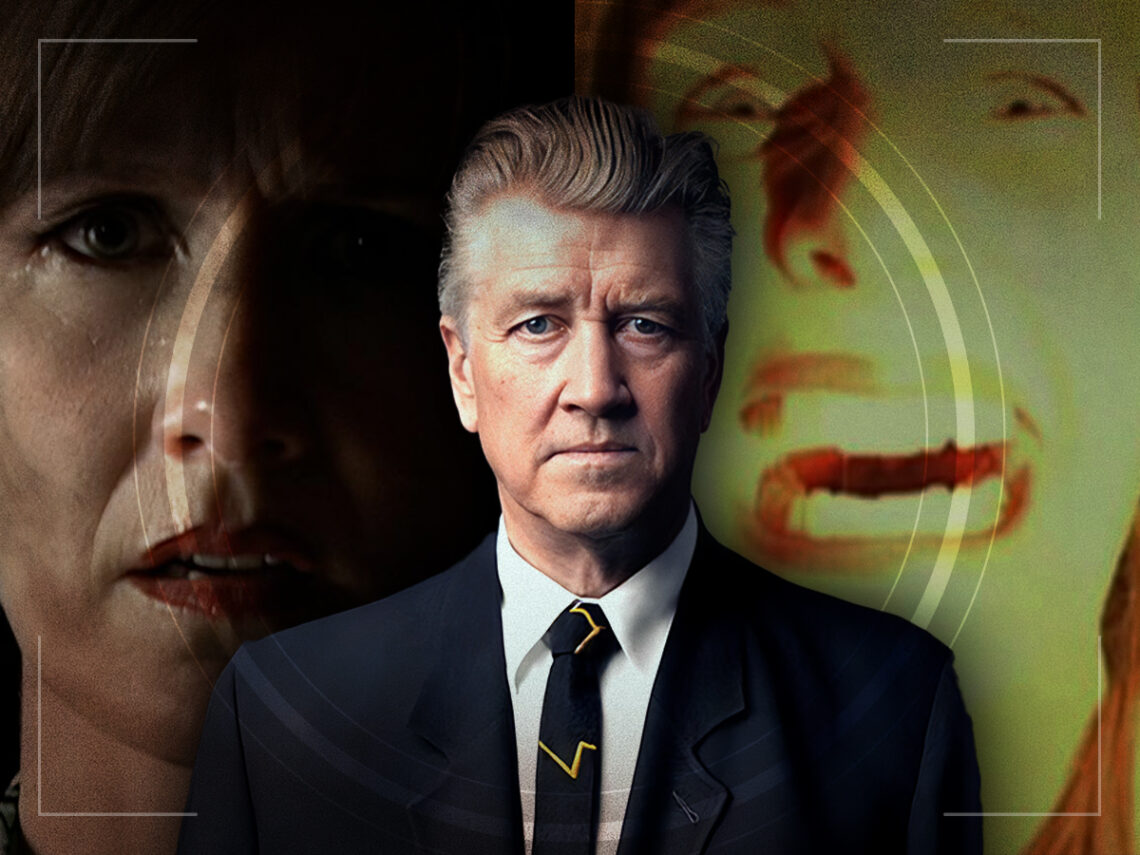
Is ‘Inland Empire’ the most ‘Lynchian’ project David Lynch ever made?

What makes something ‘Lynchian’? The American auteur David Lynch was known for his distinctive style, which included a unique approach to exploring the darkness lurking underneath everyday life and humanity and capturing it with a surreal lens. A preoccupation with women in trouble, doppelgängers, the emptiness and destruction of the ‘American Dream’, references to The Wizard of Oz, red curtains, and reversed speech are just some of the hallmarks of Lynch’s work, but it’s arguably Inland Empire that feels the most ‘Lynchian’.
It might be a bold statement or a “hot take”, considering that his first feature, Eraserhead, is a bizarre odyssey into fatherhood and industrial malaise, complete with an alien-like baby that makes life a living hell for Jack Nance’s troubled protagonist Henry. With women emerging from radiators, Henry’s head falling off and being replaced by the aliens, and the strange chicken dinner, there is plenty to leave audiences confused—another aspect of the ‘Lynchian’ school, this film marked its introduction to the world.
With Twin Peaks, Lynch and co-writer Mark Frost made a series that blended outright horror and mystery with a parody of the American soap opera, and it has become one of his definitive pieces of work, with endless ‘Lynchian’ hallmarks. The prequel film that came in 1992, Fire Walk with Me, was pretty divisive, however, with Lynch’s take on the surreal arguably stepping into new territories. With harrowing scenes that communicated the true horrors lurking in seemingly idyllic homes, as demonstrated by Laura Palmer’s tragic murder, the film is far from easy watching. Yet, it’s still rather easy to follow (apart from some very strange scenes, including the ones featuring David Bowie).
If there’s one movie we can rule out of the race, it’s The Straight Story, a Disney-distributed tale of hope and family. Following the release of the heartwarming movie, Lynch baffled viewers with Mulholland Drive, which remains one of his most complex films—a noir-inspired story featuring dual performances from Naomi Watts and Laura Harring in a dream world and a grim reality. The film is certainly a contender for being one of the most ‘Lynchian’ films in his oeuvre (many people were, and still are, baffled by the Billy Ray Cyrus scene and, of course, the homeless person jumpscare at Winkie’s still send shivers), but it doesn’t exactly reach the truly demented heights of Inland Empire.
For many fans, it’s an achievement to say you’ve watched Inland Empire and understood it. But maybe it can never be understood; even Lynch refused to reveal what the ending actually means, as he did for all of his ventures. The film sees Laura Dern give a character-defining role as, you guessed it, two different characters, Nikki Grace and Susan Blue, and in many ways it feels like a spiritual sequel to Mulholland Drive.
The film felt like a true passion project, with the filmmaker taking most of the major production jobs into his own hands, including editing and filming. He shot the film on a digital camcorder, which gives it a very DIY feel, with Lynch taking his camera onto the streets of Hollywood and allowing Dern to release all inhibitions and act completely unhinged. She screams into the camera, and, in some instances, there are jump scares in which her face is edited to contort and terrify the audience, creating a constant sense of tension and fear.
The film features excerpts from Lynch’s short film Rabbits, too, a bizarre interpretation of a sitcom with human-rabbit hybrids sitting on a sofa engaging in conversations. It’s a terrifying set-up and one that makes little sense on the surface, so naturally it’s added into the bizarre tale of Hollywood corruption and madness that makes up Inland Empire, which makes the latter even more unnerving.
Moreover, we see women doing the Loco-Motion in a living room as lights flash and Dern’s character watches in despair, and it’s a truly nightmarish experience that Lynch encourages us to experience and feel before necessarily trying to understand it. Inland Empire is disjointed and raw, aided by the fact that the director didn’t have a fully formed screenplay when he started filming. He just continued to film with new ideas every day, and eventually it came together to create one haunting tale of the disintegration of sanity into madness, and the fine line between dreams and reality.
Hollywood becomes the setting, like Mulholland Drive, with the city of stardom embodying the ‘American Dream’ in all its false promises and dark crevices. Watching Inland Empire is like stumbling upon a film that you’re not sure you should be watching, as though Lynch has recorded his nightmares and stitched them together into a surrealist web, where meaning becomes secondary and the visceral reaction one has is of primary importance.
While the mind-bending Twin Peaks: The Return in 2017 was a brilliant piece that would tragically be the last major release from the legend, few projects of his come close to the true ‘Lynchian’ horrors of Inland Empire, his most enigmatic and divisive film.
