


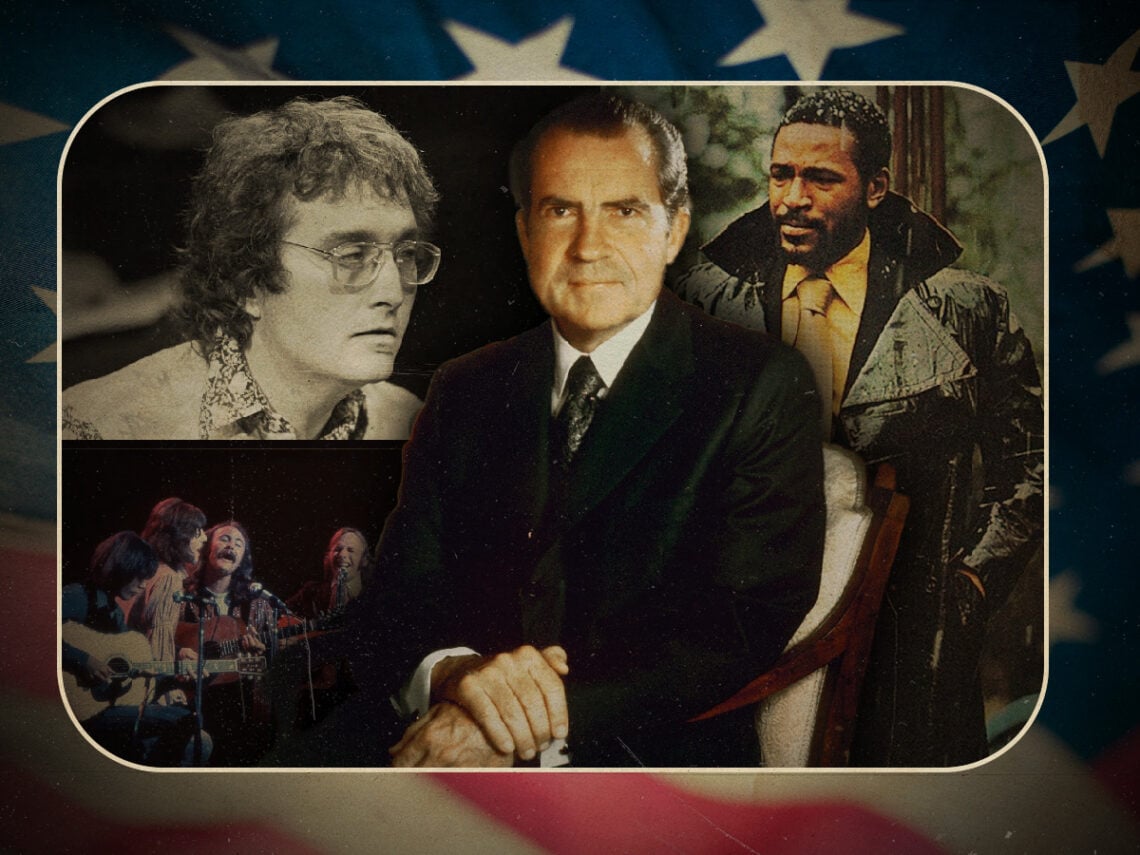
Five defining protest anthems that helped topple President Richard Nixon

Towards the end of last year, Sabrina Carpenter took to Twitter (or, X, as only Elon Musk and his army of insufferable incels refer to it) to rightly condemn the Official White House’s account after they’d used a snippet of her song ‘Juno’ in a clip showcasing what ICE Agents doing what they do best: dehumanising, detaining and destroying the lives of any number of America’s immigrant population.
“This video is evil and disgusting,” she wrote in protest, “Do not ever involve me or my music to benefit your inhumane agenda”.
Carpenter’s tweet received almost two million likes, and before long, the White House had removed their video due to the backlash they’d received. Carpenter’s statement proved that our artists have the power to hold the more powerful to account, to make positive changes, no matter how small, and to encourage more people to speak up and speak out against the fascist regimes that we are finding ourselves increasingly threatened by. Artists might more readily take to Twitter these days to shout their rallying battle cries, but they used to do it more often and more enduringly through their music.
In the 1960s and ‘70s, protest songs had the power to change the face of society and to rebalance the rule of law. ‘Masters of War’ and ‘Fortunate Son’ spoke against the corporate and colonialist war machine, while ‘Mississippi Goddam’ and ‘Say It Loud – I’m Black and I’m Proud’ spoke to civil rights and equality. There was ‘We Shall Overcome’ and ‘Eve of Destruction’, ‘A Change Is Gonna Come’ and ‘Everyday People’, as well as ‘Only a Pawn in Their Game’ and ‘Keep on Pushing’.
These days, similar songs are much fewer and further between. ‘American Idiot’, ‘A Few Words in Defence of Our Country’, ‘This is America’ and ‘Pretrial (Let Her Go Home)’ are all great songs, but they don’t have nearly enough company to round out our repertoire of anti-war and anti-fascist anthems with which we can rail against the evils of our world.
In fact, we might even have more to protest about than ever. In America, masked and un-uniformed ICE agents roam the streets, wielding military grade firepower and going door-to-door to intimidate, locate and remove anyone who was unlucky enough to have been born without white skin. Recently, they shot and killed an innocent (white) mother at point-blank range, and none will suffer consequences or backlash as a result.
We are currently watching on, seemingly powerlessly, as the West continues to turn a blind eye as Israel breaches the ceasefire agreement almost daily and continues to pummel and destroy Gaza and commit genocide against the people of Palestine. Elsewhere, we are watching on as the wealthiest few in our world commit the biggest transfer of wealth from the poorer masses to the powerful few and then use that money to destroy the only planet that we are capable of living on. Where are all the protest songs now?
These days, the Watergate Scandal, which toppled Nixon, would barely register as news, such are the horrors that Trump’s regime unleashes almost every day, let alone have any chance of taking down the president. Public pressure was a big factor back then, pushed on by the power of music. Perhaps if our most important artists can find their voice and start to speak out with more regularity and more power again, then we can follow the lead and example set by these five songs, which helped to topple Nixon and go one further by toppling Trump.
Five Protest songs that helped topple Richard Nixon:
‘What’s Going On’ – Marvin Gaye (1971)
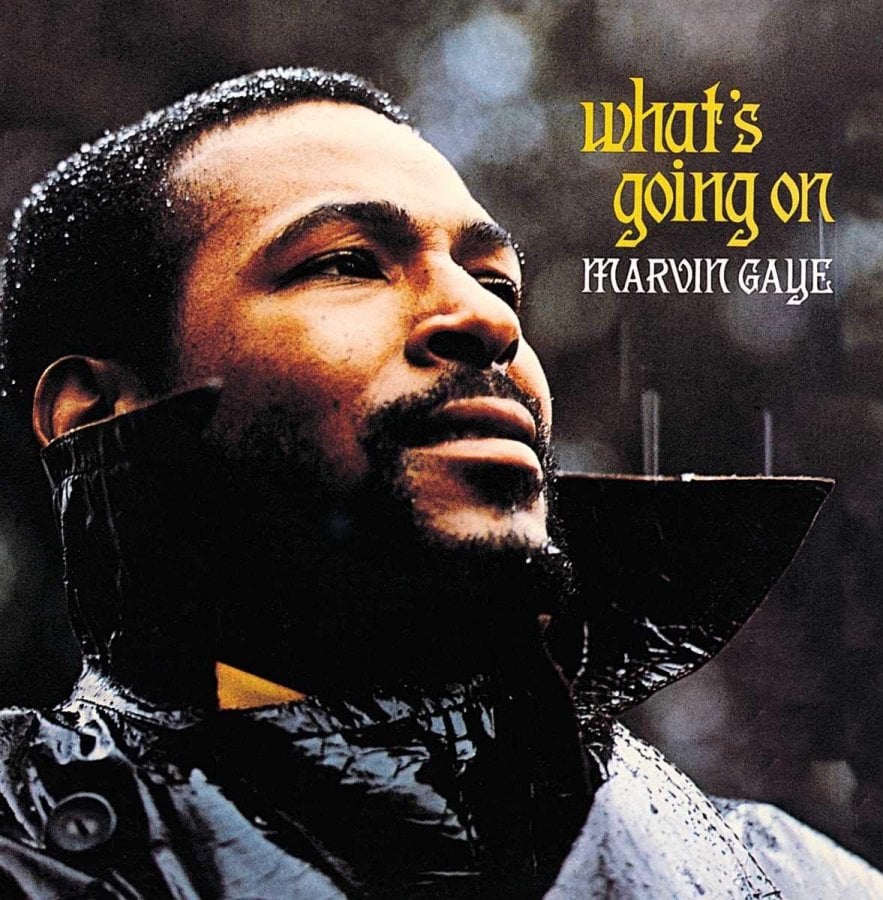
In 1965, Marvin Gaye witnessed the racist and abusive practices of the LAPD, which directly sparked the Watts Riots and asked himself the question, “With the world exploding around me, how am I supposed to keep singing love songs?”
It took six years for him to be able to make that transition, though, facing plenty of pushback from his Motown label, and especially producer Berry Gordy, who told him, “Marvin, don’t be ridiculous” in trying to keep his star singer on the topic of love to bring in both commercial and financial success with his love songs.
But Gaye later explained to Rolling Stone that by 1971, he felt he had a duty to use his platform and his voice, saying that, “I was very much affected by letters my brother was sending me from Vietnam, as well as the social situation here at home. I realised that I had to put my own fantasies behind me if I wanted to write songs that would reach the souls of people. I wanted them to take a look at what was happening in the world.”
In fact, he told his brother that “I didn’t know how to fight before, but now I think I do. I just have to do it my way. I’m not a painter. I’m not a poet. But I can do it with music”. Here’s hoping that more musicians begin to feel that same call to arms today, before long.
‘Mr. President (Have Pity on the Working Man’ – Randy Newman (1974)
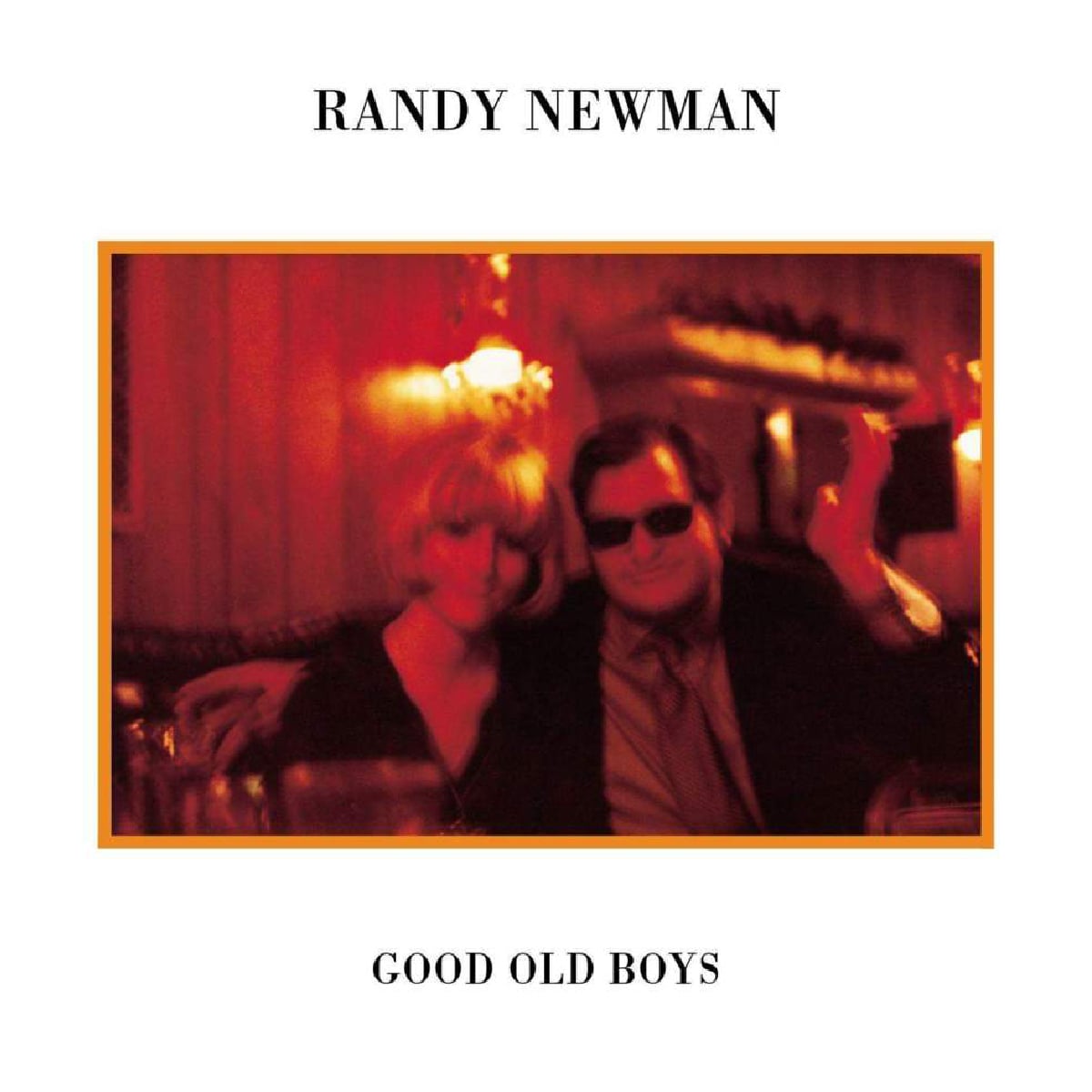
Randy Newman‘s 1974 magnum opus Good Ol’ Boys should be held up and heralded as one of the greatest ever American records. Despite the recurring themes of poverty and substance abuse, the dire state of the education system, sexual assault, mass inequality and class war, as well as government inaction against all of the above and all against a backdrop of natural disaster, this is a completely timeless album. In fact, perhaps it is so timeless precisely because of all those themes.
He could have been in character in the song, singing ‘Mr President (Have Pity on the Working Man’ to J Edgar Hoover, or he could have been singing the plea in real time to Richard Nixon in reference to the widening divide between those who had and those who did not. He could still be singing it today to President Trump.
“Maybe you’re cheatin’/ Maybe you’re lyin’/ Maybe you have lost your mind/ Maybe you only think about yourself”. Yeah, maybe.
‘Impeach the President’ – The Honey Drippers (1973)
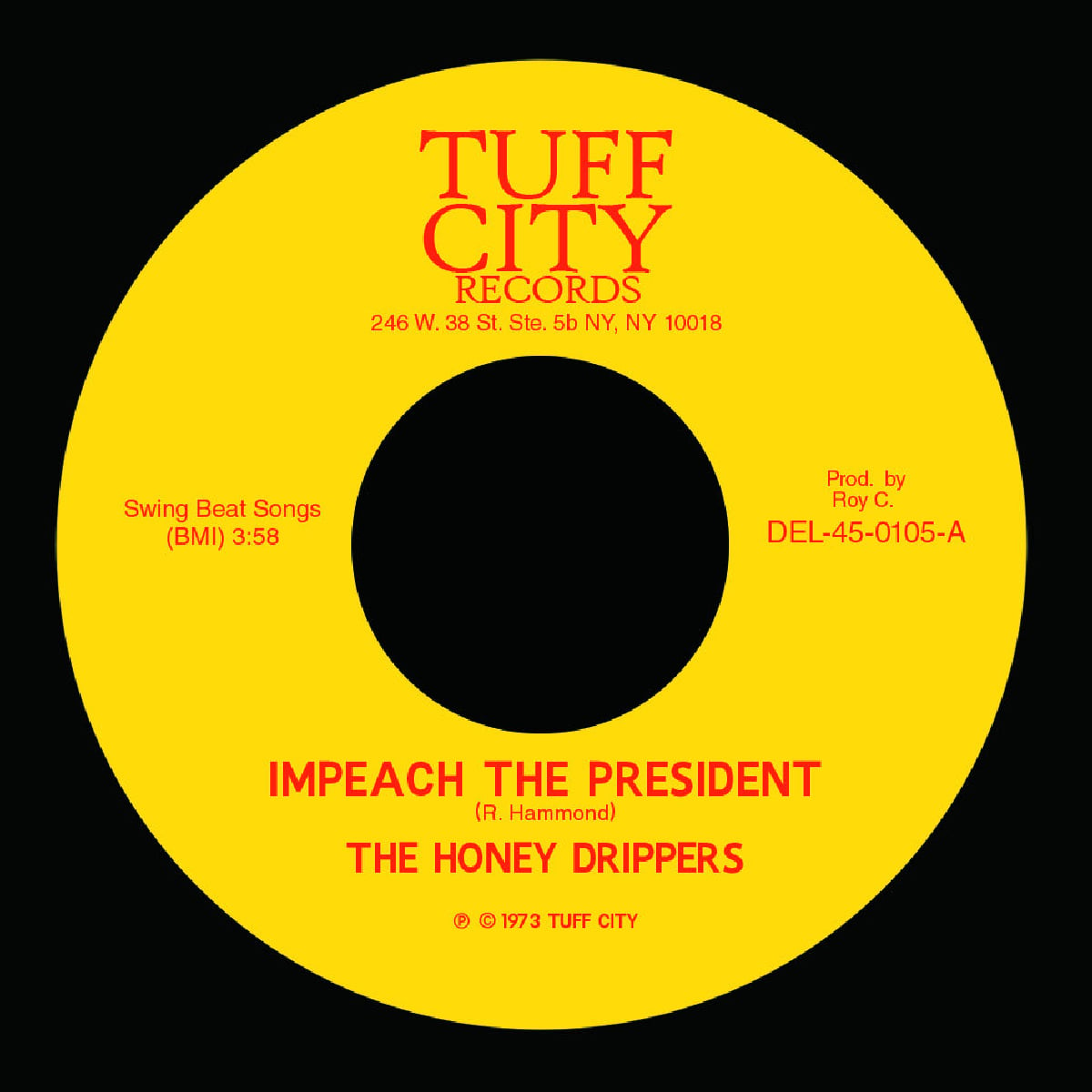
“Some people say that he’s guilty (that he’s guilty)/ Some people say I don’t know (I don’t know)/ Some people say, give him a chance (give him a chance)/ Oh, some people say, wait ’til he’s convicted (’til he’s convicted)/ Impeach the President!”
Hey, protest songs don’t need to be dour affairs, and this feel-good funk cuts through all the equivocating noise of a confused population and complicit press with the unequivocal and joyous chorus call to “Impeach the President!”, a song which works equally as well and sounds equally as good in 2026 as it did in 1973.
‘Watergate Blues’ – Tom T Hall (1973)
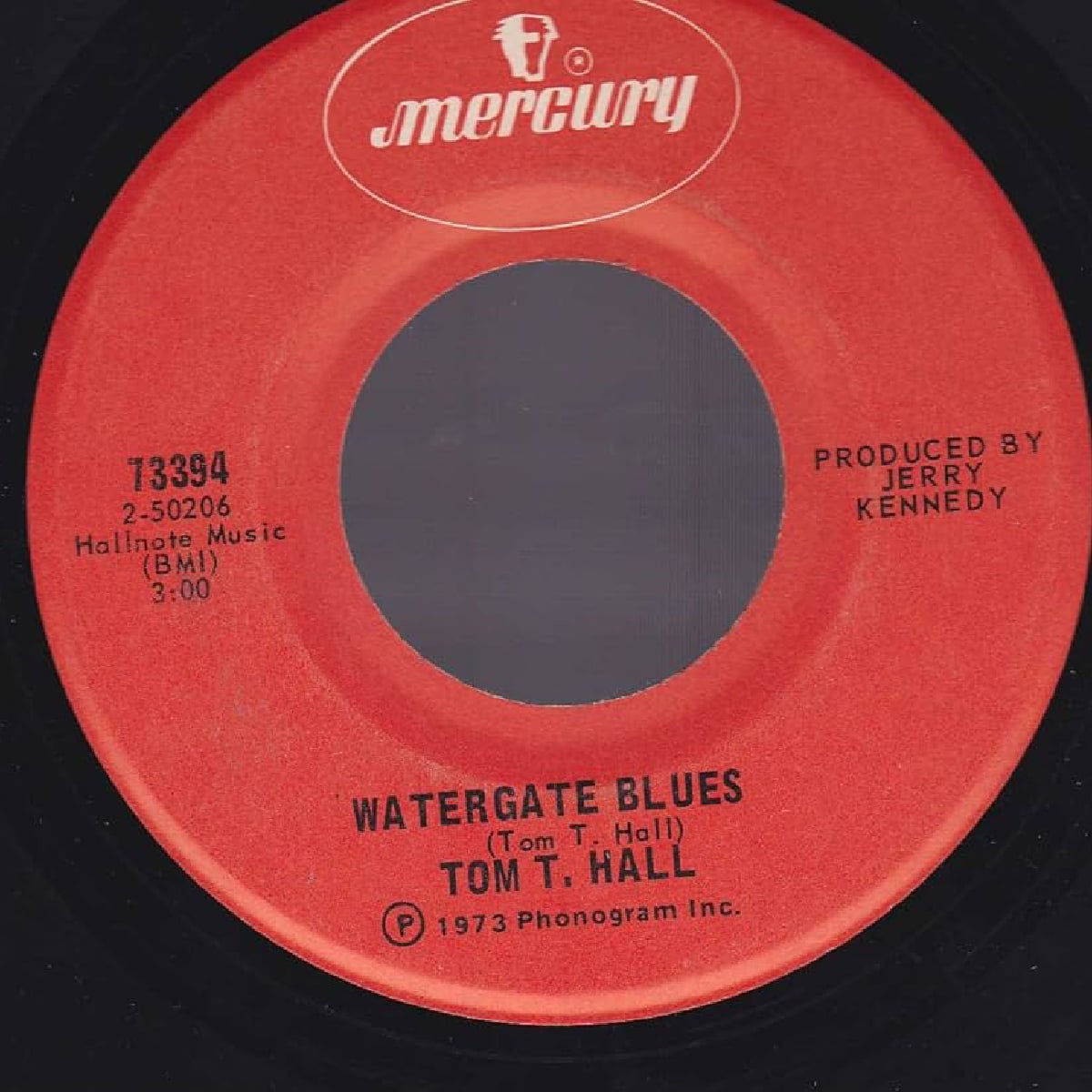
These days, the kind of state surveillance that is at the heart of the Watergate scandal would barely register; just look how quickly the stories about Facebook and Cambridge Analytica went away. Listen to how quiet the protest at a plainly evil surveillance capitalist-technology firm, as Palantir being awarded government contracts in both the USA and UK is, or how quickly it was forgotten that Trump suggested that it was the Elon Musk-owned Starlink computing system that helped get the necessary amount of votes during the 2024 election.
Tom T Hall’s ‘Watergate Blues’ didn’t pussyfoot around the truth or beat around the bush as it laid out a black and white history of what went down during the scandal, singing, “They broke into Watergate and tapped people’s phones / The FBI and CIA would not leave folks alone. The people in the White House were burstin’ with pride, When the votes were all counted, it was a big landslide”.
Sound familiar to anybody?
‘Ohio’ – Crosby, Stills, Nash & Young (1970)<br>
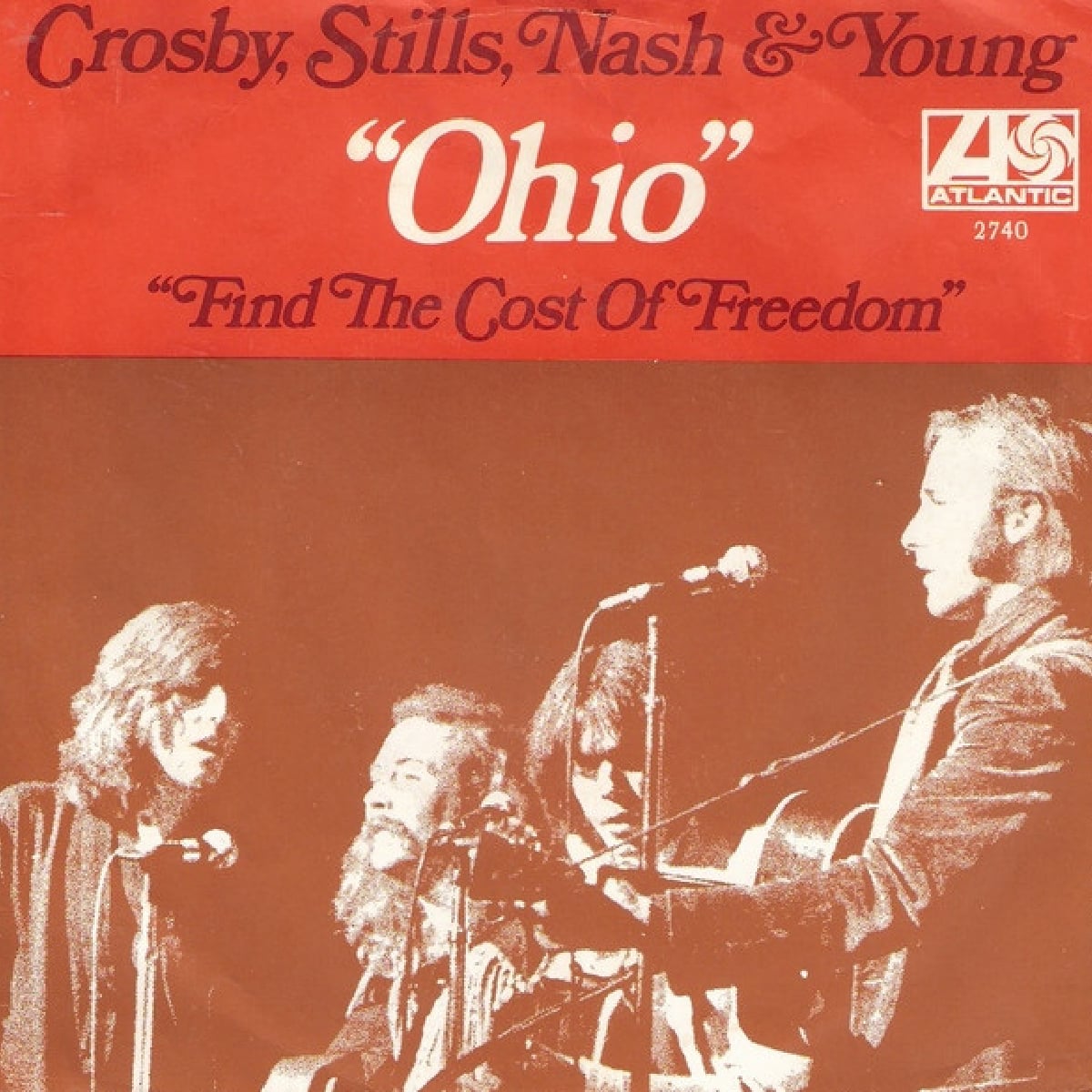
Speaking of songs that don’t pussyfoot around the truth, how’s this for an opening verse?: “Tin soldiers and Nixon coming/ We’re finally on our own/ This summer I hear the drumming/ Four dead in Ohio”.
Neil Young was one of the most vocal critics of the Nixon administration in 1970, as this track, simply titled ‘Ohio’, shows, which was written following the Kent State shooting and slaughter of Vietnam protestors. Even now, he is still leading the fight today against Donald Trump and his Gestapo-style army of ICE agents, who haven’t killed as many as Nixon’s National Guard did but who surely won’t take long to catch up if they are not stopped soon.
